

Growth Gaps, Part 2
Imagine your lawn care or landscaping company sells $1.5 million in new business this year. Your salespeople are working hard, your marketing is generating opportunities, and you're bringing on new customers.
But at the end of the year, you've only grown by $400,000.
What happened?
You also lost $1.1 million in existing customer revenue.
It's easy to focus on how to generate more leads and close more sales. But what if the bigger growth opportunity is keeping more of the customers you've already worked so hard to win?
This is Part 2 of our three-part Growth Gaps series. In Part 1, we explored, "Why Good Leads Don't Become Sales".
In Part 3, we'll explore how existing customers can become a greater source of additional revenue and referrals.

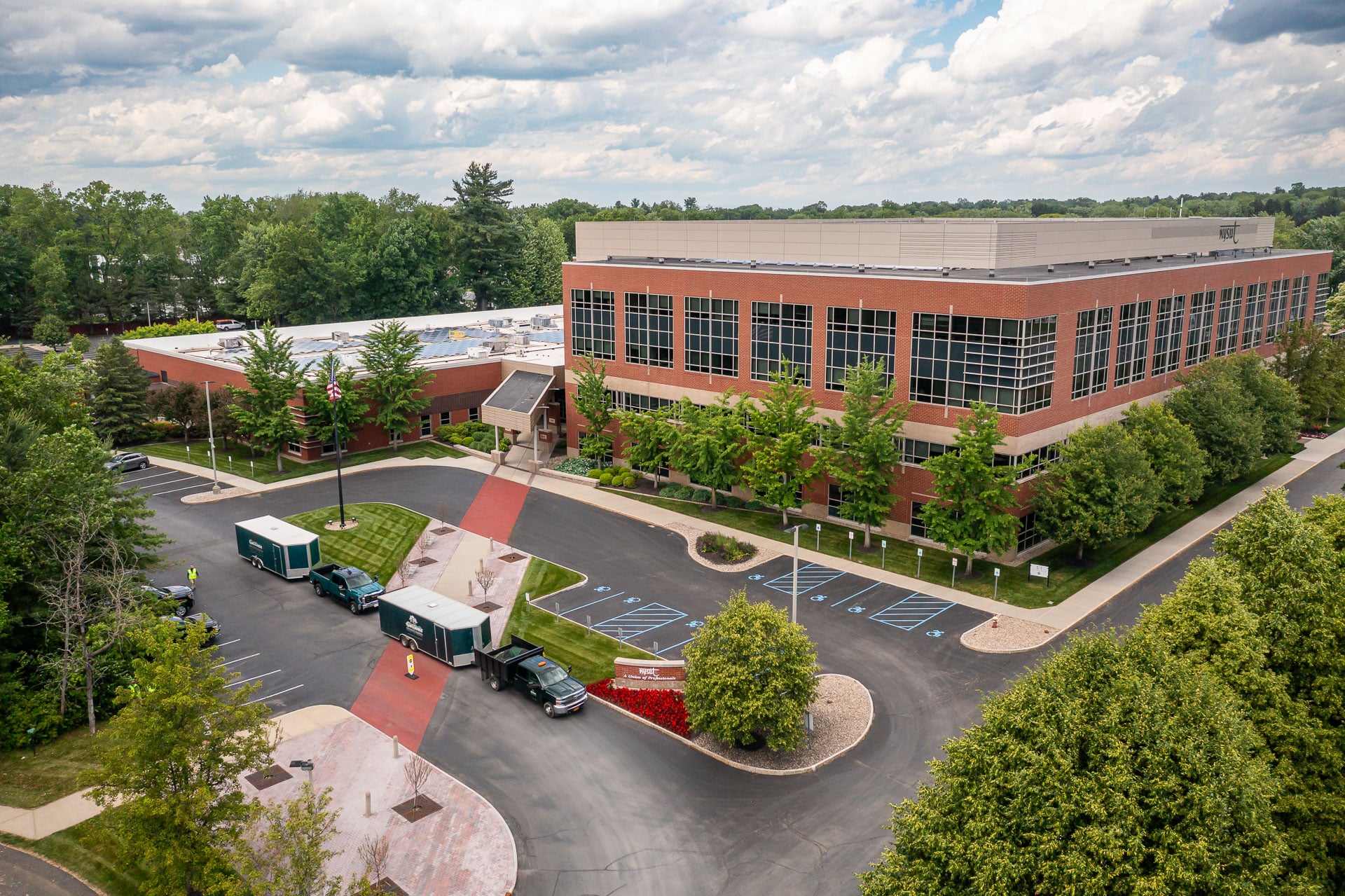
Image Source: Lawn Buddies
Today, we're focusing on customer retention, particularly for recurring services like lawn care, plant health care, and landscape maintenance. And I'm going to give you some practical ideas to improve this.
Having worked in green industry operations, sales, and marketing, I've seen how seemingly small problems can quietly erode customer relationships. And (sadly) I've certainly contributed to some of those problems myself.
Here are six areas worth examining.
1. Are You Setting the Right Expectations Before Work Begins?
Most companies do a pretty good job communicating the scope of work from sales to operations.
But what about the customer's expectations outside of the work order description?
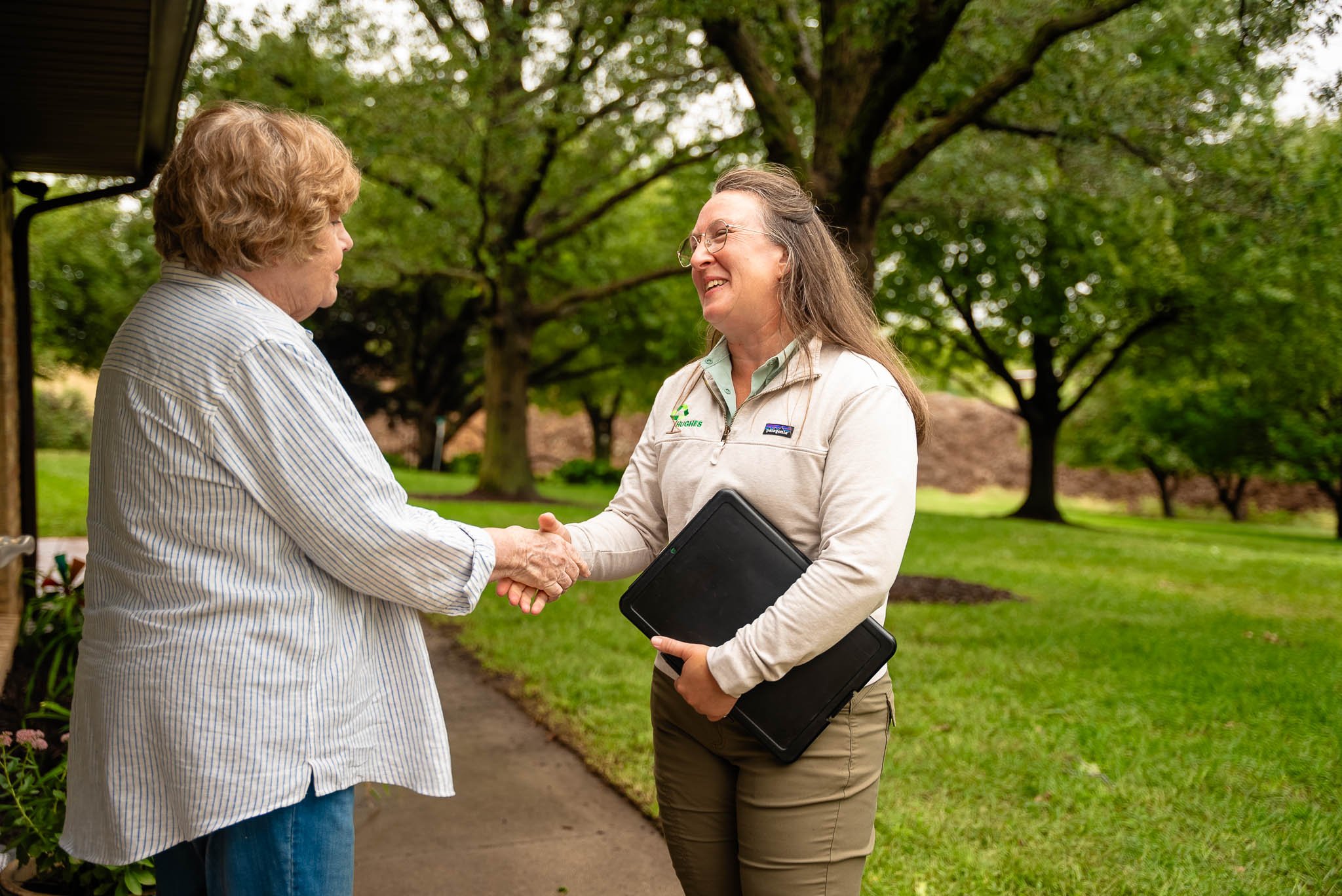
Image Source: Hughes Tree Service
A salesperson might explain that shrub pruning is included in a maintenance agreement. The crew performs the work exactly as specified, but the customer expected the shrubs to be cut back much more aggressively.
Technically, the work was completed correctly. Yet the customer is disappointed.
Sometimes the missing details have nothing to do with the work itself.
- Why did the customer leave their previous provider?
- What frustrated them most about that experience?
- Are there particular preferences or concerns we should know about?
- What expectations have we established about scheduling and communication?
Then there's timelines. You tell someone you're about four to six weeks out, and three weeks later they're wondering why they haven't heard anything.
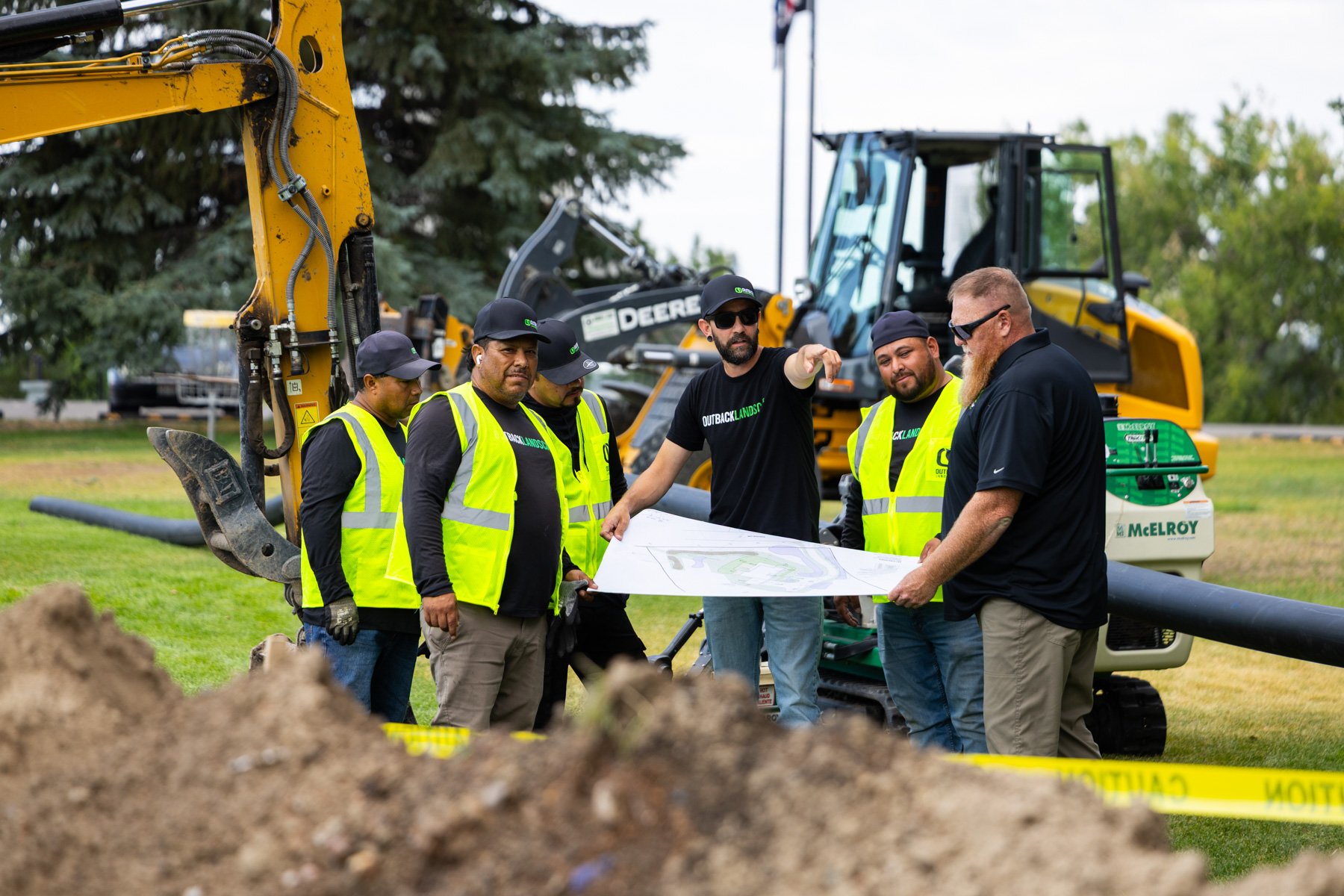
Image Source: Outback Landscape
Then rain delays the schedule, nobody communicates the change, and a perfectly reasonable customer becomes frustrated.
Maybe it's only been 6.5 weeks yet they think mistakenly think you're ignoring them.
A successful handoff transfers an understanding of the customer, not just the job specifications.
2. Are You Educating Customers About What Good Work Looks Like?
Sometimes customers are disappointed because they don't understand how professional work should be performed.
Consider tree pruning.
A homeowner might expect their tree to look dramatically different afterward. But proper pruning isn't necessarily about removing as many branches as possible.
A short video explaining crown cleaning, thinning, and proper pruning practices could help that customer understand what they're purchasing and why.
The same applies to mulch installation. A customer might think thicker mulch is better, without understanding the problems caused by excessive depth. Yet there was no clear communication on the matter.
Customer education needs to happen at all parts of the customer journey.
We've helped clients create videos, illustrated guides, and other educational content that explains these kinds of processes. These resources can be shared before or after service to reinforce expectations.
Videos can also become excellent social media content.
Don't think of educational marketing as something you only create to win the next customer. It can also help you keep the customers you've already won.
When customers understand the expertise behind your work, they're better equipped to recognize its value.
3. Is Customer Experience Part of Everyone's Job?
Each role I've had in the past almost-30 years has broadened my perspective.
When I worked in operations, it was almost as if I had blinders on. I completed the work correctly, within the allotted time, and considered that a win.
But customers don't evaluate their experience exclusively by what's written on a work order.
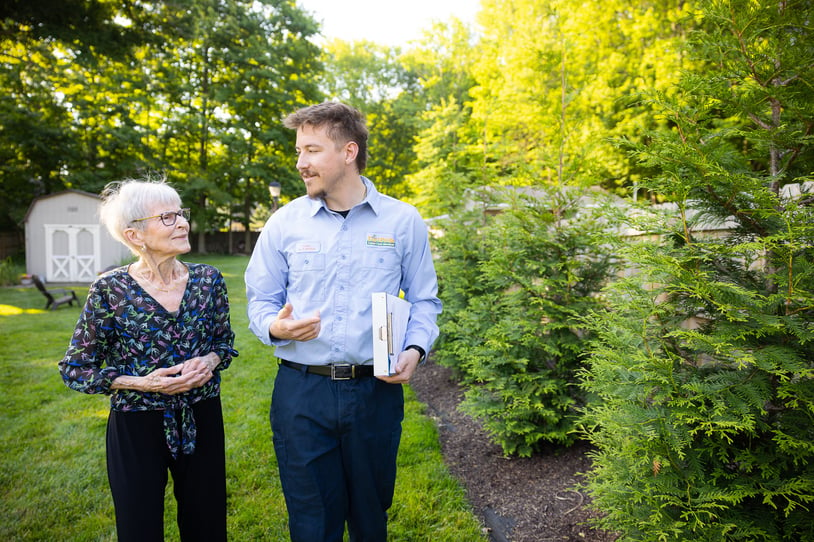
Image Source: Turf Pride Lawn Care
Conversely, I've watched caring contentious team members do little things that made an enormous difference:
-
A lawn technician brings empty trash cans up the driveway.
-
A commercial maintenance crew picks up litter outside its assigned area.
-
A tree crew notices a potential roofing issue while working in the canopy and alerts the homeowner.
None of those things necessarily appear on an invoice.
But they communicate something important: We're looking out for you.
Unfortunately, these behaviors are often left to individual personalities rather than becoming part of company expectations.
What if we deliberately trained, coached, and celebrated these behaviors as much as we did revenue growth?
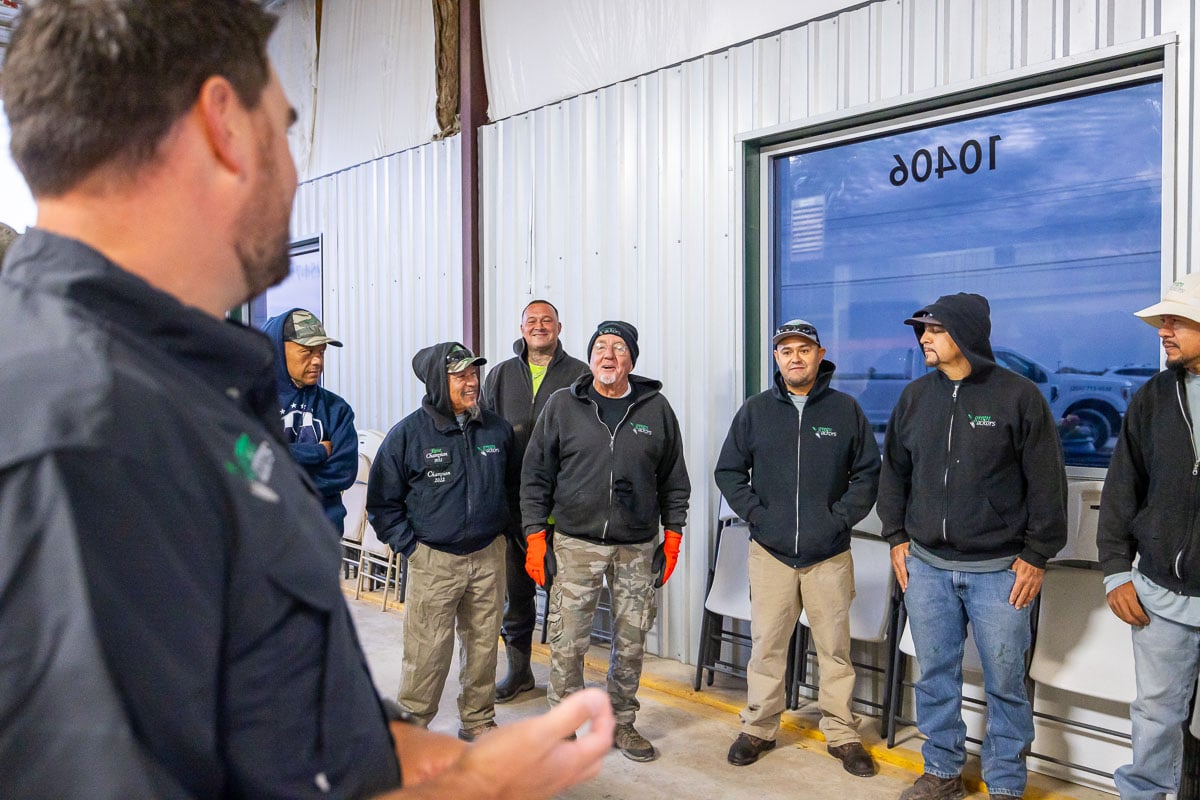
Image Source: Green Ackors Landscaping & Irrigation
Your technicians and crews should understand that smiling at a customer, acknowledging neighbors, communicating concerns, and demonstrating attentiveness are part of delivering excellent service.
Your job isn't finished just because the work order is complete.
4. Are You Making Your Value Visible?
Here's something I've noticed about long-term customer relationships.
When a property is in terrible condition and you begin maintaining it, the improvements are obvious.
The weeds disappear. The shrubs look better. The landscape starts looking like someone actually cares for it.
But two or three years later, that beautiful property becomes the customer's normal.
They may no longer notice all the work required to keep it that way.
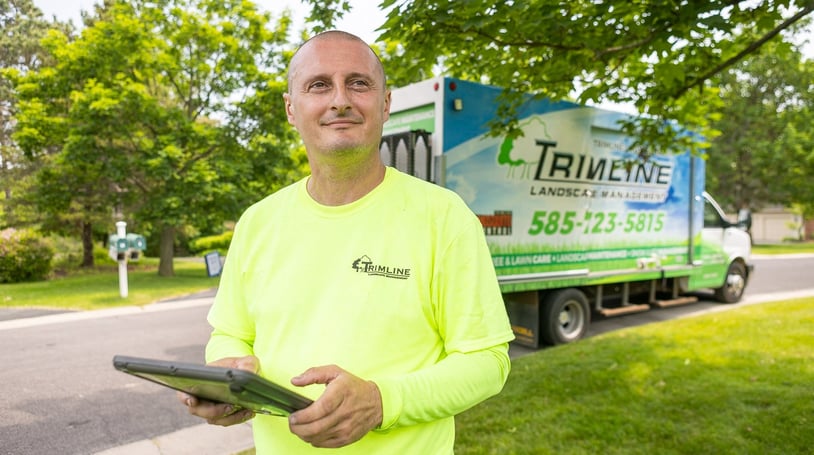
Image Source: Trimline Landscape Management
That's why proactive communication matters.
Imagine a commercial landscape crew discovers a minor issue, corrects it, and moves on. The property manager never knows.
Now imagine the crew photographs the issue and sends a quick update explaining what they found and addressed...oh, and no extra charge for this.
Same work. Very different perception of value.
Plant Health Care provides another great example. Every growing season brings different challenges. Perhaps Japanese beetle pressure was unusually severe, or crape myrtle scale required additional attention.
Your customers may have no idea how you've adapted your approach.
Document those observations throughout the year. Share meaningful updates as they happen, and consider a more formal seasonal or annual property review.
It doesn't need to become an elaborate presentation.
Sometimes a few bullet points and photos are enough to remind customers that you're actively managing their property, not simply repeating last year's work.
5. Are You Finding Problems Before Customers Cancel?
One of the most dangerous assumptions in operations is that no news is good news.
It isn't necessarily.
We've helped clients run customer feedback campaigns that ask people to rate their experience.
Naturally, we love identifying happy customers who might leave positive Google reviews. But I've come to appreciate the customers who give a mediocre score just as much.
They're giving you an opportunity to make things right.
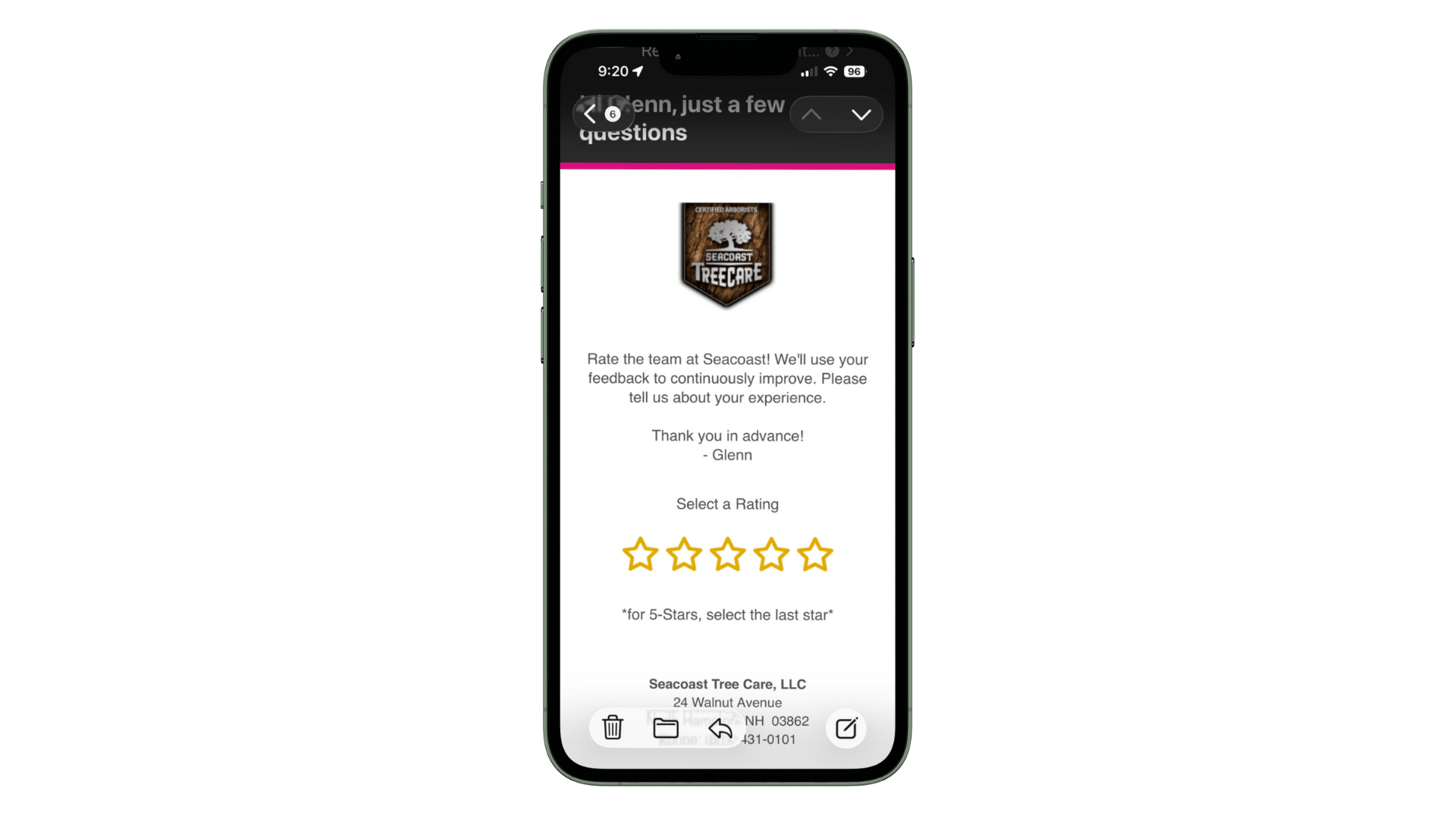
I've seen customers complain about something as simple as technicians repeatedly hanging invoices on a front door they never use. That's an incredibly easy problem to solve. Add a note to the account and use the side door instead.
Other times it's a struggling shrub, a missed area of lawn treatment, or a small scheduling frustration.
When companies respond with genuine concern and promptly resolve those issues, they can actually strengthen the relationship.
Consider making proactive feedback part of your normal operations:
- Send brief satisfaction surveys at strategic intervals.
- Have an administrative team member call a few customers each day.
- Ask specific, open-ended questions rather than simply, "Are you happy?"
- Follow up personally when feedback suggests something isn't right.
And use that feedback to improve your processes, not just resolve individual complaints.
Sometimes one customer's suggestion reveals a small operational improvement that could benefit hundreds of others.
6. What Actually Happens When Someone Wants to Cancel?
I've been in offices and overheard conversations that made me cringe.
A customer calls to cancel their service...

The CSR cheerfully responds, "Okay, no problem!"
And that's it.
I don't blame the CSR. They're probably busy, and nobody has taught them what to do differently.
But consider what it took to acquire that customer in the first place.
Marketing. Sales conversations. Estimates. Follow-up. Onboarding.
And now the relationship ends in 30 seconds?
Green industry companies need a deliberate cancellation process.
That includes training employees to:
-
Ask thoughtful questions
-
Show genuine empathy
-
Explore reasonable alternatives
-
Understand when to involve a manager
Sometimes a customer doesn't need to cancel their entire maintenance program. They need a different service frequency or a modified scope that fits their budget.
I've also seen companies designate someone to follow up on cancellations that the initial representative couldn't save. In one organization where I worked, that person was even incentivized for recovering lost accounts.

Image Source: Kingstowne Lawn & Landscape
Not every customer can or should be saved. But a cancellation should trigger a meaningful conversation, not simply an administrative transaction.
And don't overlook cancellations that arrive through email or unsigned renewal agreements. Those deserve attention, too. Call those cancels multiple times and try to start a conversation.
Your goal isn't to beg them to give you another shot. It's to show you care about their experience.
Stop Measuring Only What You Lose. Start Measuring Why.
Sophisticated lawn care, landscaping, and tree service companies generally understand the importance of tracking customer retention.
Knowing that you lost 12% or 15% of your customers doesn't tell you enough.
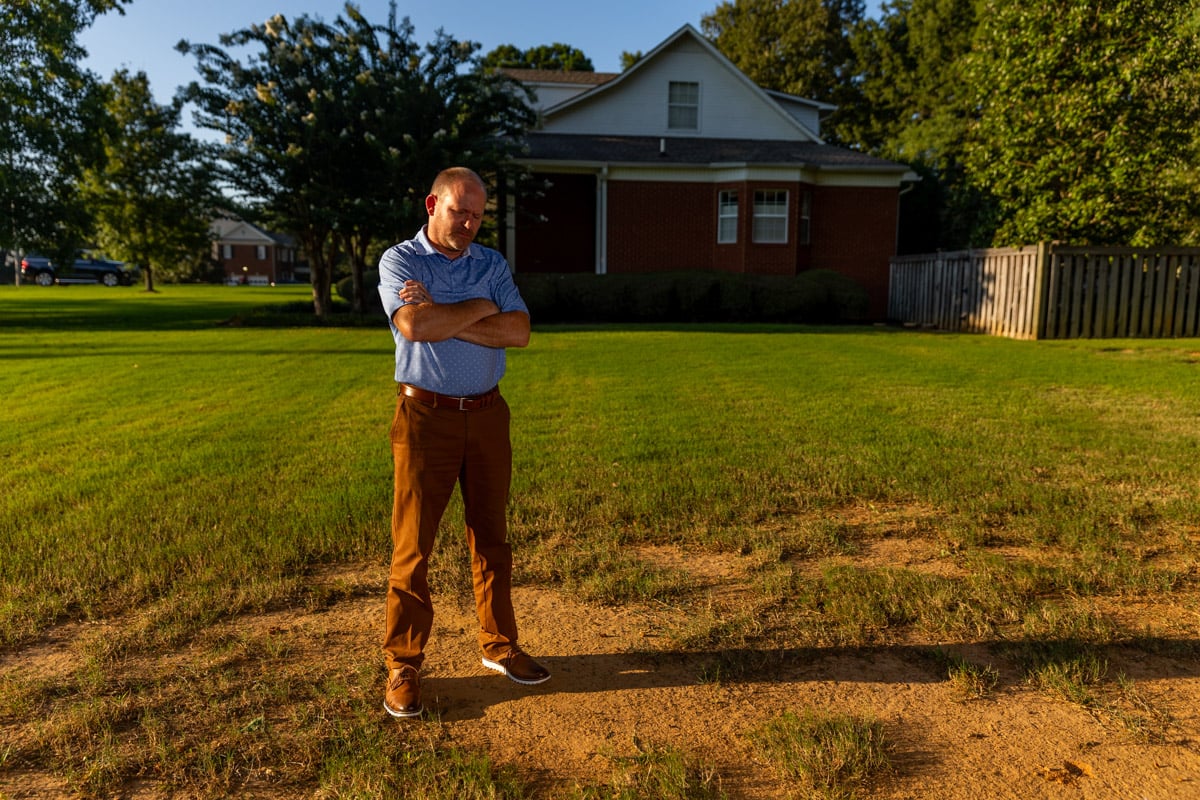
Image Source: Lawn & Pest Solutions
What caused those cancellations?
Were they preventable? How quickly did someone respond? Did anyone attempt to recover the relationship?
And are you measuring the activities that influence retention before customers reach the point of cancellation?
I'd encourage leadership to examine a few specific things:
- Cancellation reasons: Use consistent categories that reveal meaningful trends.
- Preventable vs. unavoidable losses: A customer moving out of your service area is different from someone leaving because of poor service.
- Cancellation recovery: How many customers did you contact, and how many relationships were saved?
- Proactive customer contact: Are quality checks, surveys, and personal conversations actually happening during the customer's journey with you?
- Coaching and accountability: Are you reviewing these interactions and learning from employees who handle them particularly well?
Don't wait until the end of the year to discover that something stopped happening six months ago.
Don't assume the customer experience you designed is the experience customers are actually receiving.
Retention Is Everyone's Responsibility
I know how much pressure there is to keep crews productive, hit sales goals, and manage the countless details of running a lawn care or landscaping company.

Image Source: KD Landscape
Most people are genuinely trying to do a good job.
I think we need to broaden what doing a good job actually means.
-
Salespeople need to make customers feel understood, not just get contracts signed.
-
Operations teams need to make customers feel valued, not just complete work orders.
-
Leadership needs to create the training, systems, and culture that make those behaviors consistent.
When customers leave unnecessarily, everyone has to work harder to replace them.
Before investing even more to acquire new customers, take a serious look at what you're doing to keep the ones you've already earned.
In Part 3 of Growth Gaps, we'll explore the next opportunity: how stronger relationships with existing customers can generate additional sales, reviews, and referrals.
Do you love conversations like these? Consider joining 5,000+ of your green industry peers and subscribe to our blog.
And if you're ready to create a proactive, comprehensive growth strategy that delights customers at all parts of their journey, reach out to us to request a consultation.