
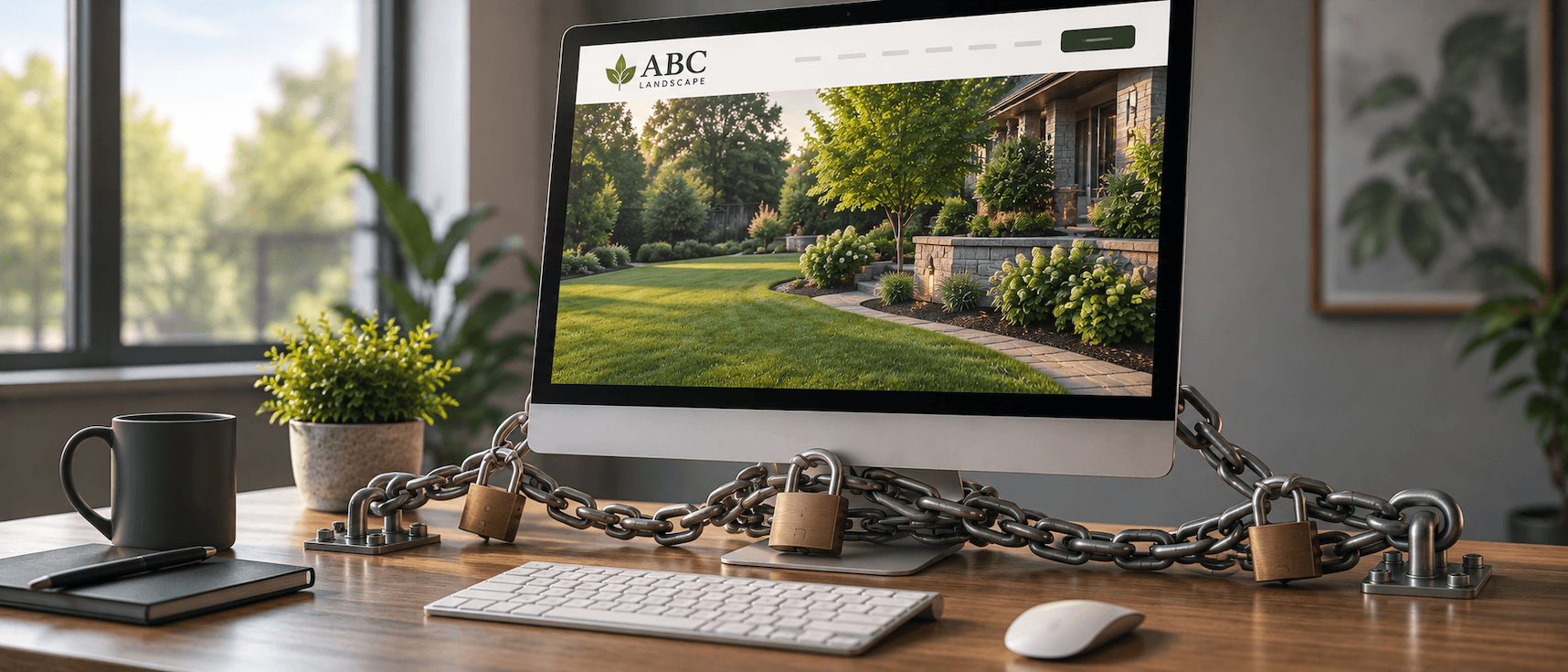
You can hire an agency to build your website. But at the end of the project, what do you actually OWN?
That question is more important than it might seem.
I regularly evaluate websites for lawn care, landscaping, tree service, and pest control companies. I see companies that have invested tens of thousands of dollars into websites that all look strangely similar.
Others have hundreds of pages created in the name of SEO that provide little value.
Some have impressive teams and beautiful work, but you'd never know it from looking at their website.
And some discover that the website isn't really theirs to take somewhere else.
For this episode of the Landscape Leadership® Podcast, I invited our Digital Project Manager, Kaitlin Funke, to join me for a behind-the-scenes conversation about what actually goes into building a great green industry website.
In addition to working at a large digital marketing agency in the past, Kaitlin has managed our website projects at Landscape Leadership® for more than four years.
Once I’ve worked through the strategy with a client, she’s responsible for turning that strategy into a finished website.
And there are a lot of moving pieces.
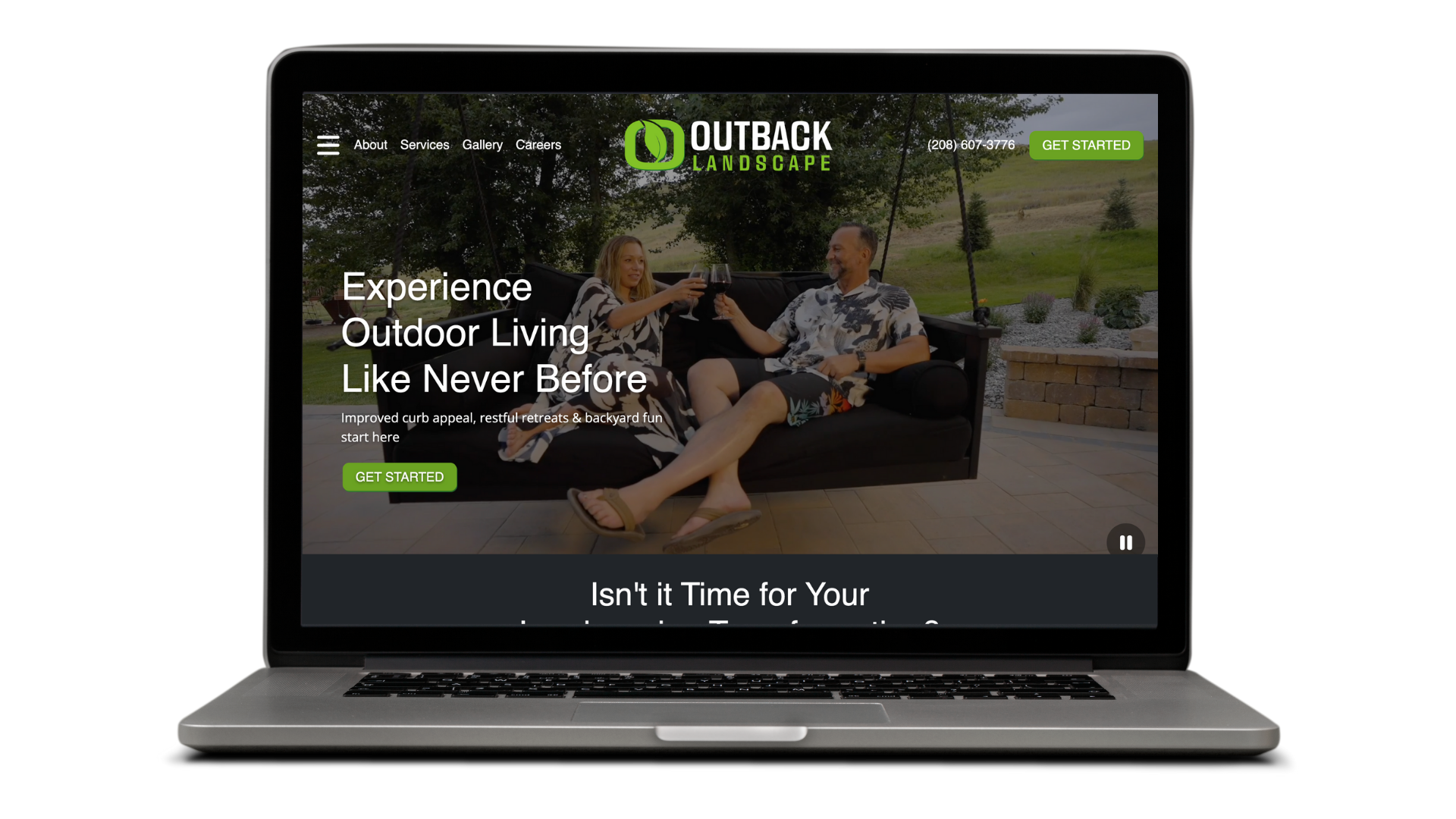
Image Source: Outback Landscape
Kaitlin coordinates our team: copywriters, designers, developers, SEO, the photo and video teams, and the client themselves. She’s keeping track of messaging strategy, site structure, dozens of pages of copy, designs, visuals, technical requirements, client feedback, QA, and ultimately the launch.
(We appreciate you, Kaitlin!)
That gives her a unique perspective on not only what makes a great website, but what makes a website project go well.
Our conversation came back to three kinds of ownership every green industry company should think about.
1. Own Your Visuals
One of the most common problems I encounter isn't necessarily an ugly website.
It's a faceless website, devoid of character and personality.
A company might have 150 enthusiastic team members and customers who love working with them. Then you visit their website and see none of it.
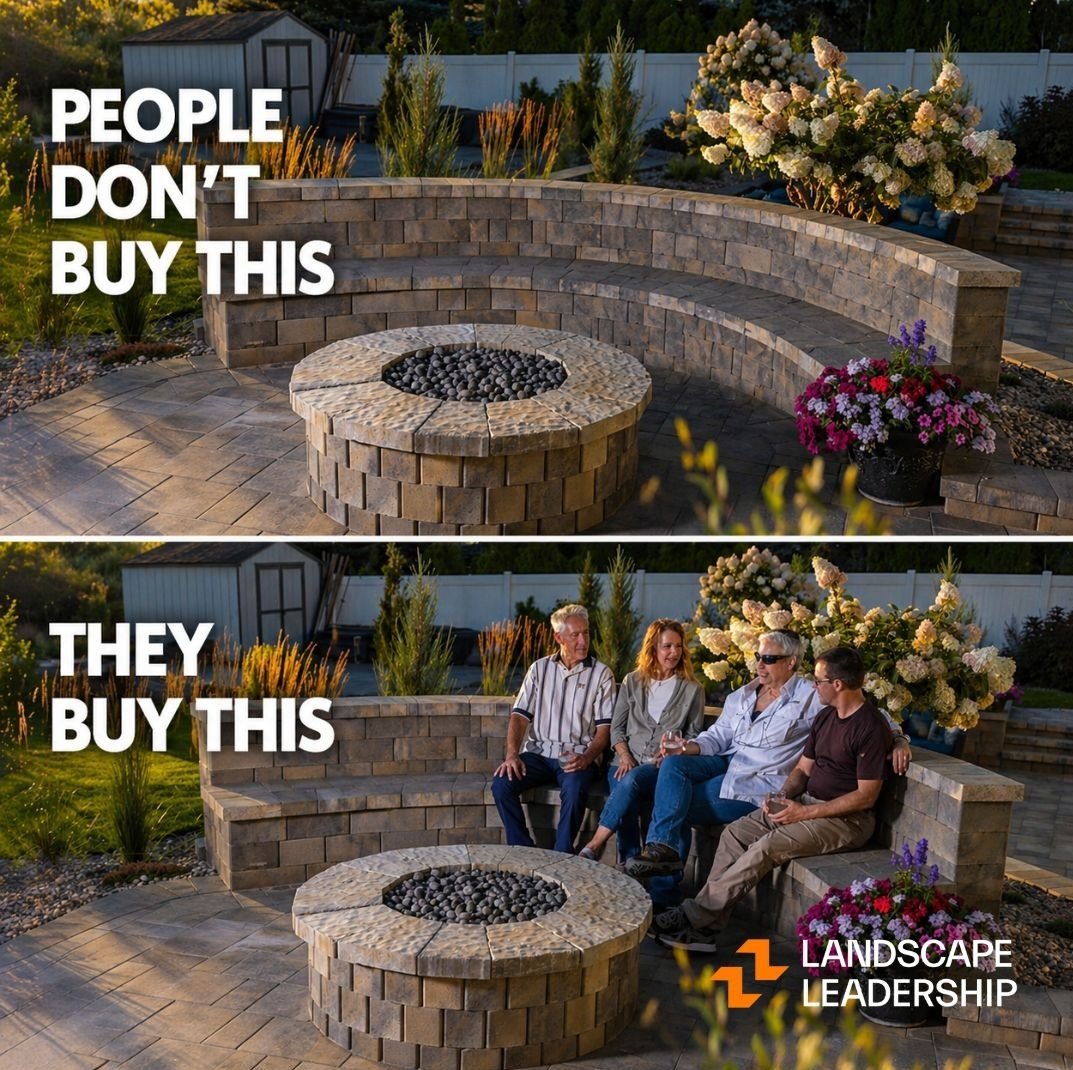
Sometimes they have hundreds or even thousands of photos, but they're almost entirely finished-project pictures. Beautiful patios. Nice lawns. Healthy trees. Before-and-afters.
Those images are valuable, but they don't tell the whole story.
As Kaitlin explained, " You can have a great brand, great messaging, but if the visuals aren't there, you're going to lose people right from the homepage.”
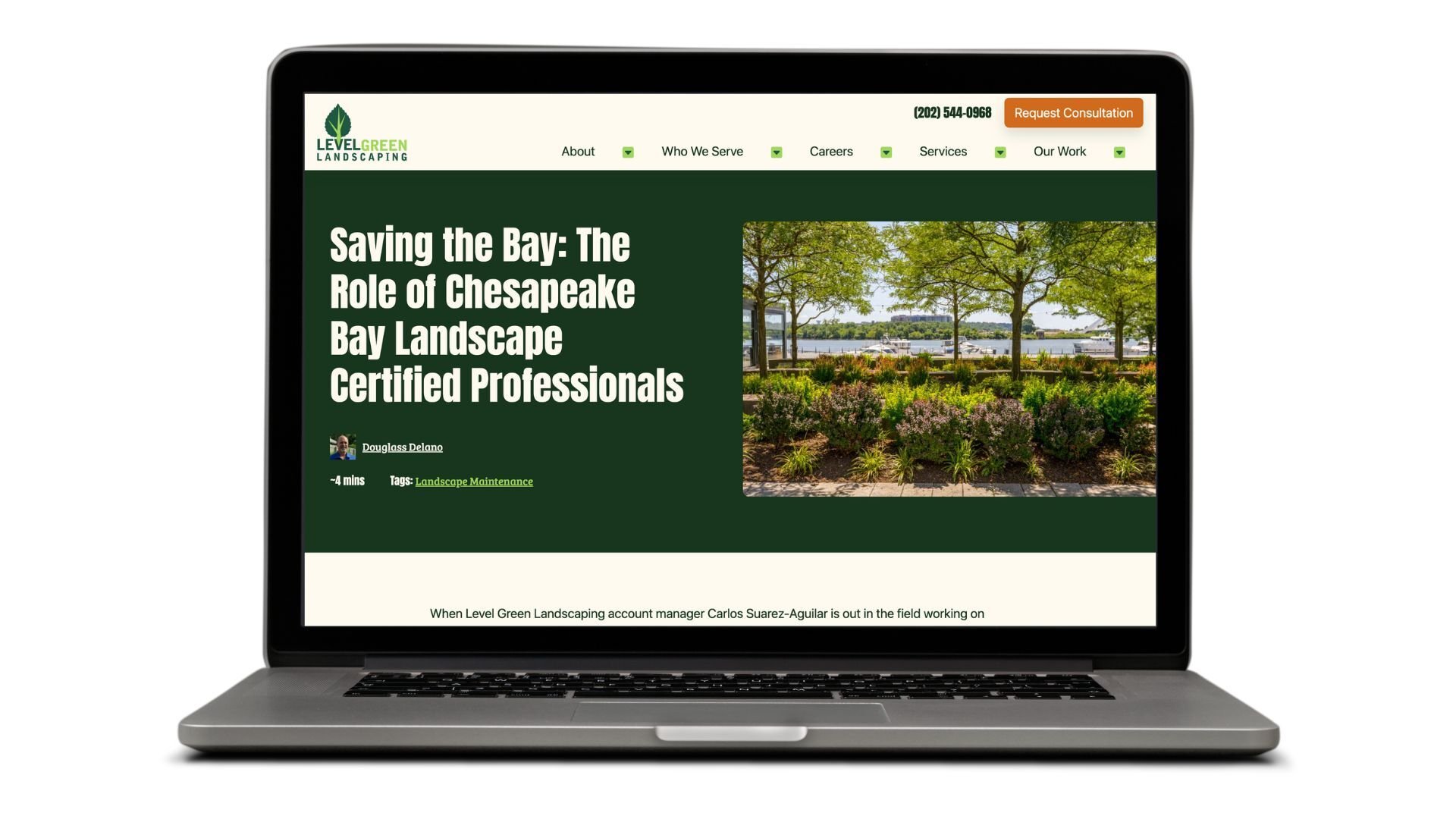
People want to see the people they'll actually be doing business with.
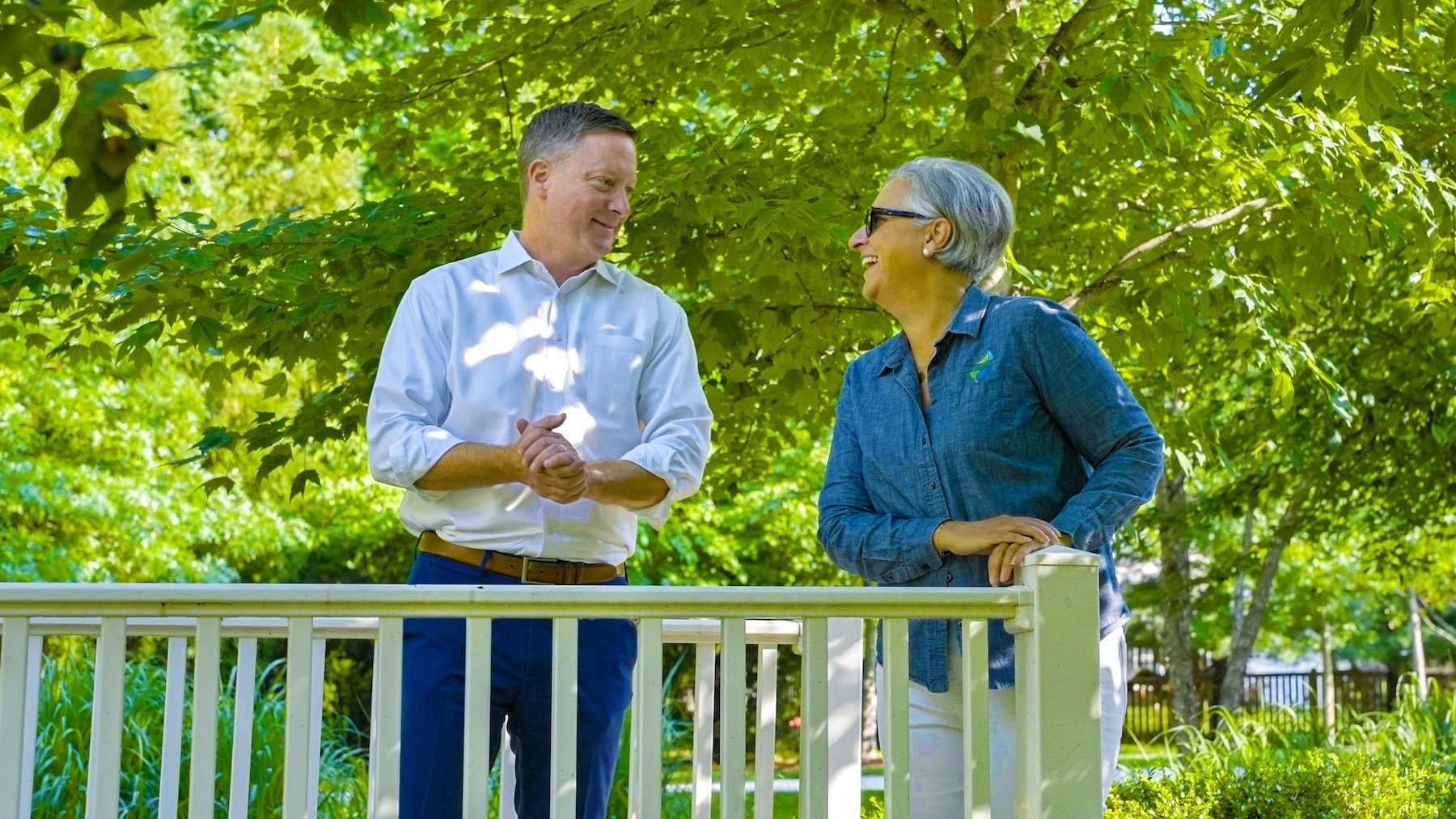 Image Source: Level Green Landscaping
Prospective employees want to picture themselves working for you.
Customers want to see your crews, your process, and what it looks like to work with your company.
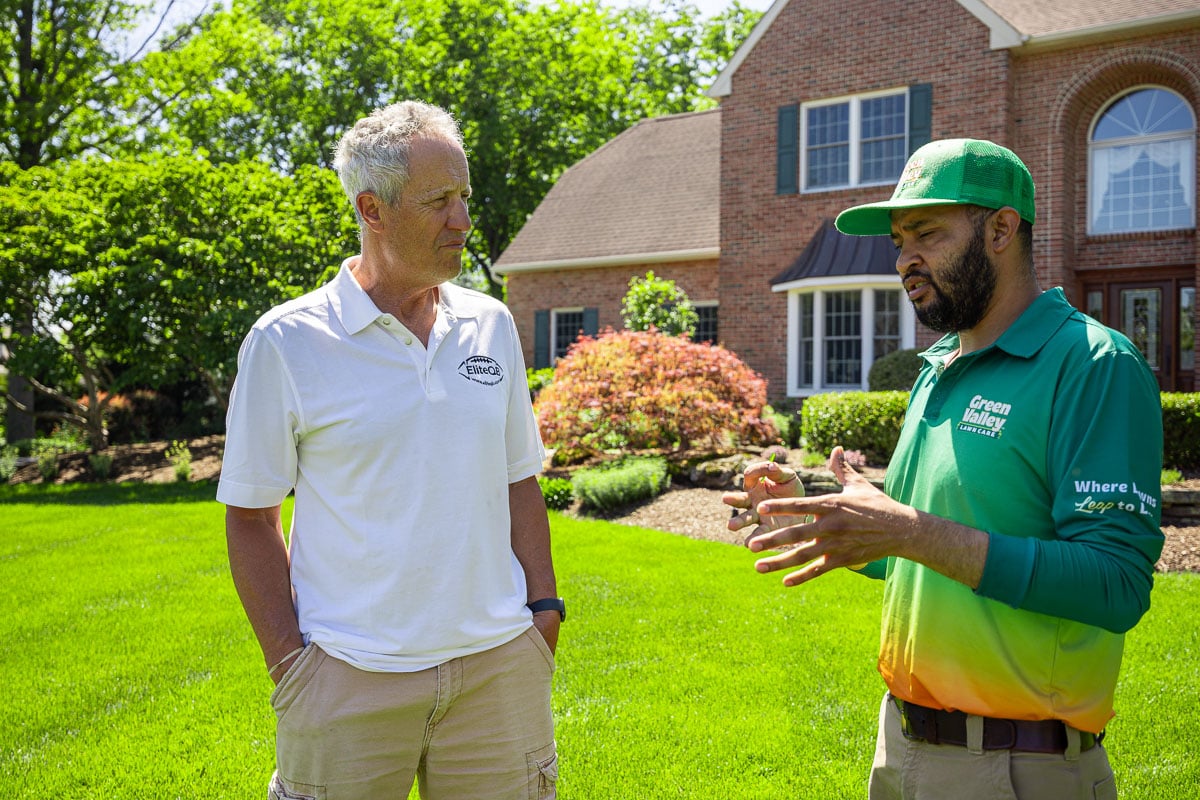
Image Source: Green Valley Lawn Care
That's why professional photography and video shouldn't be an afterthought during a website project.
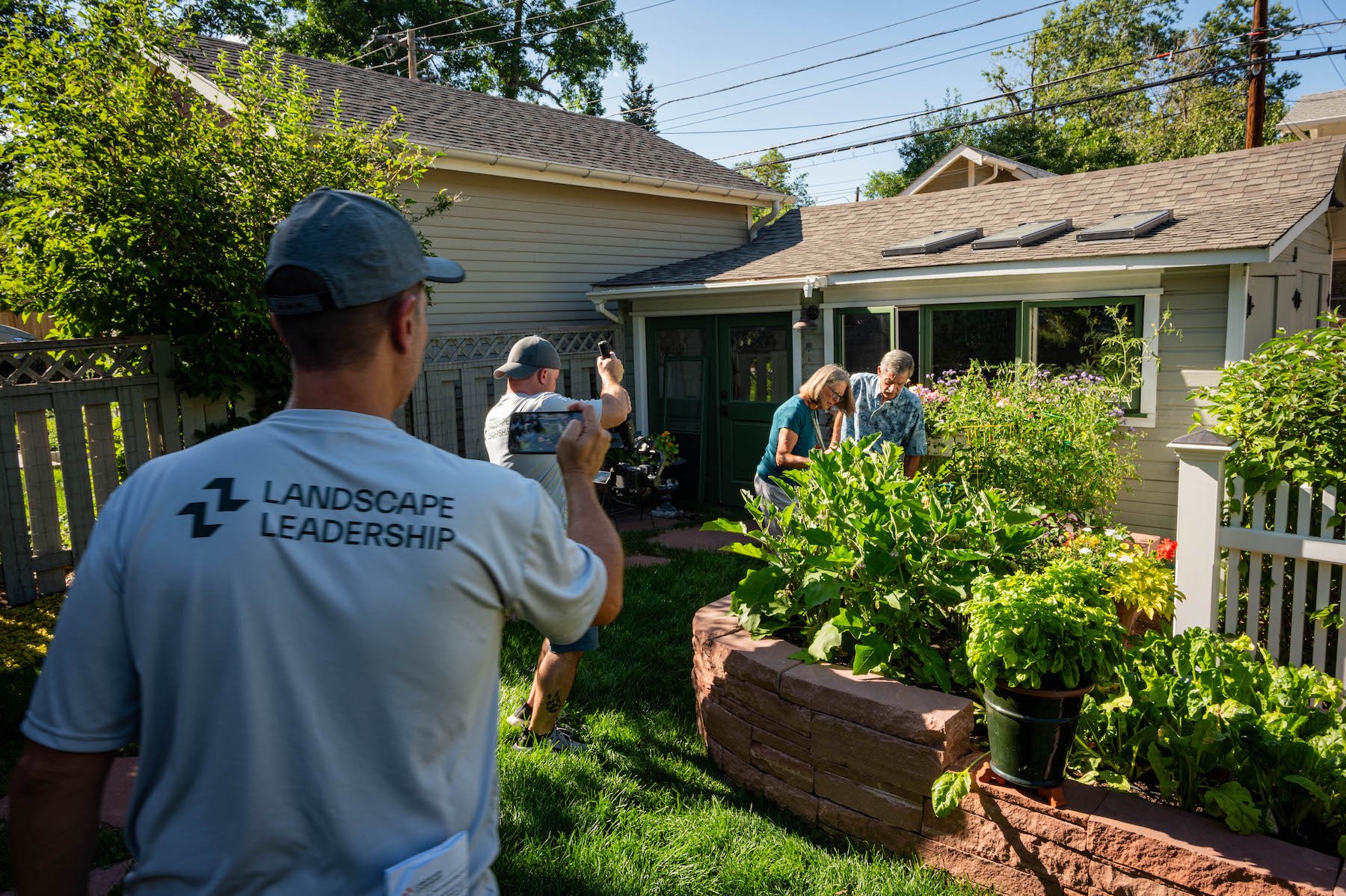
Kaitlin shared a simple example. "If we're creating an irrigation page but don't have a single photo showing an irrigation system or installation, we're immediately limited. When we know what the website needs before the shoot, our team can intentionally capture those assets."
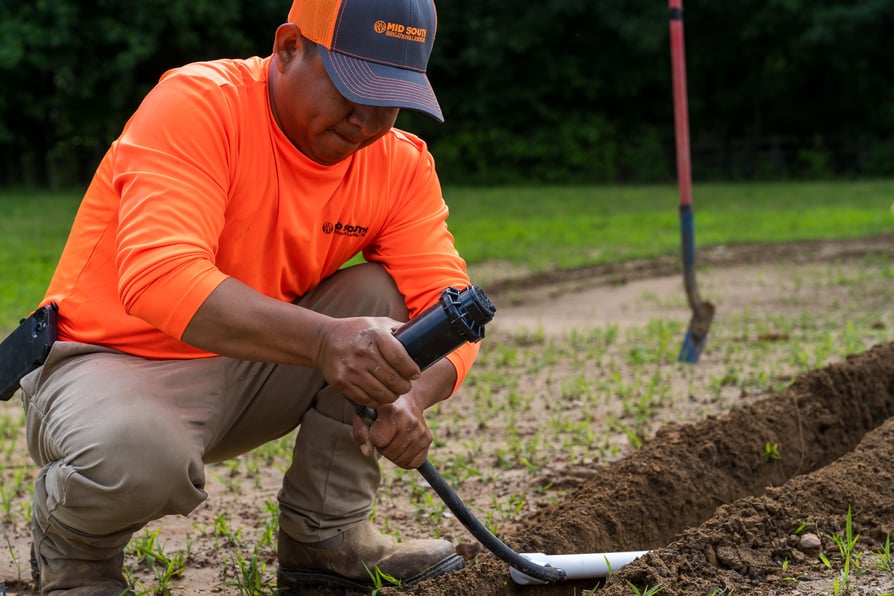
Image Source: Mid-South Irrigation & Landscape
And here's the bigger point...You're not just shooting prettier pictures and videos for your website. You're building an asset library.
Those photos and videos can be used for years across social media, paid advertising, email, recruiting, sales materials, and future campaigns.
Make sure they're great. And make sure you own them.
2. Own Your Website
This one sounds obvious.
You paid someone to build your website. Of course you own it.
Right?
Unfortunately, not always.
Just recently, we talked with a $50M landscape company that wanted to leave its marketing agency. There was just one problem: its website had been built on the agency's proprietary platform.
The company couldn't simply take the website somewhere else. The agency could provide a scrape of the content, but not a functioning website that could be moved to another platform.
They were essentially forced to start over.
Now, there's an important distinction here. A new agency may recommend rebuilding your website anyway. We frequently do.
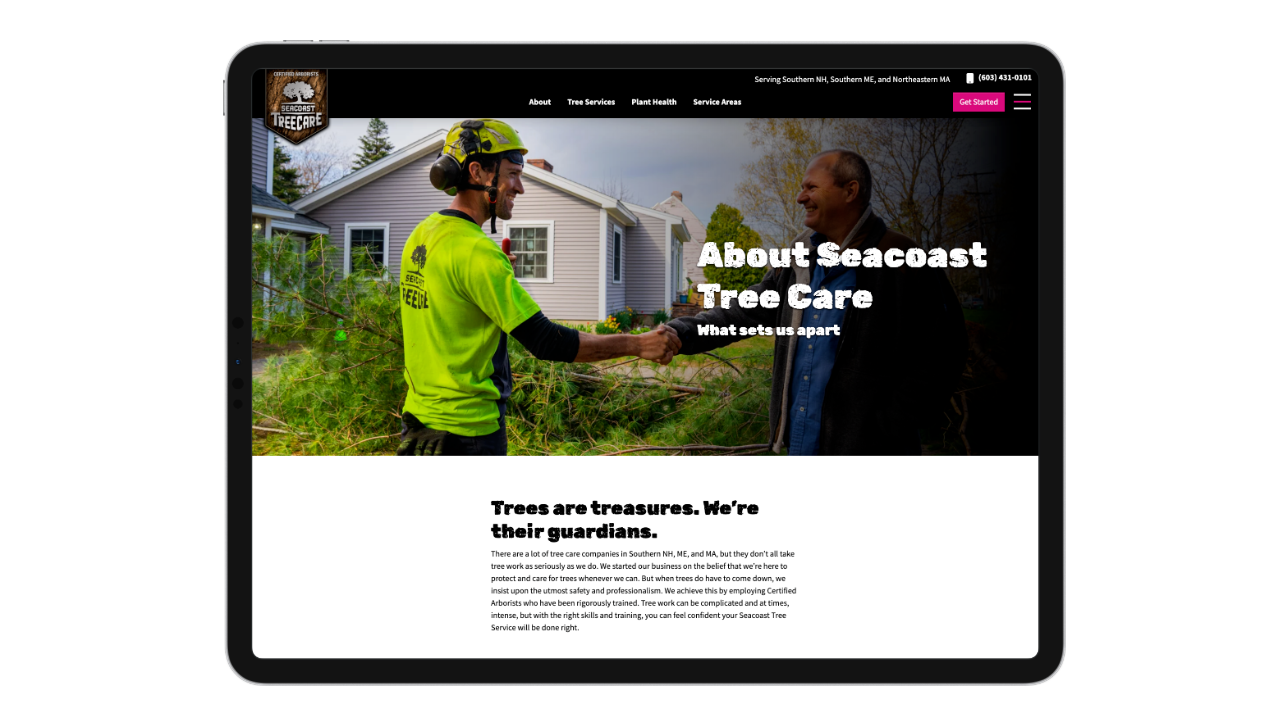
Image Source: Seacoast Tree Care
But that should be because your website no longer meets your needs, not because your previous agency is holding the keys.
Ownership also means having something that's practical to manage.
We build custom websites because every company is different. Your customers, services, markets, sales process, brand, messaging, SEO opportunities, and business goals aren't identical to the landscape company two states away.
Yet custom doesn't need to mean complicated.
Kaitlin explained that we build custom HubSpot websites using reusable modules that create consistency throughout the site while still making it relatively simple to update.
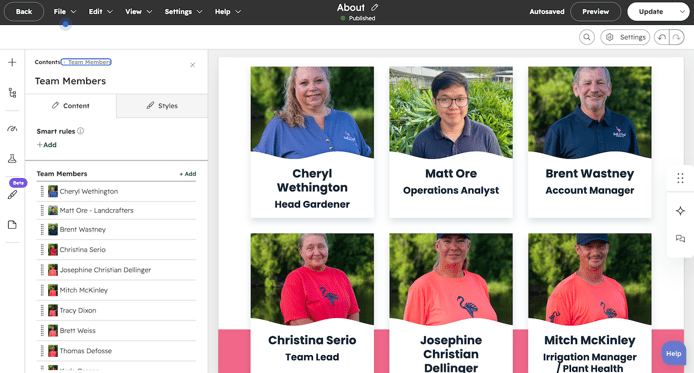
Image Source: Salt & Soil Garden Co.
"It looks custom, but the way it's built on the back end is very user-friendly.”
That means something as simple as changing a team member, updating a statistic, or making other routine edits doesn't need to become an expensive development project.
And if you decide that Landscape Leadership® isn't your best option later, there are 6k+ HubSpot partners that dig right into your website and help you.
We even train clients who want to make these changes themselves. This is pretty common for larger companies that slowly build an internal marketingteam.
There's another kind of unnecessary complexity I see all the time: website bloat.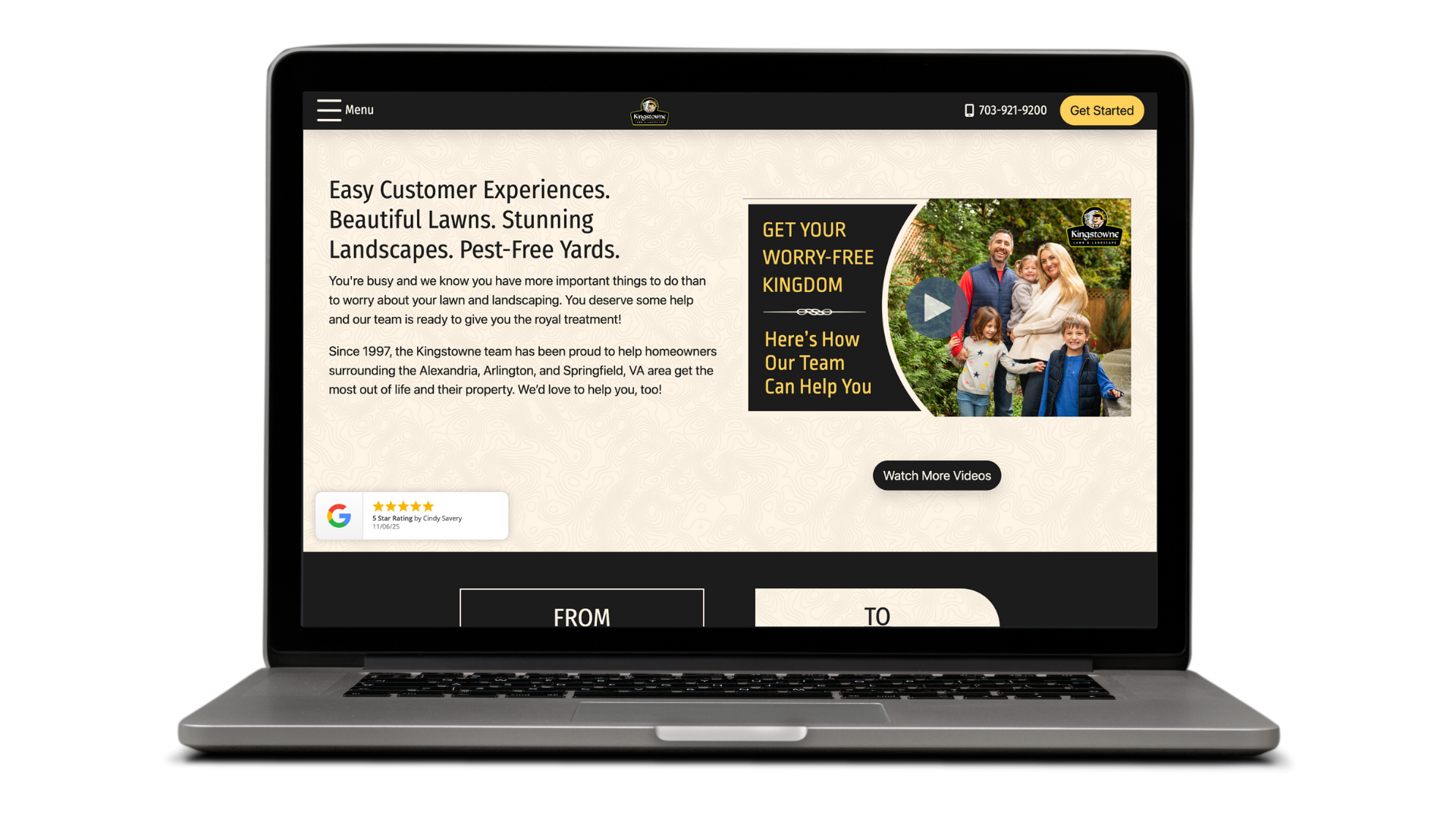 Image Source: Kingstowne Lawn & Landscape
Some green industry websites have hundreds of nearly identical city or service pages created in an attempt to rank in search results. We've seen pages where essentially the same content is repeated with little more than the city name or the words "residential" and "commercial" swapped out.
More pages don't automatically make a better website.
We'd rather see you invest in useful service pages, helpful articles, videos, and other resources that can rank organically, educate prospective customers, and support your sales process for years.
Think about what you're actually building.
Paid advertising can generate leads, but when you stop paying, the ads stop.
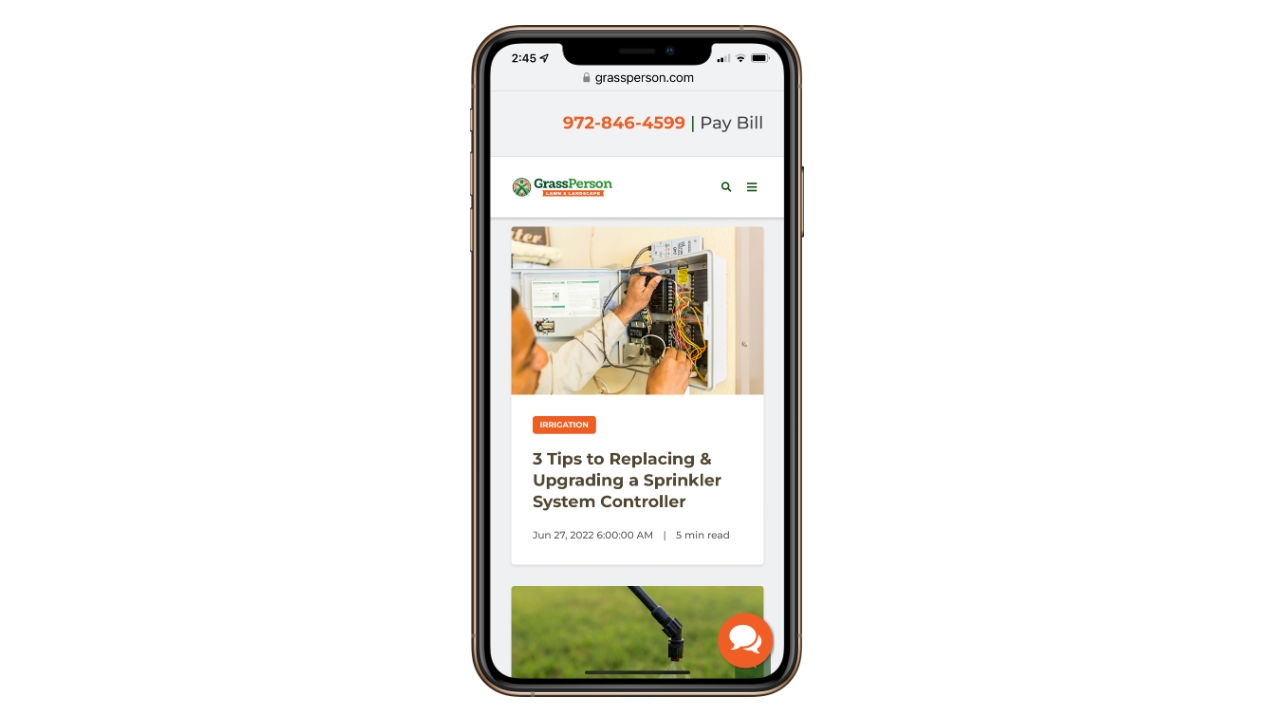 Image Source: Grassperson Lawn & Landscape
Your website, photography, videos, and useful content are different. They're assets your company can continue using and benefiting from.
And if you decide to change agencies someday, all of this should still belong to you.
3. Own Your Role in Creating Your Green Industry Website
This third kind of ownership is different.
You should expect your marketing agency to own its part of the project.
-
They should develop the strategy.
-
They should understand SEO.
-
They should write the copy.
-
They should design the pages, manage development, and handle the technical details.
But they can't know your company as well as you do.
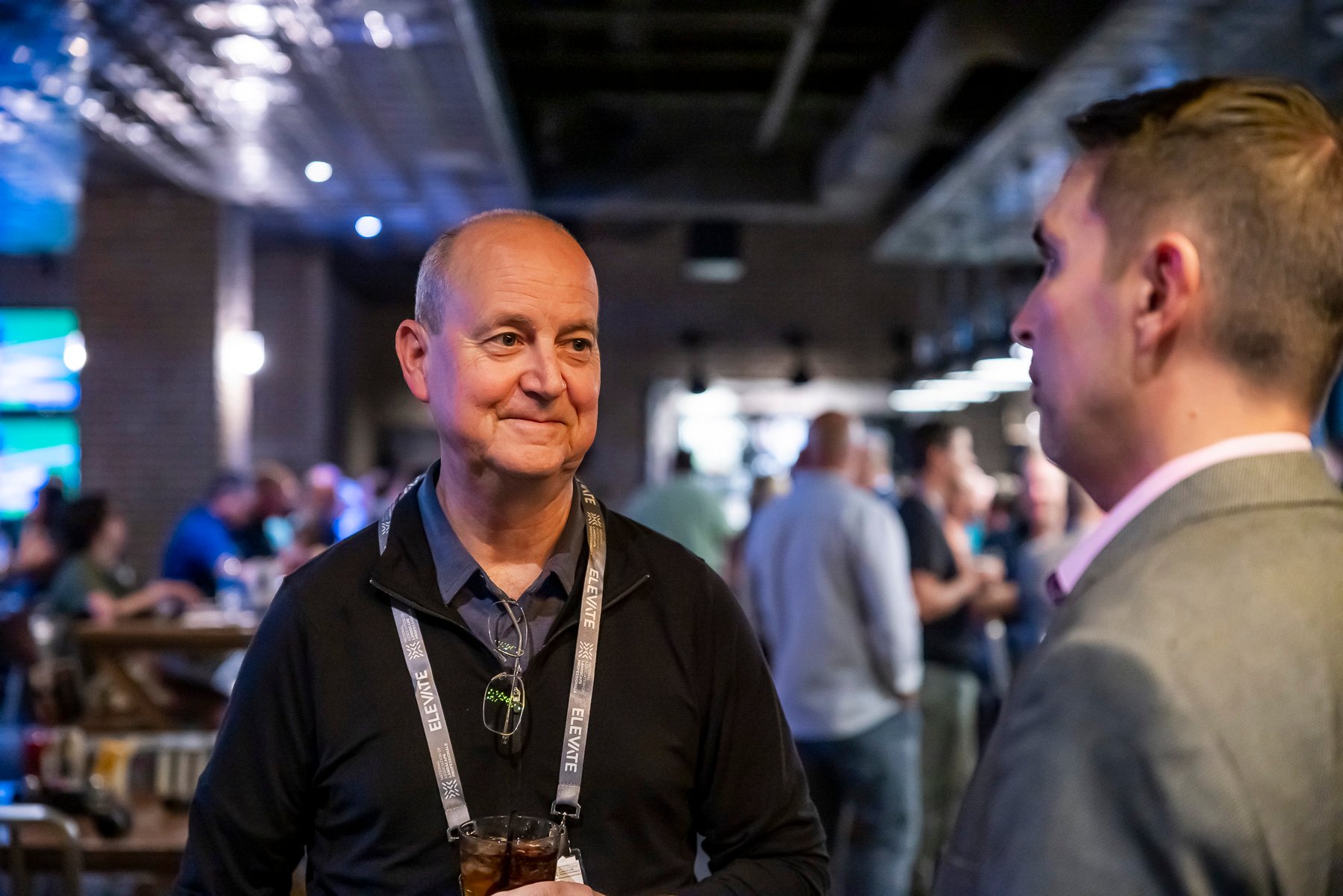
Even if they're green industry natives, there are nuances to how you deliver a service, what your customers care about, how your sales process works, and what makes your company different.
If you don't communicate those things, even a talented agency is going to fill in the blanks.
That's why a great website project requires collaboration.
Kaitlin has seen firsthand what separates projects that move smoothly from those that struggle.
Great client partners are:
-
Responsive
-
Have a clear decision-maker
-
Provide consolidated feedback
-
Trust the specialists they've hired
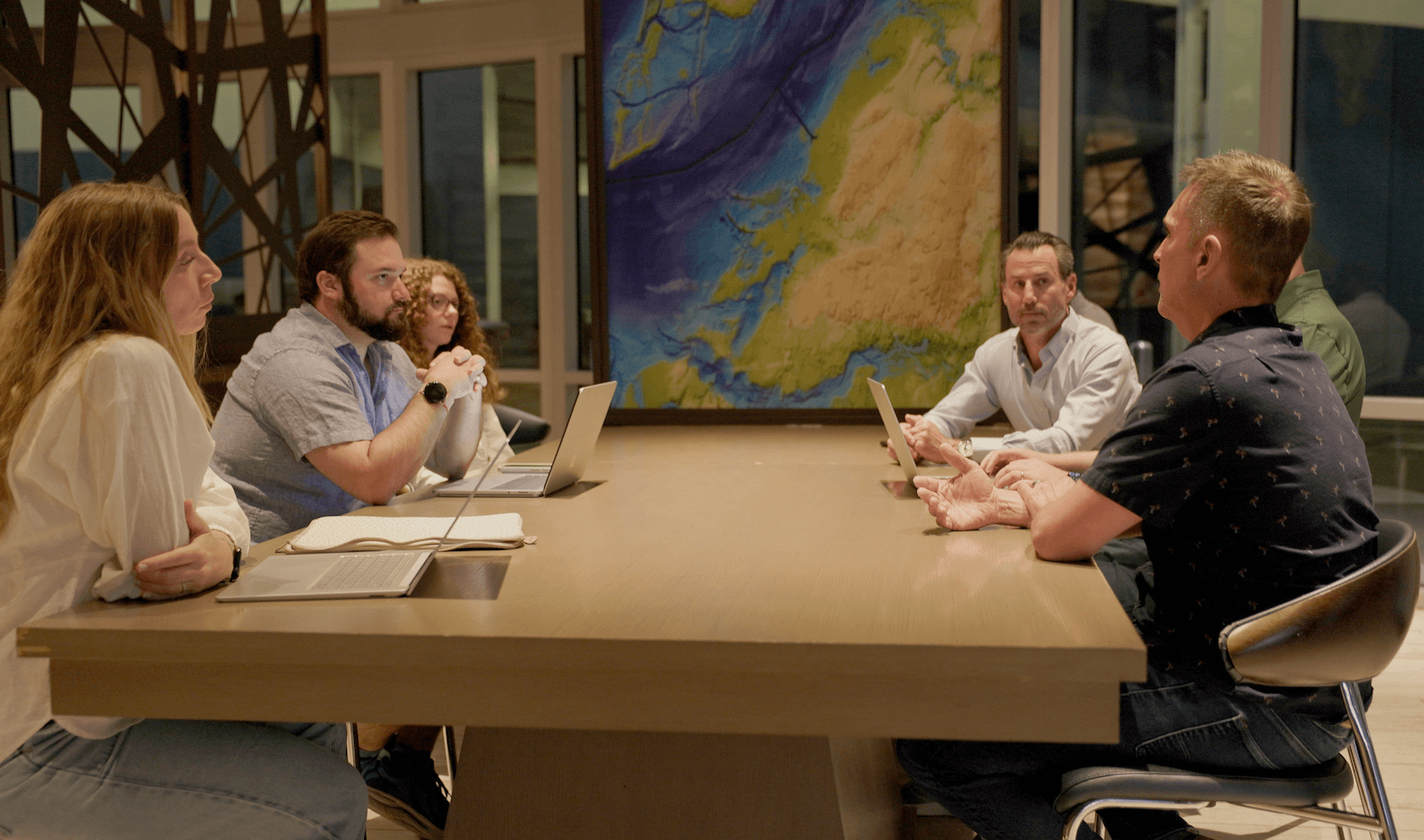
Constructive, specific feedback is particularly important.
"It's just not doing it for me" isn't very useful.
What don't you like? Why doesn't it feel right? Is something inaccurate? Does it misrepresent your customer? Is there a legitimate business reason behind the concern?
Specific feedback gives your agency something it can actually use.
And it needs to be timely.
Website projects have dependencies. If 10 or 15 pages of copy sit waiting for feedback for several weeks, everything that comes afterward gets pushed back too. You can't disappear for three weeks and still expect the original launch date.
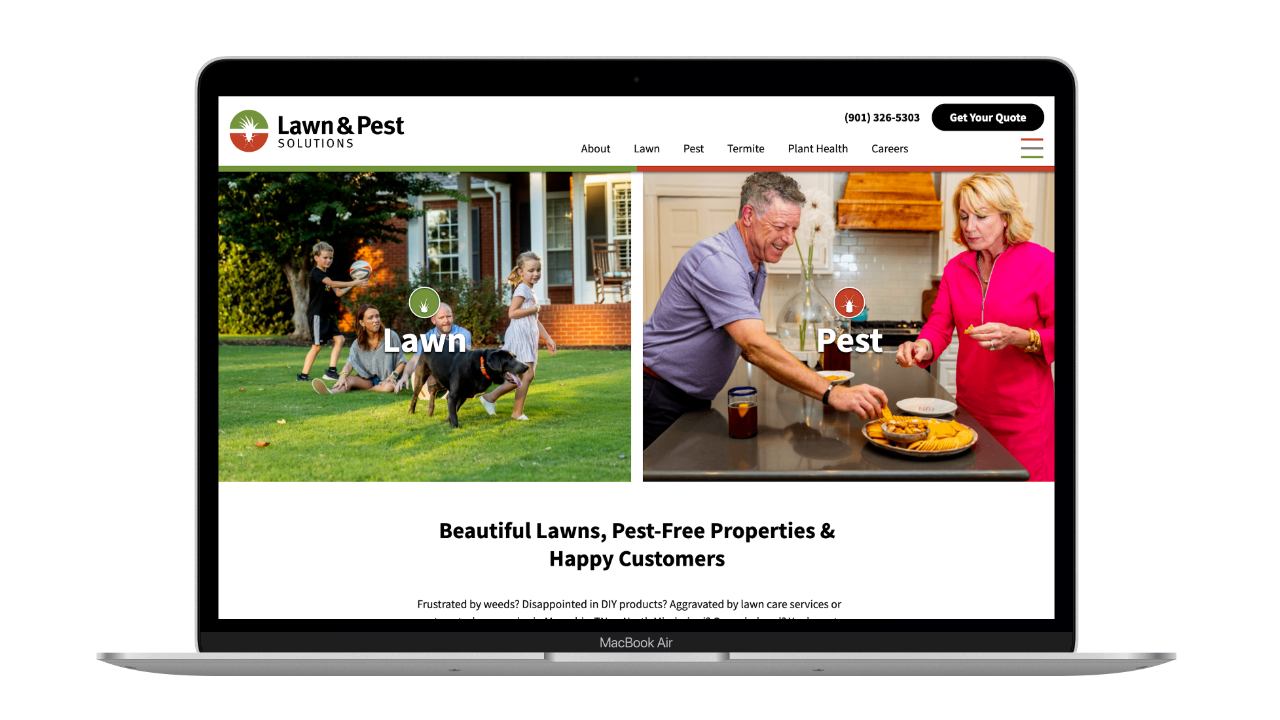
Image Source: Lawn & Pest Solutions
Kaitlin summed up the client's responsibility well. “It is your website. You're paying for it. They are the experts, but if you want to get out of the site what you want, you have to put in the time, too.”
That's the collaboration you're looking for. Your agency brings its expertise. You bring yours.
Build Something Worth Owning
Here's the truth we hope you take to heart...
A great lawn care, tree service, or landscaping website isn't simply something you buy from an agency. It's an asset you build together.
-
Own your visuals.
-
Own your website.
-
Own your role in creating it.
When both sides own their responsibilities, you have a much better chance of ending up with a website that looks like your green industry company, sounds like your brand voice, generates opportunities, and continues creating value long after it launches.
If you love practical, honest conversations like this, join 5,000+ of your green industry peers and subscribe to our blog.
And if you're considering a new website for your lawn care, landscaping, tree service, or pest control company, we'd love to help you determine what your company actually needs and build the assets to support your growth for years to come. Feel free to request a consultation with us.