
Video has become one of the most powerful ways to build trust with prospective customers, attract top talent, and differentiate your green industry company.
Yet many brands still approach it like a one-time project.
They produce a company overview video...a recruiting video...maybe a few social media clips. Then the cameras get packed away until someone decides it's time for another "video project."
But what happens when a company commits to video creation for more than a decade?
What impact does that have on sales? Recruiting? Brand awareness? Company culture? Employee engagement?
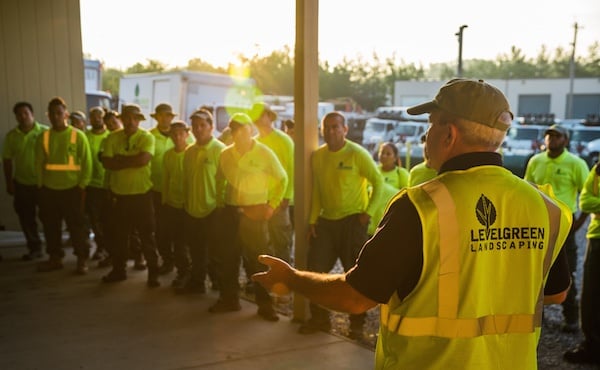
On a recent episode of the Landscape Leadership® Podcast, I sat down with Marion Delano, Director of Technology & Marketing at Level Green Landscaping.
Over the last 12 years, our teams have worked together to create more than 70 videos (more than any other client we've partnered with). Plus, we have some examples below!
Along the way, we've learned a lot about what works, what doesn't, and why the companies seeing the greatest return from video aren't necessarily creating the fanciest videos. They're committed to creating them consistently and using them intentionally.
If you're considering video for the first time or looking to get more value from the content you're already producing, I think you'll find some practical ideas you can apply to your own business.
Videos To Solve Business Problems
One thing I appreciate about working with Marion is that our conversations rarely start with, "What video should we make next?"
Instead, they usually begin with a business challenge.
-
The sales team is looking for a better way to explain the onboarding process.
-
Job recruits need a clearer understanding of what a specific role looks like.
-
The company wants to attract more commercial landscaping clients in a specific vertical.
-
Leadership wants to reinforce a core value that's challenging to communicate.
The business problem comes first. The video becomes the solution.
That's exactly how Level Green has built a library of more than 70 videos.

"Most of our selling is done by our business developers," Marion explained. "Video really echoes the selling proposition they're already communicating. It makes us look more professional, demonstrates our expertise, and backs up what they're saying in person."
I think that's an important distinction.
It's easy to think of video as something marketing owns. At Level Green, video has become part of the sales process, recruiting process, customer onboarding, and overall customer experience. The marketing department may help produce it, but nearly every department benefits from it.
That's a much healthier way to think about content creation.
Great Videos Keep Working Long After They're Produced
One thing that has impressed me over the years is how many different ways Level Green uses the same piece of content.
A customer testimonial video doesn't just live on the website.
It becomes part of a digital proposal. It gets shared in a sales email. It supports a LinkedIn campaign. It might even reassure a prospective employee who's researching the company before an interview.
Marion told me their business development team now incorporates video into nearly every stage of the sales process.
"Almost every contact and touchpoint where we're talking to prospective clients includes video," he said. "Cold emails include video. Our proposals include video. Because we have such a large library now, we can customize those videos based on the type of property we're talking to."
That's a huge competitive advantage.
Imagine managing a retirement community and receiving a proposal that includes a case study featuring a similar property. That's way more compelling than an HOA case study.
Or imagine you're a property manager receiving a welcome video that walks you through exactly what happens after signing the contract, removing uncertainty before you've even become a customer.
Those are experiences that build confidence.
Another point Marion made really stood out to me. Some of their most effective videos serve multiple audiences at the same time.
Their "Our Past & Our Future" video is a perfect example. Prospective customers can see what the differences are of working with a family-owned business vs. a private-equity-backed national platform. Future employees see a workplace where owners and team members work together to create a rewarding workplace.
The audience changes. The message doesn't.
The Best Video Strategy Begins Months Before the Camera Arrives
People often ask me what it takes to create a great video.
My answer usually surprises them.
The filming itself is only a small part of the process.
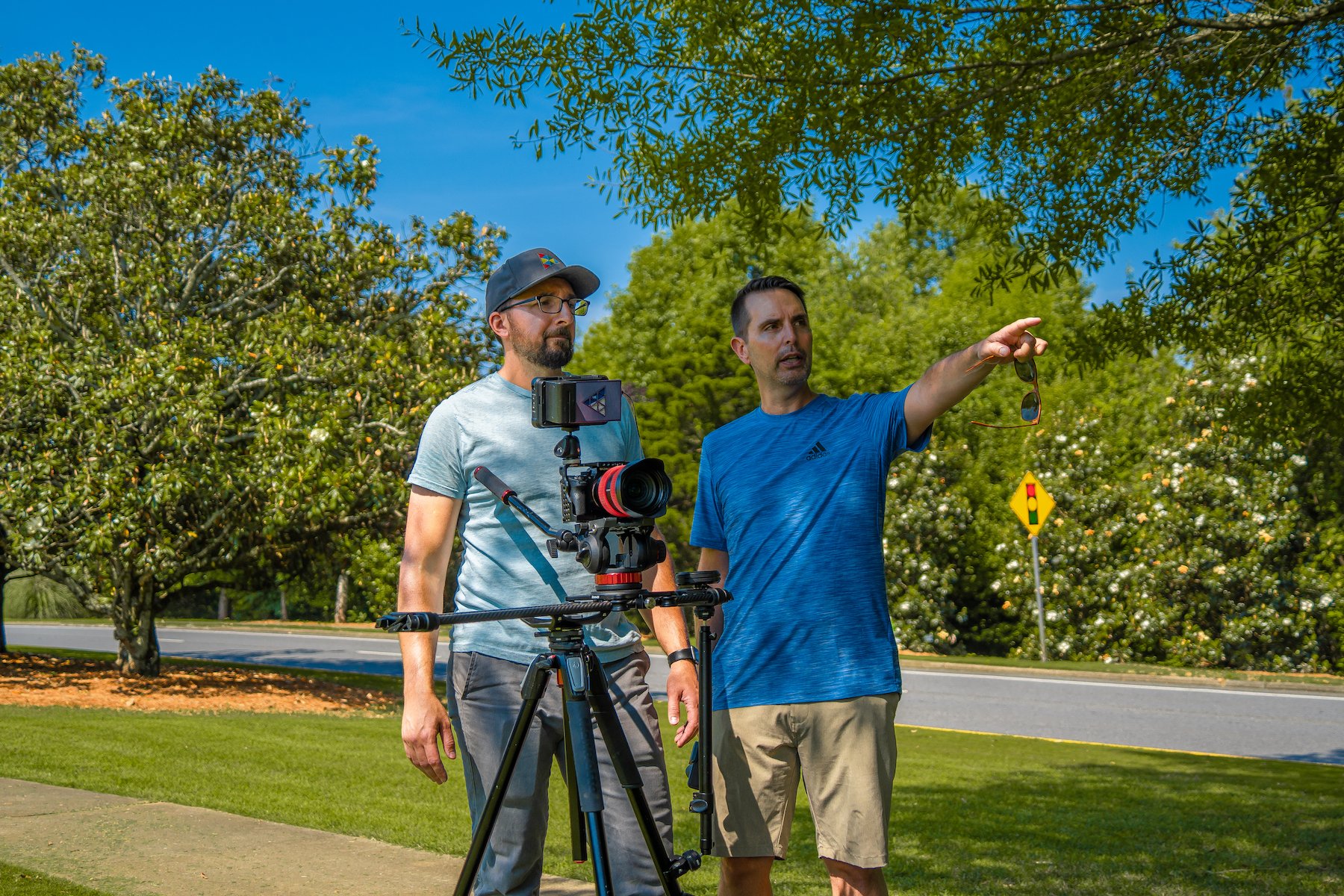
After working with Level Green and other clients for more than a decade, I've realized the best shoots are won months before anyone unloads a camera.
-
Customer testimonial videos require the right customer.
-
Properties need to look exceptional.
-
Crews have to be scheduled.
-
Leadership, account managers, customers, and the production team all have to coordinate calendars.
Even the story itself usually develops over weeks or months through conversations happening inside the company.
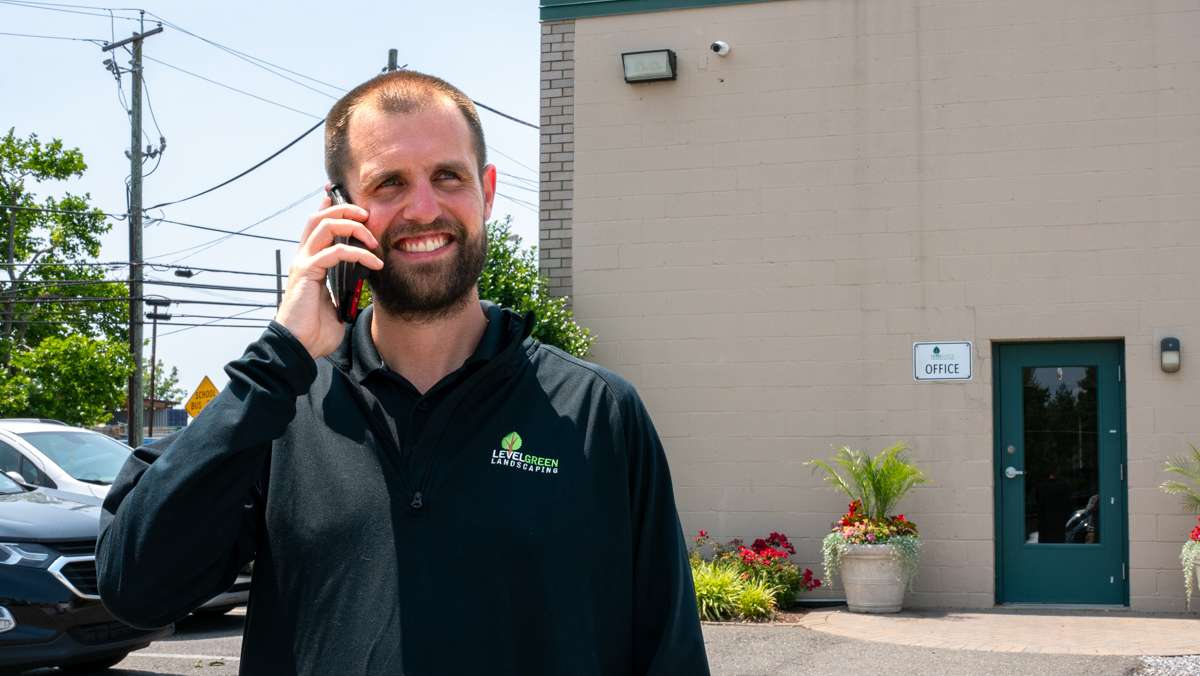
Marion admitted this was one of his biggest lessons. "One of the things I wish I knew was how important the planning element really is," he said. "If you start looking for customers a few weeks before the videographer shows up, you're already behind. You need to be cultivating those relationships year-round."
That applies to more than testimonials.
Some of our best ideas have come from recruiters who kept hearing the same questions from candidates.
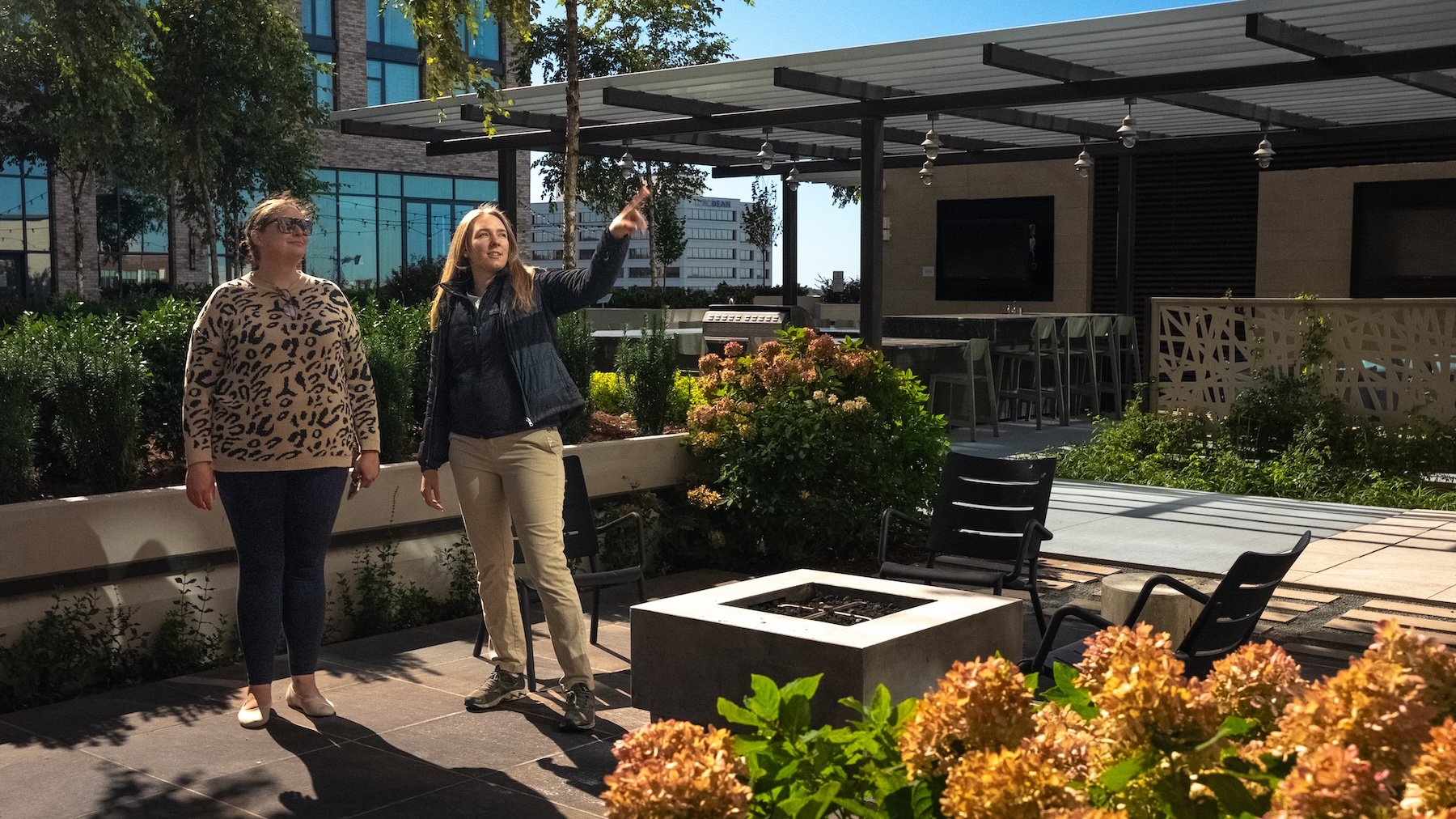
Others came from business developers who wanted a better way to explain a complicated process. We've even created videos because operations teams identified opportunities to educate customers before issues ever arose.
The longer we've worked together, the easier those conversations have become.
When we first started, we focused on the obvious topics: a company overview, recruiting, maintenance, enhancements.
Today we're solving much more specific problems because we're constantly listening to customers and employees.
Authenticity Will Always Beat Perfection
One concern I hear all the time is, "Our people won't be comfortable on camera."
I understand why business owners think that.
Then we start filming.
After dozens of shoots together, I've learned that predicting who will be great on camera is almost impossible. Someone who's confident in meetings may struggle through an interview, while the quiet employee who insists they hate being on camera ends up delivering the most authentic story of the day.
Marion has seen the same thing.
"The people you think are going to smash it sometimes struggle. The people you're a little worried about end up being really good."
That's why we don't rely heavily on scripts.
We prepare. We outline talking points. We ask thoughtful questions. Then we let people tell their stories in their own words.
Some of my favorite moments from Level Green's videos weren't planned at all. They happened after everyone relaxed and simply started having conversations. Those authentic moments almost always make the final cut because viewers connect with real people far more than perfectly rehearsed answers.
That authenticity has become part of Level Green's culture.
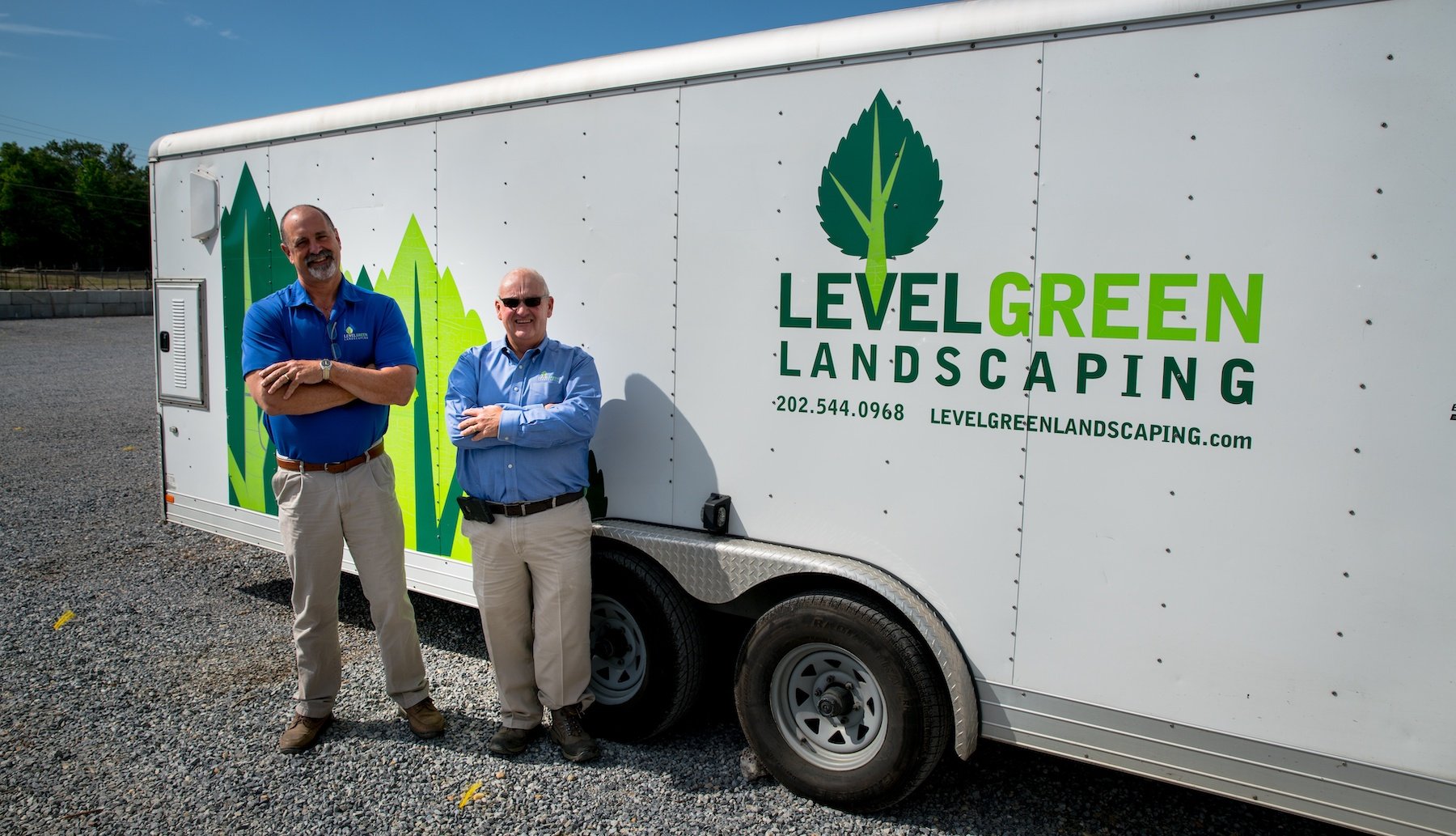
Leadership participates. Employees see coworkers featured in videos. People receive recognition for helping tell the company's story. Over time, appearing in a video became something employees looked forward to instead of something they tried to avoid.
Culture has a way of showing up on camera.
Play the Long Game
Toward the end of our conversation, Marion shared a thought that perfectly captured why Level Green has remained committed to video for so many years.
"Our leadership team believes the investment in marketing, and video specifically, is paying off over the long term. As our media library has grown, we've been able to use those videos in more and more ways."
I think that's the biggest takeaway from this conversation.
One video probably won't transform your business. But a long-term strategy can.
-
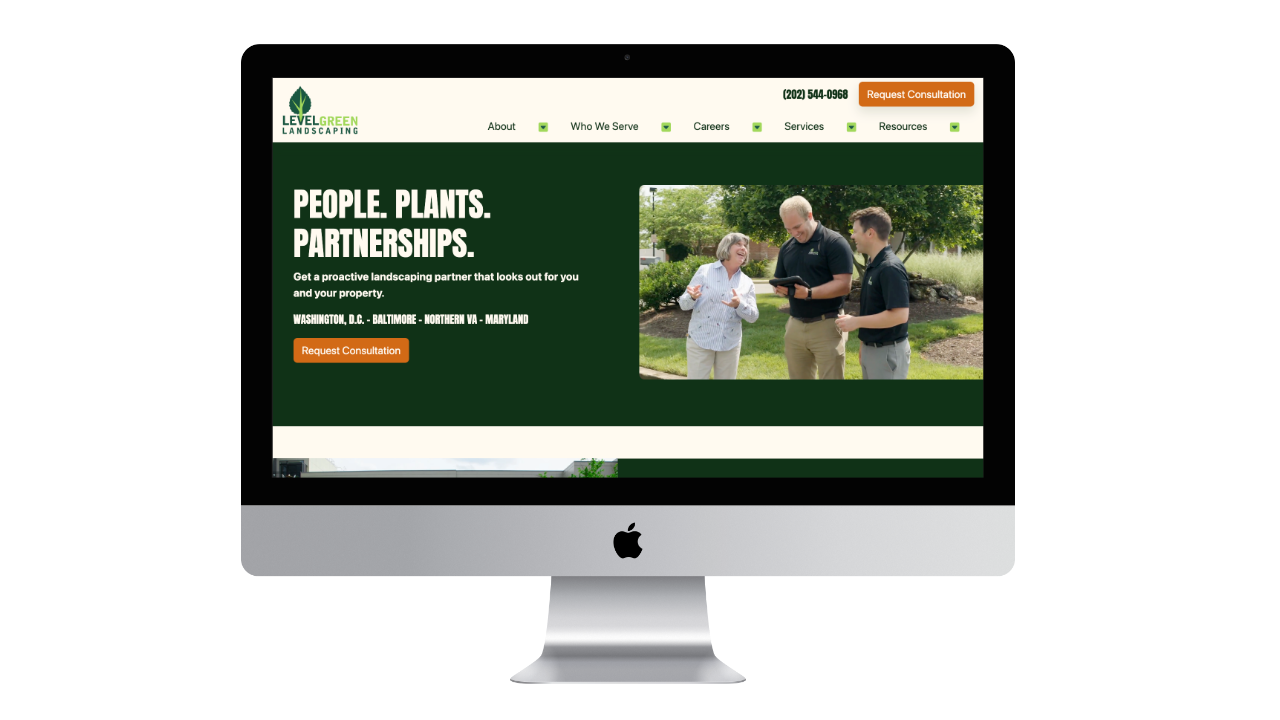
Every new video gives your sales team another way to build trust.
-
It gives recruiters another story to tell.
-
It strengthens your website and supports your social media
-
Video reinforces your brand's promises
-
It creates another opportunity for prospective customers to experience your company before they ever pick up the phone.
The companies getting the greatest value from video aren't chasing viral moments. They're consistently telling their story.
If you enjoyed this article, I encourage you to subscribe to our blog and follow us on social media where we regularly share examples of our client work (including video productions).
And if you're thinking about investing in video, remember this: video is most powerful when it's part of a larger marketing strategy. The best results happen when your website, SEO, content marketing, email campaigns, paid advertising, and video all work together to create a consistent experience for your customers.
If you'd like to explore what that could look like for your company, we'd love to help. Browse our client work, explore our free resources, or schedule a consultation. We'd be happy to help you build a marketing strategy that tells your story for years to come.