
.png)
In 2026, your problem isn’t a lack of platforms; it’s a lack of focus.
Lawn care and landscaping companies don’t fail at social media because they didn’t post on the right obscure network. They fail because they spread themselves thin, post mediocre content everywhere, and end up with… nothing that moves the needle.
If you serve residential homeowners, you don’t need a dozen networks.
If you serve commercial clients, you don’t either.
And if you’re trying to recruit, chasing “likes” won’t fix a workforce problem. But the right platforms, messages, and creative can absolutely help.
Here’s our 2026 take: Instagram, Facebook, YouTube, LinkedIn, and TikTok are the only platforms worth serious attention for most green industry businesses.

Image Source: Good's Tree & Lawn Care
Everything else is either obsolete for your goals, too niche to matter, or simply not a social network in a way that benefits your business.
And yes, there’s data behind this focus.
Pew’s latest research shows YouTube and Facebook remain the most widely used platforms among U.S. adults, with Instagram close behind. TikTok continues to grow, particularly among younger users.
The audience is there. The question is whether you’re using it correctly.
The Priority Framework (Because “Ranking” Depends on Your Market)
If you serve residential homeowners (B2C)
-
Facebook + Instagram (local visibility + social proof + community)
-
YouTube (authority + search + trust)
-
TikTok (growing, but younger skew, great if you can execute natively)
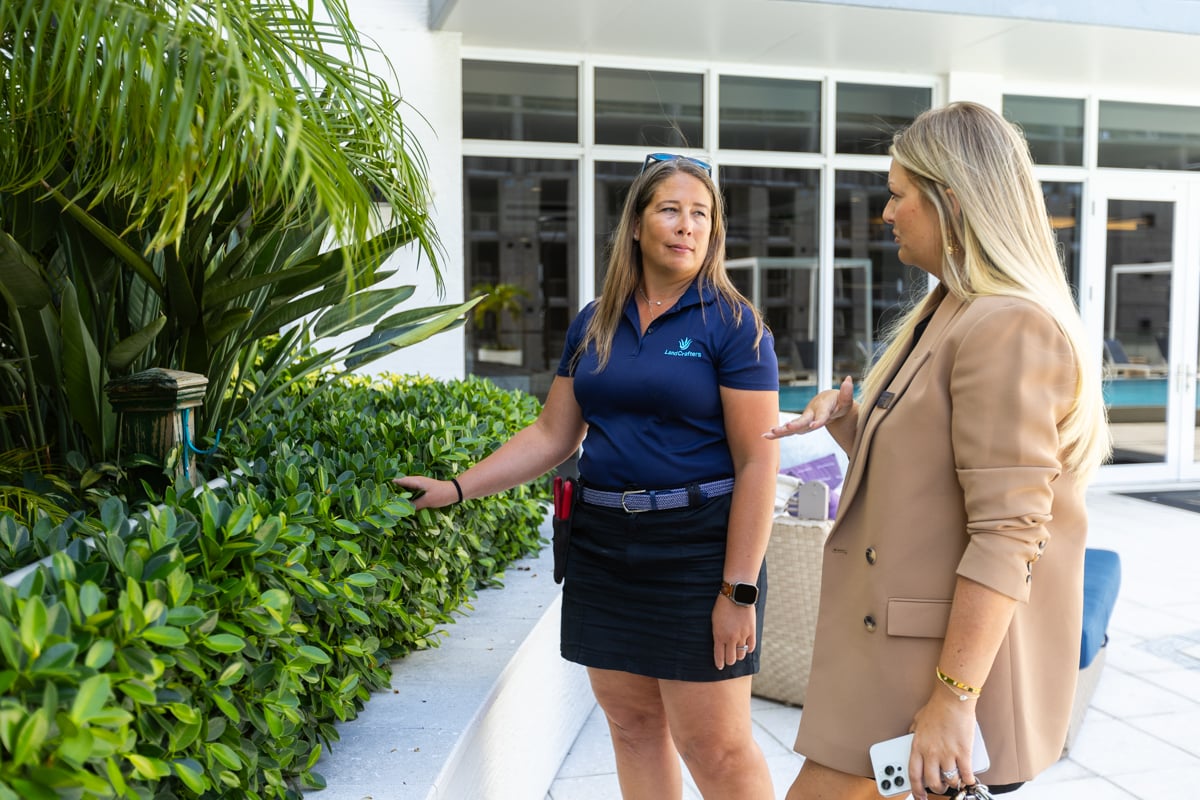
Image Source: Landcrafters Florida
If you serve commercial clients (B2B)
-
LinkedIn (decision-makers + credibility + relationships)
-
Instagram (brand proof + work quality + culture)
-
YouTube (authority + proof + longevity)
If you’re recruiting (B2C or B2B)
TikTok moves up the list. The short-form, authentic style resonates strongly with workforce demographics. YouTube and Instagram also matter, but recruiting content performs best when it feels real, not rehearsed.
A Critical Truth for 2026: One Idea Can Travel… But It Needs a Platform-Native Touch
Yes, you can (and should) repurpose content across platforms. In many cases, cross-posting is the minimum standard for consistency and efficiency.
But the brands that win in 2026 understand this: Distribution is step one. Adaptation is step two.
Modern algorithms reward:
-
Watch time
-
Dwell time
-
Saves
-
Shares
-
Meaningful interaction
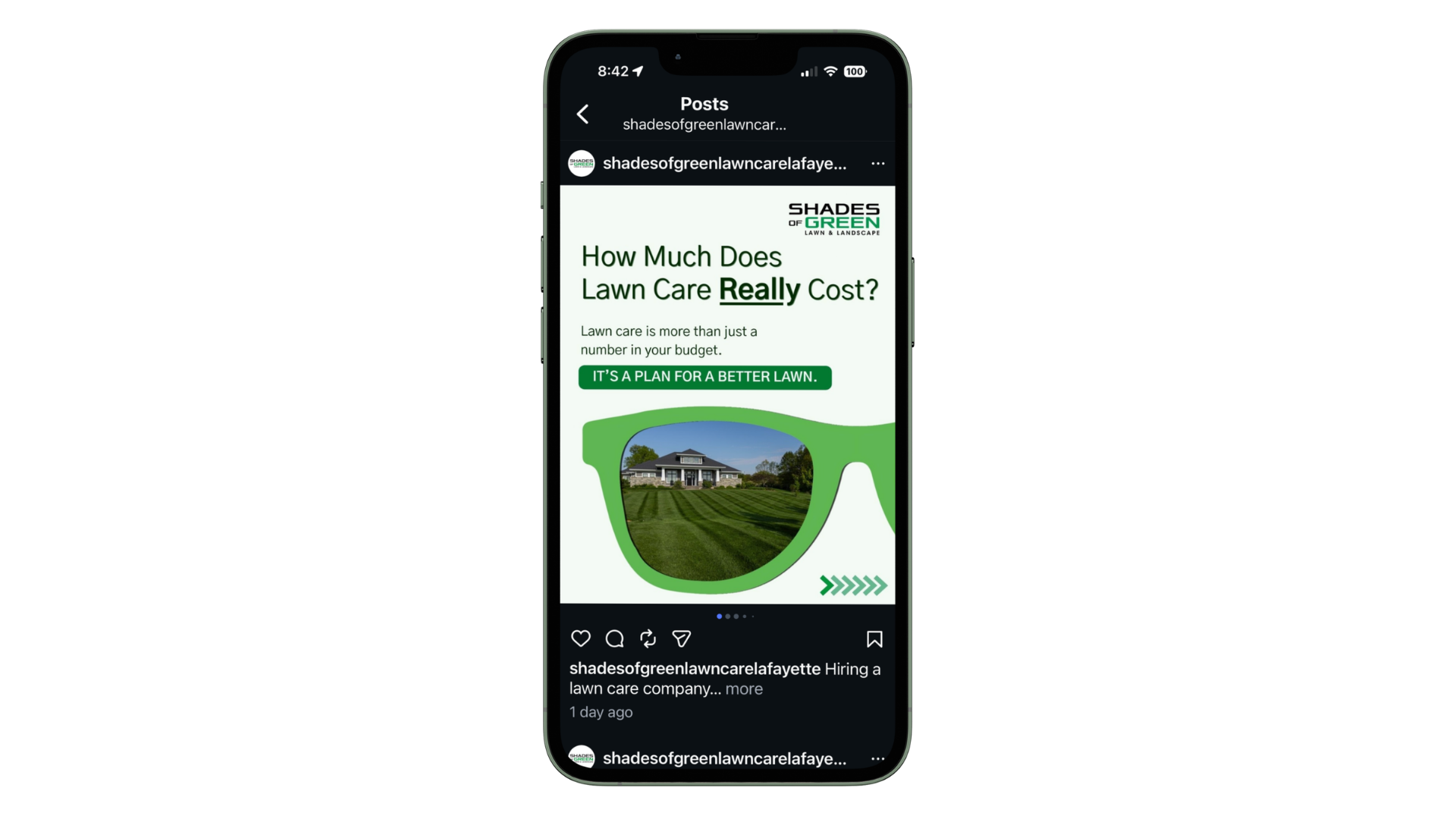 Image Source: Shades of Green Lawn & Landscape
That means formatting and tone matter. The same core idea can become a:
-
Designed Instagram carousel (graphic + text) that distills key takeaways
-
Community-driven Facebook post with a local story
-
Longer YouTube video explaining the process
-
Value-packed LinkedIn PDF carousel built from thought leadership
-
Fast-cut TikTok with a strong hook
Carousels, in particular, are one of the most underused tools in the green industry.
We’re not talking about posting ten random project photos.
We mean graphically designed, text-driven carousel content, taking the best points from a blog article or leadership insight and turning it into something people can digest in 30 seconds.
That kind of content increases dwell time, and dwell time is one of the strongest signals you can send to the algorithm.
Small Tweaks Make a Big Difference
Many companies publish the same content everywhere, and that may be fine.
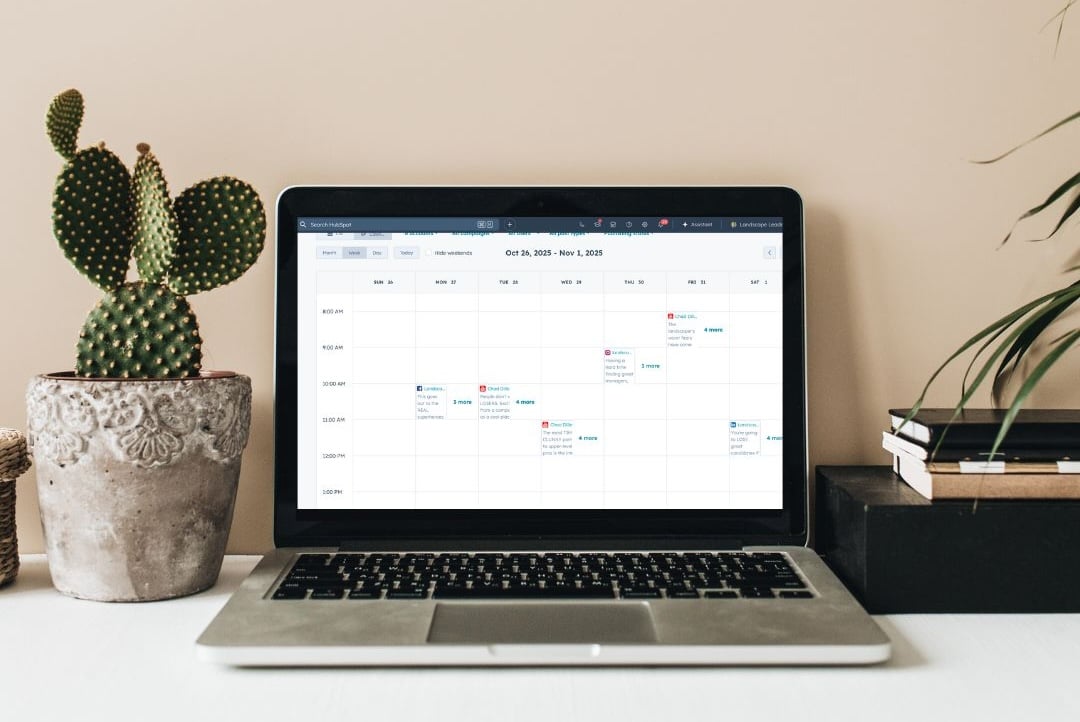
But top-performing brands make subtle edits in seconds, such as:
-
Using “we” on a company page, but “I” on a personal LinkedIn profile
-
Removing “link in the comments” language on Instagram, where links aren’t clickable
-
Adjusting tone for each platform’s culture
It’s not about reinventing content. It’s about making it feel native.
Same story. Slightly different voice.
Instagram: The Modern Portfolio (But Don’t Sound Like an Ad)
If you serve residential clients, Instagram is where your work can look premium and aspirational.
What wins in 2026:
-
Reels with tight editing and strong hooks
-
Designed carousels that combine visuals + insight
-
Behind-the-scenes craftsmanship
-
Crew personality and human moments
But here’s the nuance...Instagram users are highly sensitive to overt promotion.
Content that feels like an advertisement often underperforms compared to content that feels educational, inspiring, or story-driven.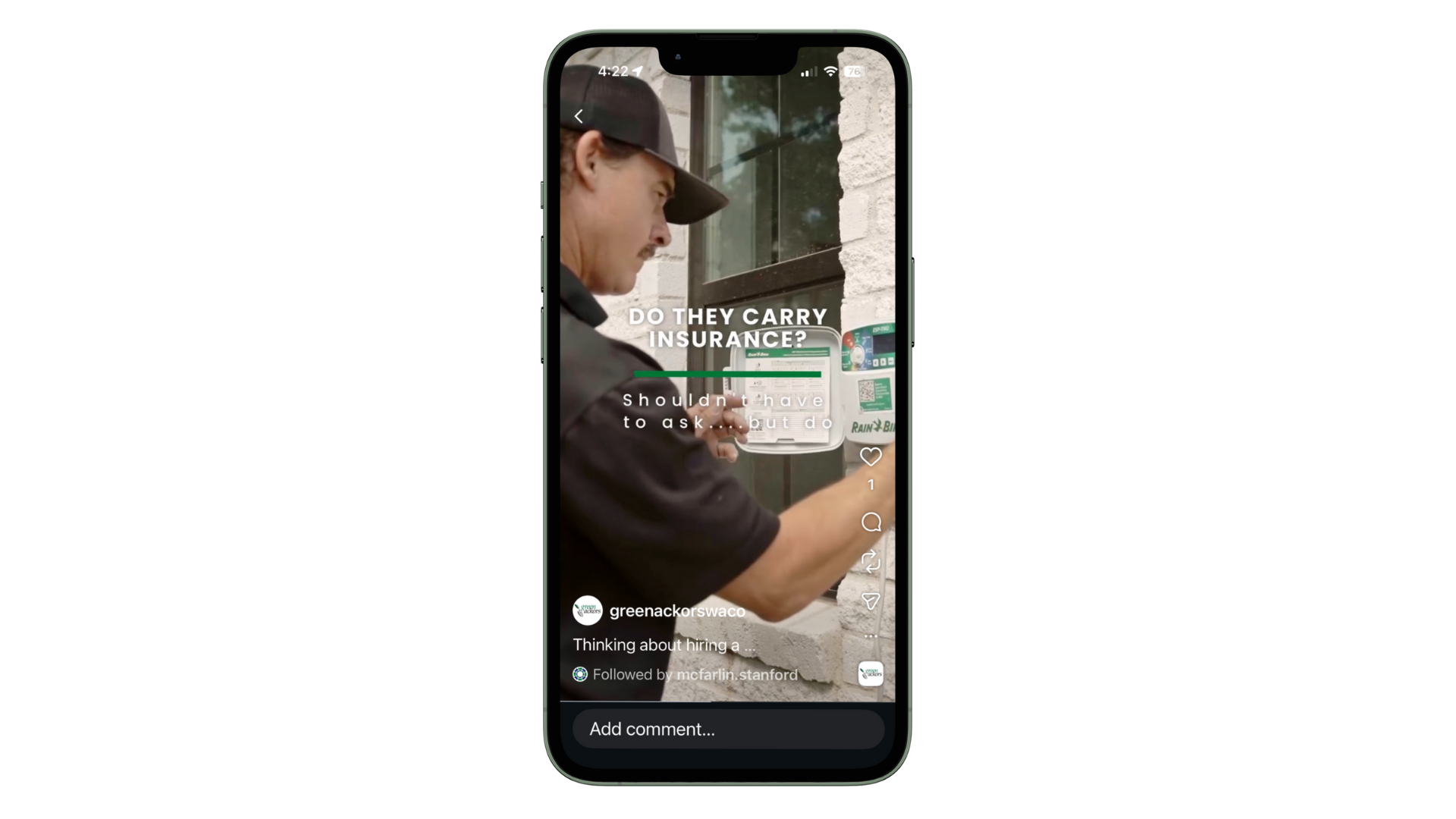 Image Source: Green Ackors Landscaping & Irrigation
A simple shift: Instead of “Call us for your patio project,” try, “Here’s what most homeowners don’t consider before building a patio.”
Same authority. Less resistance.
And increasingly, Instagram content isn’t staying inside Instagram.
In mid-2025, Instagram posts began appearing more consistently in Google search results, reinforcing the idea that social content is now part of the broader search ecosystem.
Facebook: Still the Local Heavyweight
People love to say Facebook is dead. It’s not...especially for local service businesses.
Facebook still dominates among adults 30+, which is prime homeowner territory. It’s community-oriented and heavily influenced by comments and shares.
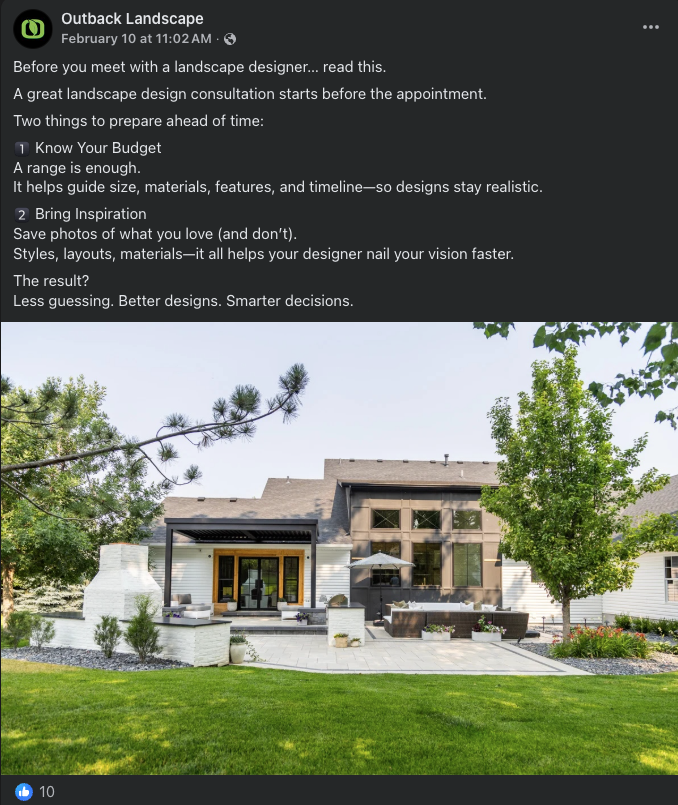 Image Source: Outback Landscape
Tone recommendation:
-
Slightly more direct is acceptable here
-
Seasonal reminders perform well
-
Social proof (reviews, neighborhood engagement) is powerful
But even here, constant hard promotion creates fatigue. Educational + community-focused still wins long-term.
YouTube: The Long-Game Trust Machine (And a Google Advantage)
YouTube isn’t just social media. It’s the second-largest search engine in the world, and it’s owned by Google.
Ignoring Google-owned platforms is rarely a smart move.
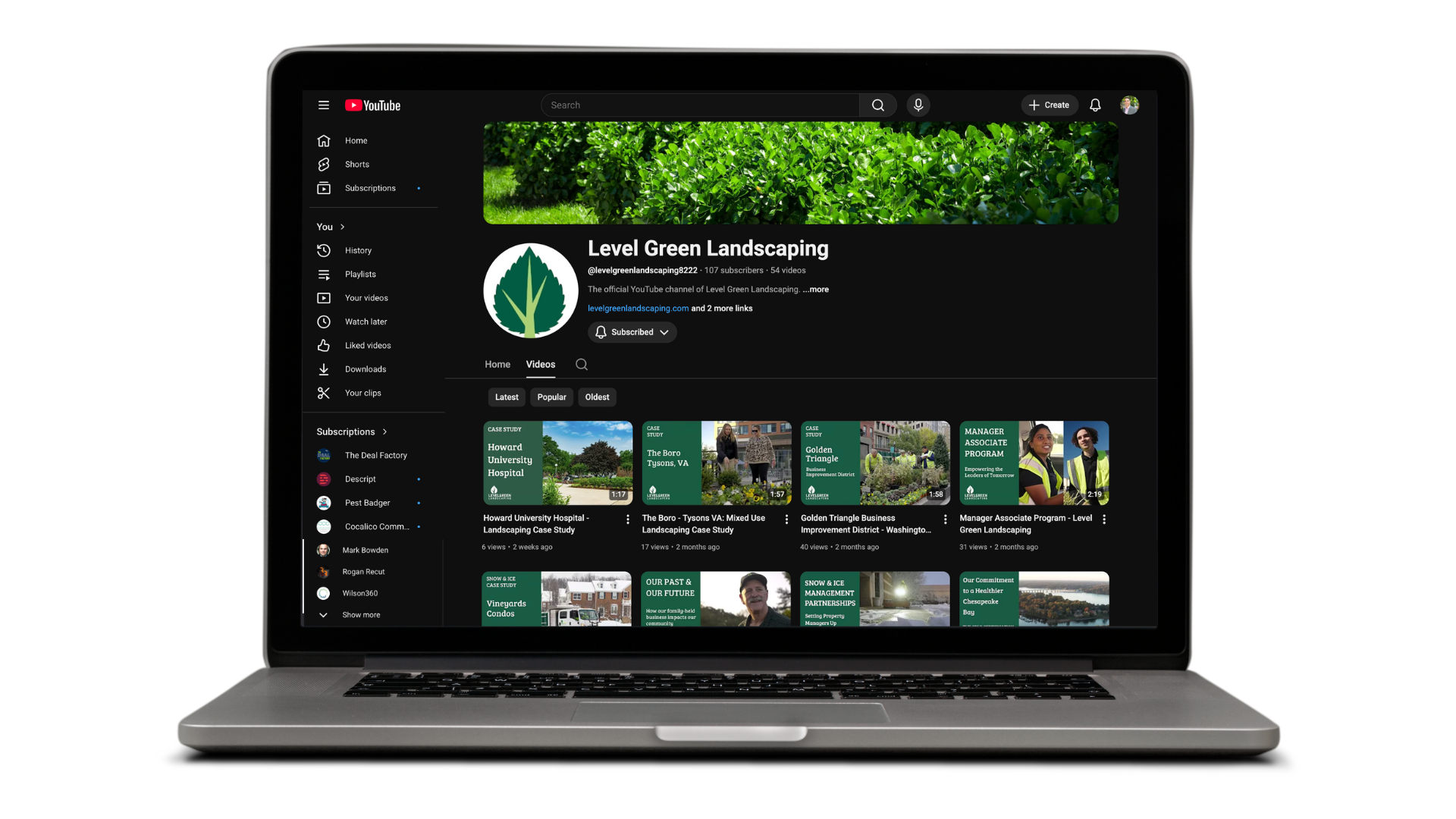
Image Source: Level Green Landscaping
YouTube content builds trust, but it also supports discoverability. When your videos are embedded or linked back to your website, they can strengthen your overall digital footprint and help reinforce topical authority.
If someone searches:
-
“Best landscaping company near me”
-
“Commercial snow removal expectations”
-
“What does landscape maintenance include?”
YouTube content can be part of the answer.
Video marketing research continues to show how central video has become. Wyzowl reports that 89% of businesses use video as a marketing tool, and consumers increasingly say video helps them trust a brand.
This is where professional video quality matters most.
LinkedIn: The B2B Authority Platform
If you serve commercial accounts, LinkedIn should be a core pillar, not an afterthought.
What works:
-
Thought leadership
-
Operational insight
-
Case studies
-
Industry commentary
-
Document carousels (PDF posts)
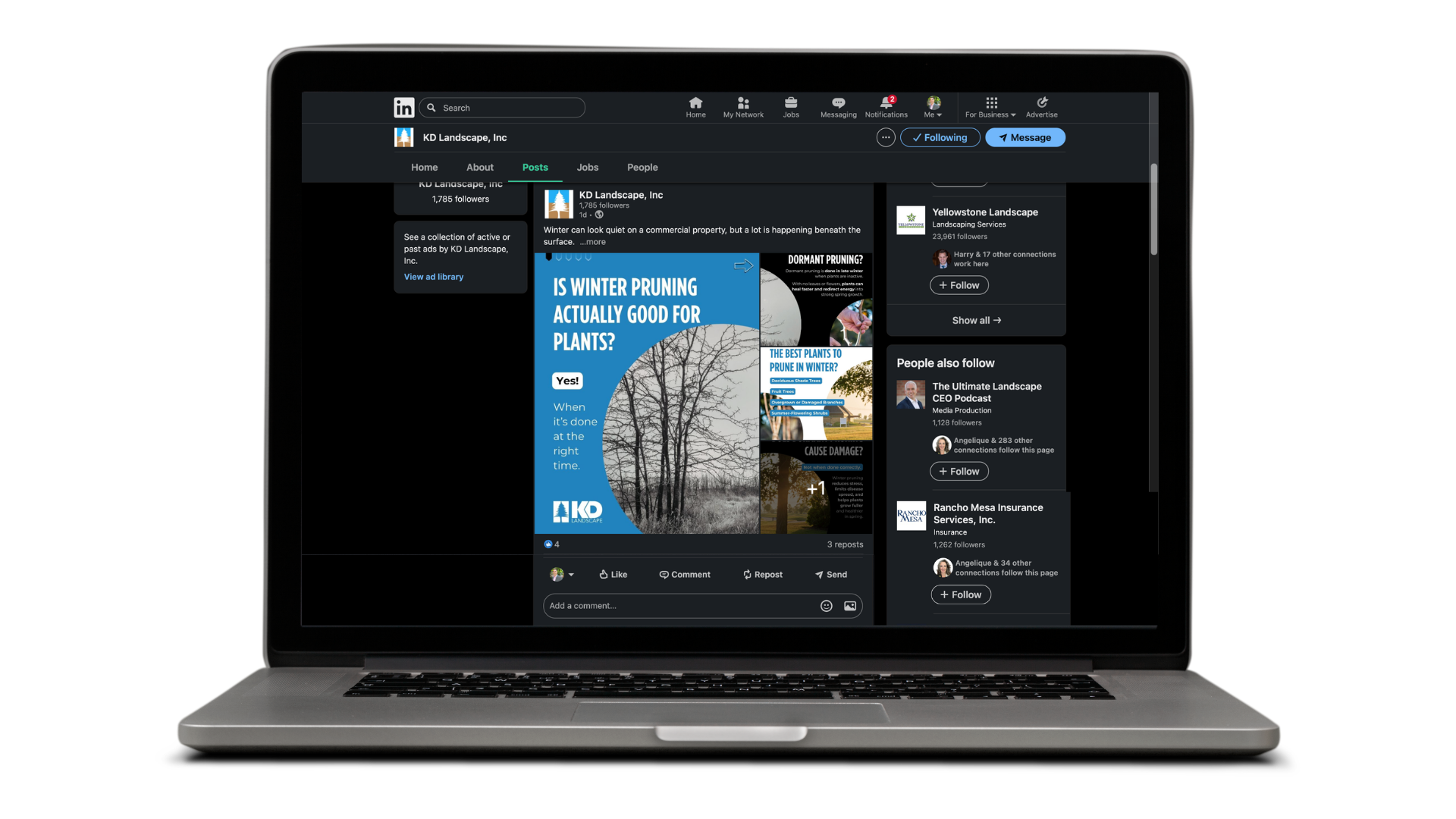
Image Source: KD Landscape, Inc.
LinkedIn’s algorithm strongly favors content that holds attention, and PDF carousel posts are one of the best formats for that.
Tone guidance:
-
Insightful
-
Professional
-
Confident
-
Never salesy
Decision-makers respond to credibility, not hype.
TikTok: Authenticity or Nothing
TikTok continues to grow and remains dominant among younger demographics.
But here’s the big warning:
TikTok users distrust anything that feels like traditional advertising.
Highly scripted promotional videos often underperform compared to content that feels real, fast, and human.
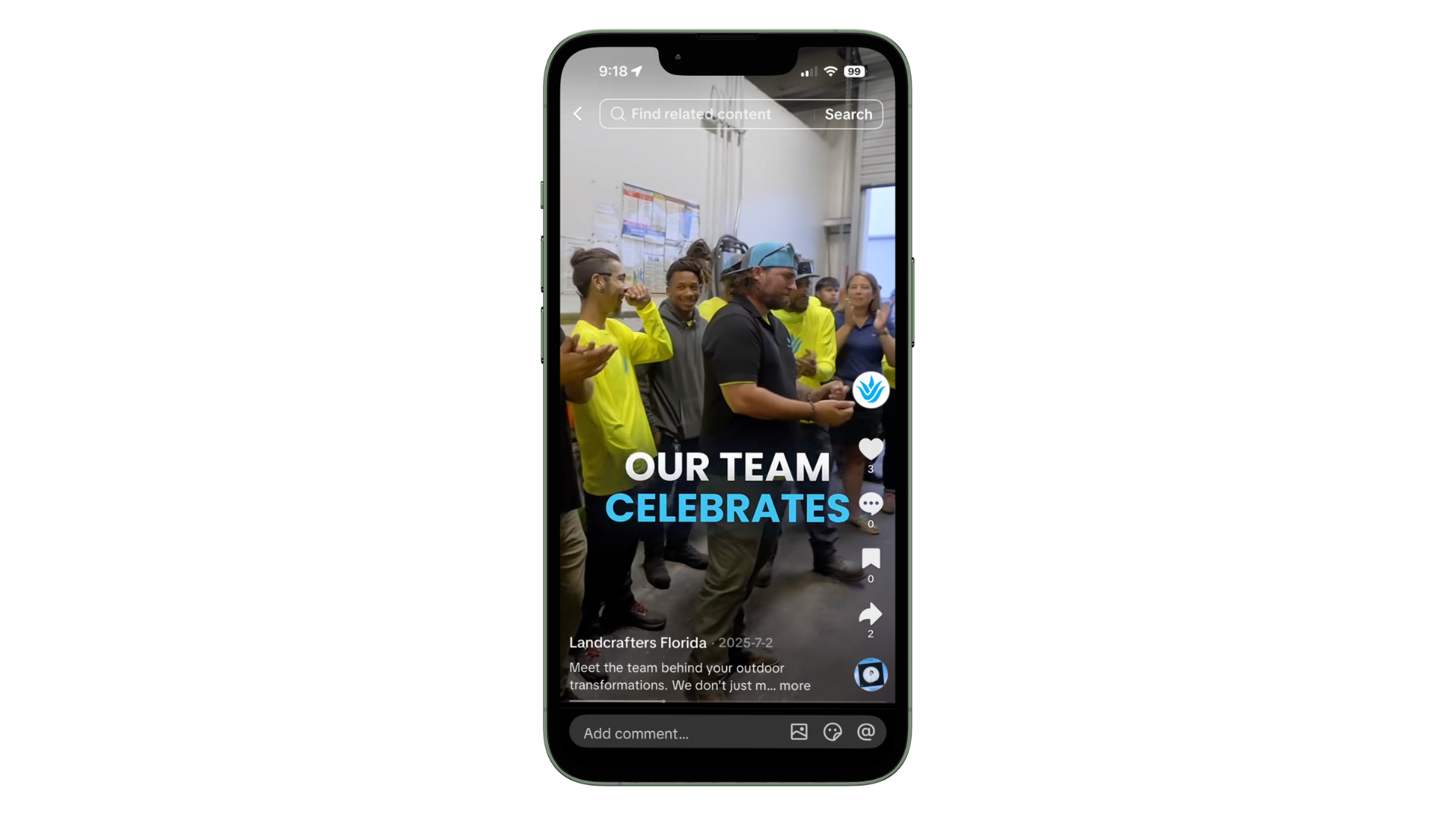
Image Source: Landcrafters Florida
That doesn’t mean sloppy. It means:
-
Strong hook
-
Fast pacing
-
Real crew moments
-
Real commentary
For recruiting, TikTok can be a secret weapon.
For residential growth, it works, but only if you commit to native-style content.
A New Reality: Social Media Is Now Part of Search and AI Authority
One of the biggest shifts in the last two years is that social media is no longer just social.
Google is indexing more social content. AI systems are increasingly pulling signals from brands that demonstrate real-world authority across platforms.
.png?width=1236&height=824&name=AI%20indexing%20social%20media%20content%20(1).png)
In other words, your Instagram, YouTube, and LinkedIn presence doesn’t just influence people.
Social media content influences discoverability, credibility, and even how your brand shows up in an AI-driven world.
Social media is becoming part of your digital authority layer.
Our Strongest Opinion: Professional Visuals Are Non-Negotiable
You’re in a visual industry.
Blurry photos and shaky footage signal amateurism, whether that’s fair or not.
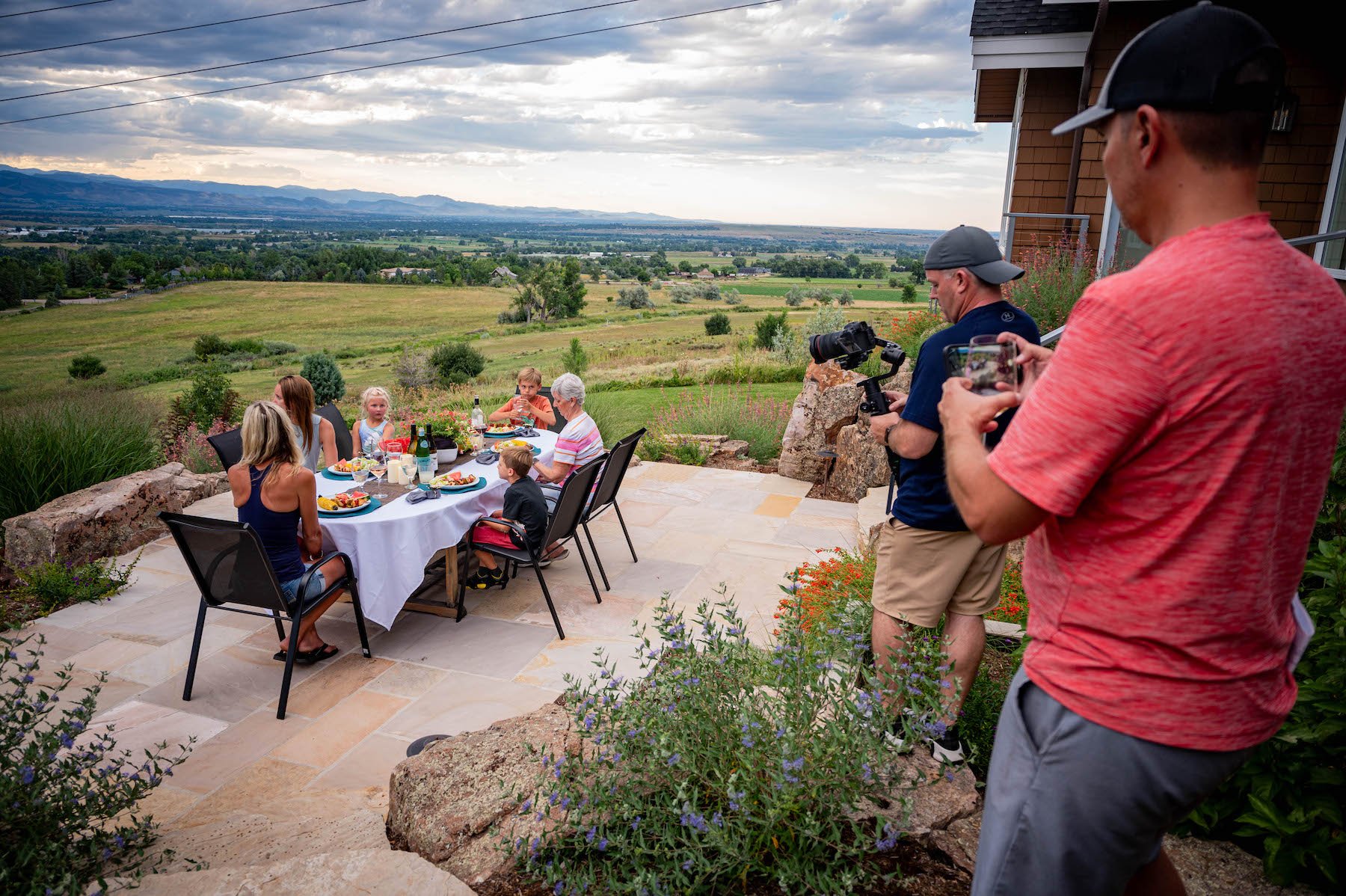
This doesn’t mean every post needs to look like a national commercial.
But your brand should have:
-
Professionally shot projects
-
Great visuals that include clients and team members
-
Clean audio on educational videos
-
Consistent visual style
Professional + authentic is the winning formula.
Where Should You Start?
Start small. Master depth before breadth.
If you serve residential clients: Start with Facebook + Instagram.
If you serve commercial clients: Start with LinkedIn + Instagram.
If recruiting is urgent: Layer in short-form video (TikTok/Reels/Shorts) early.
It is far better to:
-
Execute consistently on 2–3 platforms
-
Develop repeatable content formats
-
Learn what resonates
-
Improve production quality over time
That's smarter than scattering content across five platforms inconsistently.
Repurpose intelligently. Publish efficiently. Then add platform-native edits where it matters.
Social media is not about being everywhere. It’s about showing up the right way where it counts.
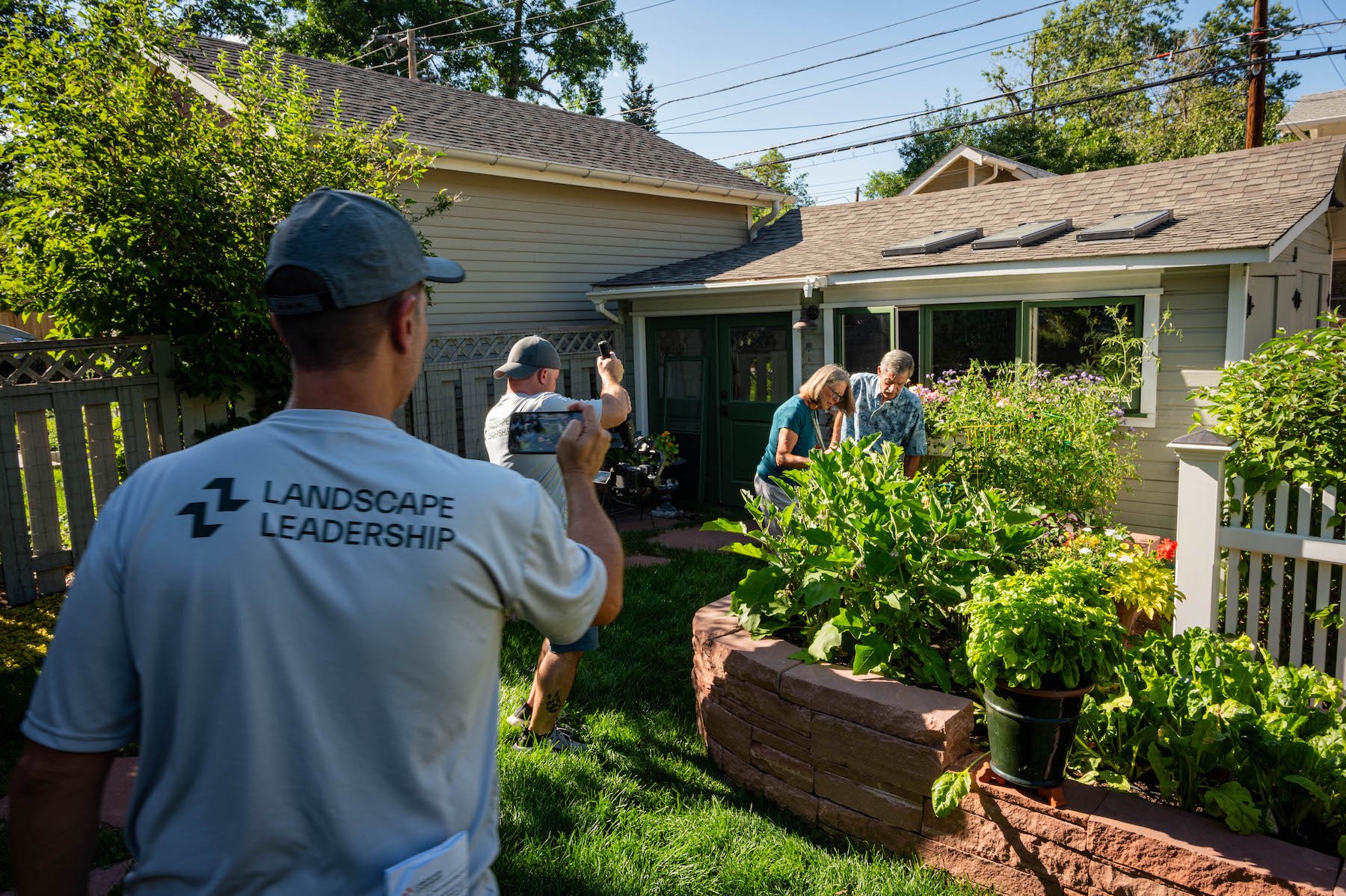
The Real Goal: A Comprehensive Plan
Posting isn’t a strategy.
A strategy includes:
-
Platform selection
-
Message positioning
-
Video/photo production
-
Format planning
-
Cross-platform adaptation
-
Recruiting integration
-
Sales alignment
When social media works, it supports:
-
Brand authority
-
Sales conversations
-
Recruiting
-
Long-term visibility
When it doesn’t, it becomes noise.
If you want help building a comprehensive marketing plan that includes social media and the creative engine to make it effective, that’s exactly what we help green industry companies build. Feel free to request a consultation.
If you love insightful articles like this, please join 5,000+ green industry professionals and subscribe to our blog.