

Podcast with Lex Mason from Weathermatic

If you’ve ever felt like your green industry business is competing in a market where everyone sounds the same, and customers treat you like a line item or something on their to-do list, you’ve felt the green industry commodity trap.
But escaping it isn’t always just better marketing. Sometimes it requires an identity shift. It means changing what you are known for and what category you are really playing in.
I see this play out with lawn care and landscaping companies all the time. Some of the businesses we work with at Landscape Leadership® have made major strategic shifts.
They narrow their services, redefine their ideal client, or reposition their company entirely. When they do, something interesting happens. Their marketing becomes easier, their sales process becomes clearer, and they start attracting better clients.
That is why I wanted to have this conversation with Lex Mason, President of Weathermatic.
Weathermatic has gone through its own repositioning journey over the years. The company evolved from a traditional irrigation manufacturer into a technology and solutions company serving lawn care and landscaping companies. That shift required the company to rethink how it sells, how it serves customers, and how it communicates its value to the market.
In other words, they had to redefine the category they operate in.
In this episode, Lex and I talk about what that process looked like and how green industry companies can apply the same principles to escape the commodity trap in their own businesses.
The Category You’re In Determines Everything
One of the biggest lessons from my conversation with Lex is this.
The category your company is placed in determines who you compete against and what customers expect from you.
That matters more than most lawn care and landscaping companies realize.

Image Source: Tropical Gardens Landscape
When a company is perceived as just another lawn care or landscaping provider, customers compare it against other companies offering similar services. Price becomes the main filter. Differentiation disappears.
That is the commodity trap.
Sometimes the real issue is not marketing at all. It is how the business is positioned.
The Reinvention of Weathermatic
Weathermatic is a great example of how a company can shift categories over time.
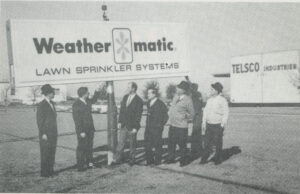
The company was originally founded in 1945 as a landscape contractor. Over time, it transitioned into manufacturing irrigation products and spent decades competing with other irrigation manufacturers.
But the company did not stop evolving.
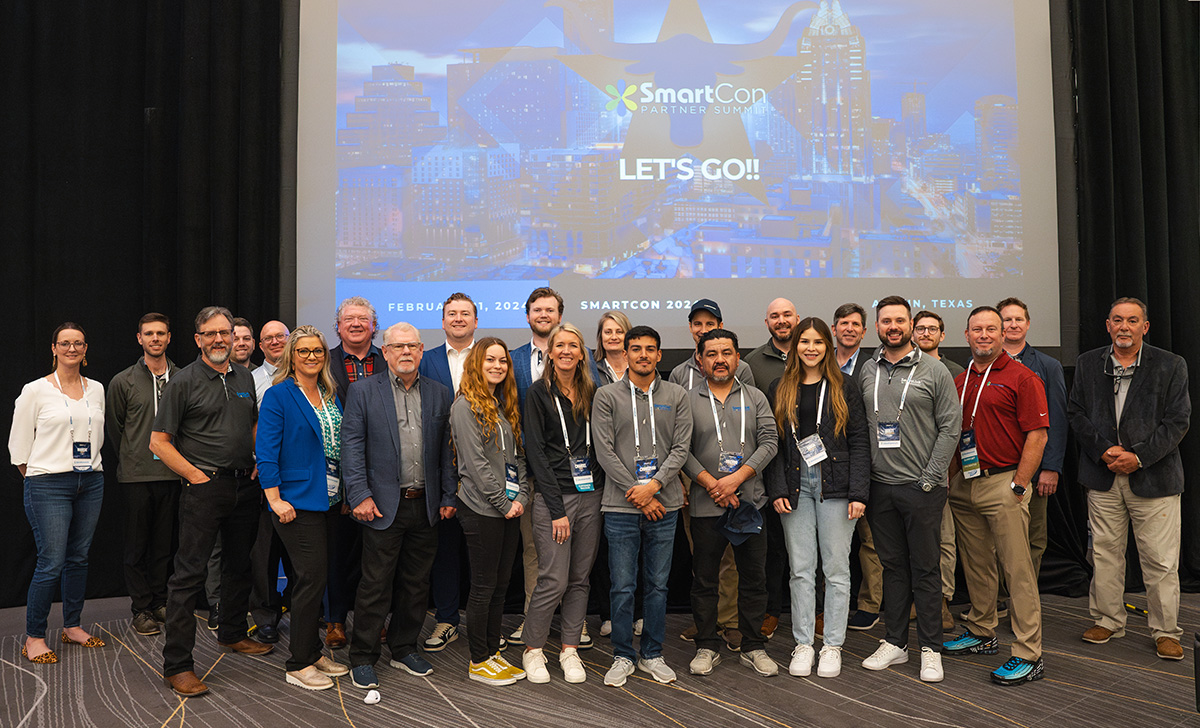
Today, Weathermatic operates much more like a technology and solutions company than a traditional manufacturer. In addition to irrigation hardware, the company provides software tools, operational systems, and advisory support that help lawn care and landscaping companies run profitable irrigation divisions.
In fact, more than half of the company’s revenue now comes from software and services rather than manufacturing.
That shift required much more than a marketing campaign.
It meant changing how the company sells, how customers are onboarded, how pricing works, and how the company communicates its value.
They did not just change messaging. They changed the category they operate in.
What It Feels Like to Be Stuck in the Wrong Category
Green industry companies experience this same challenge all the time.
A business may have evolved significantly over the years. They may have added services, developed stronger systems, or begun targeting a different type of client. Yet the market still views them the same way it always has.
When that happens, companies constantly find themselves explaining what makes them different.
Or worse, competing primarily on price.

Image Source: Village Gardener
We often see this with lawn care and landscaping companies that try to offer everything to multiple client types.
There is nothing inherently wrong with offering multiple services. However, when the business lacks a clear identity, customers struggle to understand what the company truly specializes in.
They subconsciously wonder, "Jack of all trades, master of none?"
That is when the commodity trap begins to form.
[RELATED READING: The Fine Art of Positioning - or How to Differentiate Yourself From All the Generalists in the Lawn & Landscape Industry]
Three Ways Companies Escape the Commodity Trap
In our conversation, Lex and I talked about several ways companies reposition themselves. These are shifts we also see among successful lawn care and landscaping companies across the industry.
1. Niching Down on Services
Many lawn care and landscaping companies start out as generalists. They offer whatever services the market demands.
Over time, most companies discover something important. One or two services generate the majority of their profit.
When companies lean into those strengths, their business often becomes simpler and more profitable.

Image Source: Oasis Turf & Tree
That kind of clarity is powerful.
As Lex said during our conversation, “The riches are in the niches.”
[RELATED READING: When Positioning Can Go Wrong - or the Challenges You'll Face Serving a Niche]
2. Changing the Clients You Serve
Another way companies reposition themselves is by shifting the type of clients they pursue.
Sometimes that means moving from residential work to commercial properties. Other times, it means simply moving up market to serve a select, affluent client type.
Instead of trying to serve every possible customer, companies focus on the type of clients where they can deliver the most value.

Image Source: Level Green Landscaping
We have seen lawn care and landscaping companies intentionally reduce the number of properties they maintain while increasing the size and quality of those relationships.
Interestingly, revenue often grows even while the number of clients decreases.
Fewer relationships.
Better relationships.
3. Defining Your Core Proficiency
Not every company needs to eliminate services entirely.
Another strategy is becoming known for one core proficiency.
For example, some lawn care and landscaping companies specialize heavily in high-end outdoor living and design-build projects. Their marketing emphasizes custom landscapes, luxury outdoor spaces, and detailed craftsmanship.
They may still provide maintenance services, but secondary services support the main focus of the business rather than defining it.

Image Source: Kingstowne Lawn & Landscape
Other companies take the opposite approach. They build their operations around maintenance excellence, focusing on recurring service, efficient routing, and long-term client relationships.
Those companies may still take on installation projects, but maintenance remains the core identity of the business.
When the core proficiency is clear, marketing becomes clearer and more impactful, too.
The Hardest Part Is Letting Go
One of the biggest obstacles to repositioning is fear.
Many lawn care and landscaping companies know they need to narrow their focus. Still, they hesitate to drop services, raise prices, or let go of clients.
During our conversation, Lex shared a simple exercise to help companies begin this process.
Go through your client list and rank every account.
-
A Clients are the ones you want to keep, no matter what.
-
B Clients are good clients, but not ideal.
-
C Clients are the ones draining time, resources, or profitability.
From there, pricing adjustments often reveal what needs to happen.
A 20% price increase can accomplish the same thing as firing a client. Some clients will leave. Others will happily pay the premium to keep working with a company they trust.
[RELATED ARTICLE: Positioning and the Fear of Missing Out]
Why Focus Makes Marketing Easier
From a marketing perspective, clarity changes everything.
The less focused a company is, the harder it becomes to communicate what makes them different. When lawn care and landscaping companies clearly define who they serve and what they specialize in, their marketing becomes far more effective.
Focus reduces complexity.
Think about the challenge of trying to promote high-end design-build, commercial landscape maintenance, residential lawn fertilization, and arborist services all at the same time. Each service has a different audience, different messaging, and different expectations.

Image Source: Lawn & Pest Solutions
You see it on websites first. When companies try to represent too many services and audiences, the messaging becomes broader, and visitors have to work harder to understand what the company is really known for.
The same thing happens with email marketing and content strategy. Most companies only have so many campaigns they can send, social content to post, or articles they can publish in a given month. When attention is spread across five service lines instead of one or two, progress becomes slower.
SEO is another good example. Building authority in search takes consistent content and focus. Companies trying to rank for many different service categories often struggle to gain traction. A narrower focus allows them to build authority faster around the services they want to grow.
Video production adds another layer. Capturing content for five different service categories requires more locations, more shoot days, and more production time. A focused company can capture stronger visuals from fewer properties and turn that content into a full year of marketing.
 Image Source: Good's Tree & Lawn Care
The goal is not to eliminate services entirely. Many lawn care and landscaping companies offer multiple services successfully.
The key is deciding what you want to be known for.
When that core focus is clear, every part of your marketing becomes easier and more impactful.
That is when green industry companies stop sounding like commodities.
Escaping the Green Industry Commodity Trap
Escaping the commodity trap does not come from clever slogans or flashy marketing campaigns.
It comes from clarity.
-
Clarity about the category your company belongs to.
-
Clarity about the clients you serve best.
-
Clarity about the services you want to be known for.
That is when companies move from being just another option in the market to becoming a category of one.
When those things align, marketing stops feeling like a struggle and starts working the way it should.
If you love conversations like these, consider joining 5,000+ of your green industry peers and subscribe to our blog. And, if you're ready to refine your positioning and develop a more focused marketing strategy that supports the profitable growth you're after, feel free to request a consultation.