
Here's the frustrating reality if you're a green industry brand thinking about launching a podcast (or you’ve already recorded a few episodes)...
You're a baller in the lawn care, landscaping, or tree service industry. You know it. Your clients know it. You have great ideas, great guests, and a real story to tell…
But then you end up with podcast episodes that feel less professional than your brand actually is.
Maybe the audio sounds a little hollow. Maybe the lighting makes you look washed out or shadowy.
Maybe the conversation drifts, you lose momentum halfway in, and you finish recording thinking, “We covered good stuff… but it didn’t land the way I hoped.”
And under all of those little production issues is a bigger concern most leaders won’t say out loud:
What if this makes us look like amateurs (or like we take the cheap shortcuts)?”
That worry is valid. Production quality isn’t about being flashy. It’s about building trust.
A podcast is often the first time a prospect spends uninterrupted time with your brand. If the experience feels messy, viewers don’t only judge the episode. They subconsciously judge the business behind it.
In the previous article, The Podcast Strategy Green Industry Brands Need First, we covered the first of three pillars. It's just one-third of the full episode below.
In this Part 2 article, we'll cover Podcast Production (to fast-forward to the Production segment in the episode below, go to 19:34).
Production is the practical steps that turn “a recording” into a real show. From planning, sound, visuals, and polish, we'll show you how to let your expertise come through the way it should.
Pre-Production: The Difference Between a Real Podcast and Rambling
Even if your strategy is solid, a podcast can still fall flat if the host and guest show up unprepared.
Pre-production is where the strategy becomes tactical. It’s where you choose:
- The topic
- The angle
- The subpoints
- The “guardrails” that keep the conversation valuable
In our episode, we joked about how common it is for hosts to invite someone on, then ask: “So… what do you want to talk about?” And when that happens, the guest ends up doing the pre-production for the host.
Here's a simple fix...outline the episode!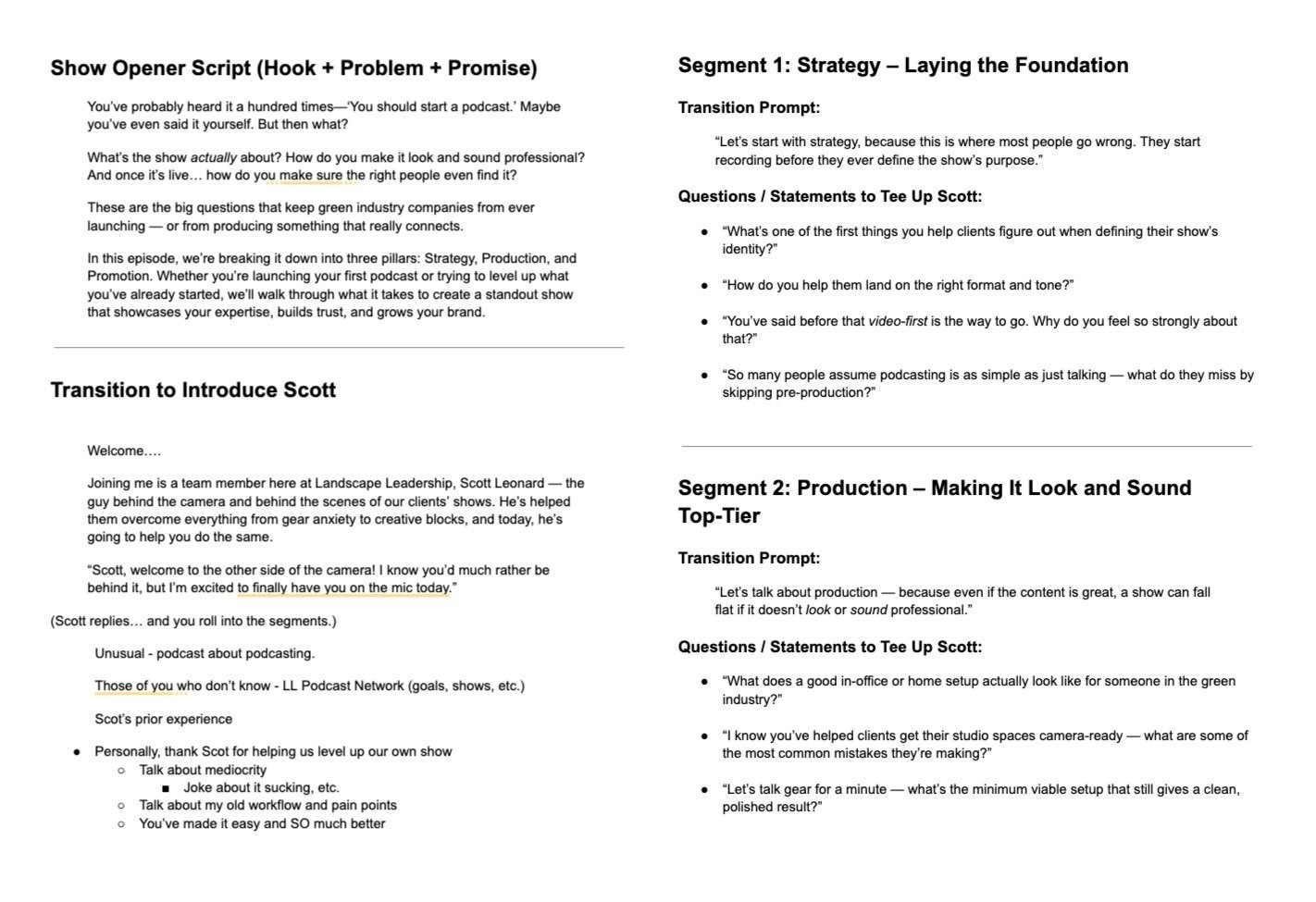
Not a script. Not rigid. Just enough structure to keep the conversation moving forward with purpose.
That’s exactly what pre-production should do:
Keep the host from rambling
Help the guest feel confident
Shape the episode into something that delivers a result for the listener
And here’s a key mindset shift I’ve had to learn as a communicator:
The goal isn’t to say everything.
The goal is to say the right things—clearly.
If you try to cram every idea into one episode, you’ll end up with an overstuffed conversation that nobody finishes.
If you choose three strong subpoints and execute them well, you’ll create something people actually want more of.
Production Priority #1: Clean Audio (Because Bad Audio Is a Deal-Breaker)
Once your outline is in place, the next biggest production lever is audio.
People will tolerate imperfect video far longer than they’ll tolerate bad audio. Crackly, hollow, echo-y sound is the fastest way to lose attention, even if the topic is strong.
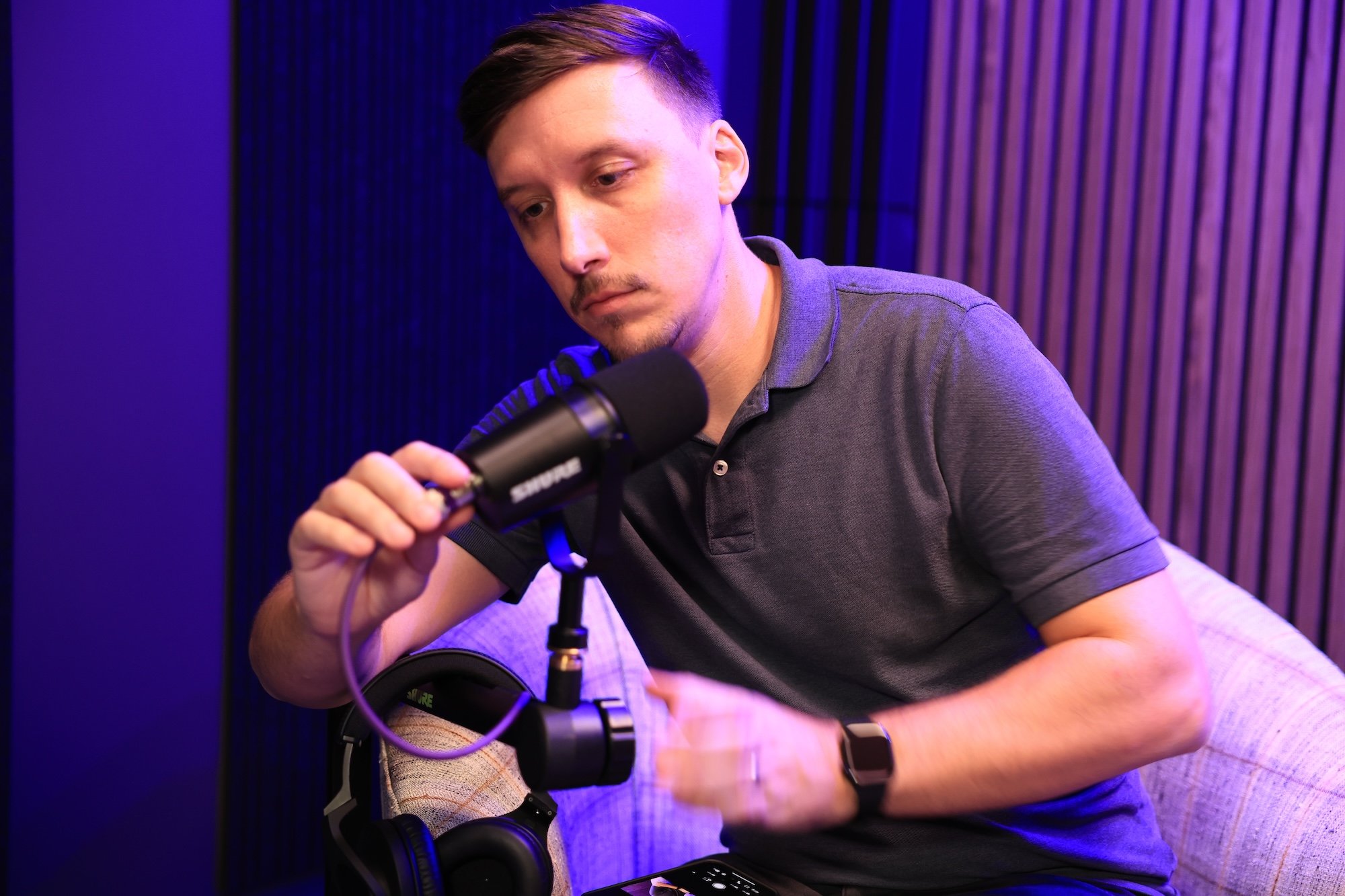
This matters even more in the green industry because so much listening happens in the real world. Your audience may be driving between jobs, traveling, or working at their desk. If the audio isn’t easy on the ears, your audience won’t fight through it.
Clean audio usually means:
- Voices sound full (not thin or tinny)
- Volume is consistent across host and guest
- Peaks are controlled (no blown-out loud moments)
- Room echo is reduced
You don’t have to become an audio engineer to improve this. But you do have to treat audio like a first-class part of the brand experience, not an afterthought.
Production Priority #2: Lighting (Because Lighting Beats Camera)
Most people assume the camera is the key to good video. In reality, lighting often makes the bigger difference.
Scot said it plainly. You can get decent results with a modest camera if the lighting is handled well. But a great camera can’t “save” bad lighting.
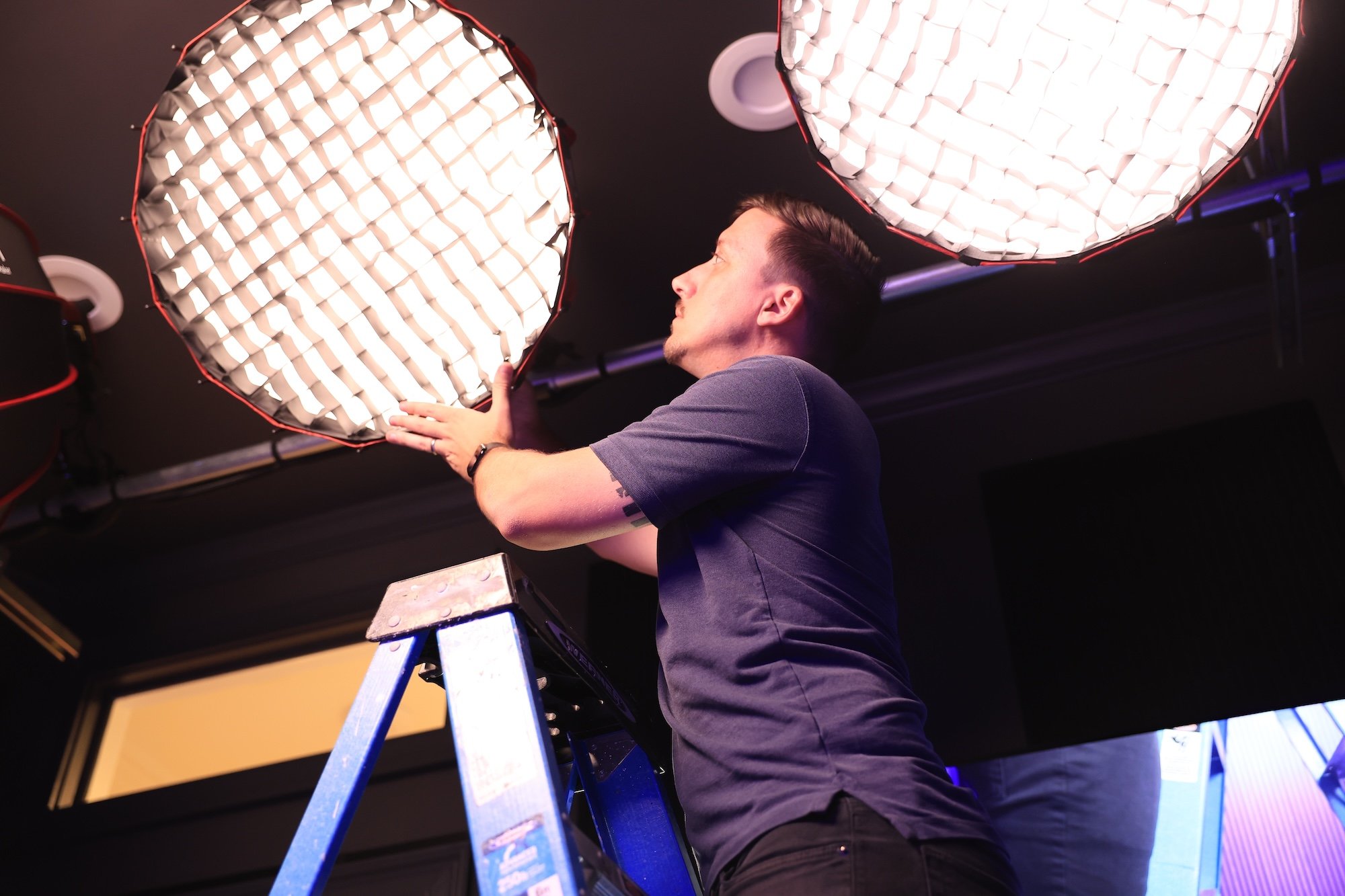
Bad lighting shows up in predictable ways:
- Harsh shadows on the face
- Overhead office lighting that looks sterile or “green”
- Bright windows behind you that turn you into a silhouette
- Inconsistent brightness because the sun changes mid-recording
That last one is sneaky. Natural window light can look great… until one cloud rolls by and the entire scene shifts while you’re mid-thought.
Controlled lighting doesn’t need to be complicated. It just needs to be intentional. When lighting is right, the show immediately feels more premium, even before the viewer knows what you’re talking about.
You can easily learn more about great lighting on YouTube. Just search for "3 point lighting for video".
Why “Video-First” Is Becoming the Standard
Podcasts started as audio, but modern podcasting is increasingly video-first.
That doesn’t mean audio is dead. It means video expands your reach. If you record video, you automatically get audio too, so you can win in both places without choosing one.
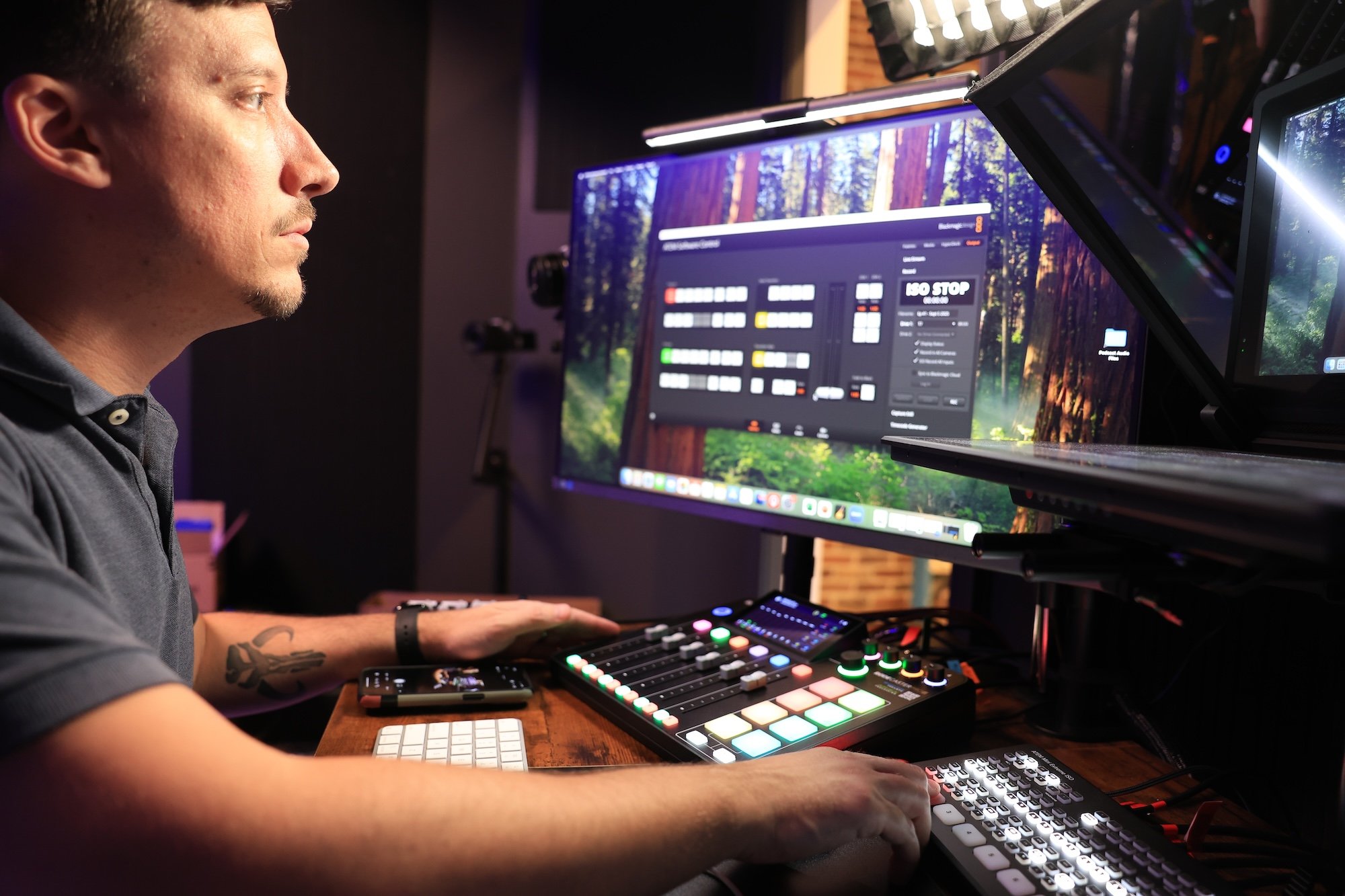
Here’s why the video-first approach is becoming the common denominator:
- Trust builds faster when people can see you
- Video adds tone, body language, and presence. That accelerates familiarity, and in B2B, familiarity is half of trust.
- YouTube is now a major podcast platform. It’s become a discovery engine that audio-only shows often miss.
- A video episode becomes weeks of content. If you want short clips for social (and you should), video-first is how you consistently produce them without scrambling later.
One Camera Can Work… But Multiple Angles Change the Experience
One camera is enough to get started. You can record, publish, and even crop in if you shoot in 4K.
But if you want your show to feel truly “top-tier,” multiple camera angles are one of the biggest visible upgrades you can make.
Check out this three-camera setup from one of the shows on the Landscape Leadership® Podcast Network, "The Deal Factory: powered by 3PG Advisors".
Watch how you can see a) both host and guest, b) host, and c) guest angles.
Scot referenced how premium studio podcasts feel more immersive because the visuals change—wide shot, host shot, guest shot—creating rhythm.
A simple multi-cam setup typically includes:
Wide shot (both people)
A host shot
The guest shot
This does a few powerful things:
- It holds attention. The video doesn’t feel static.
- It feels like the viewer is at the table. The show becomes more present and engaging.
- It makes editing cleaner. If there’s a stumble, pause, or reset, angle changes help hide cuts and keep everything feeling seamless.
Multi-cam isn’t about showing off. It’s about making the show easier to watch and easier to finish.
Editing: What Separates “A Recording” From “A Show”
A lot of green industry podcasts do minimal editing. They trim the beginning and end, maybe remove a couple awkward moments, then hit publish.
But professional editing has one mission:
Make the listener’s experience better without making it feel fake.
Scot made an important point about AI editing tools. AI can speed things up, but it still needs a human guiding it. If AI aggressively removes every pause or compresses every breath, the episode starts to feel unnatural, like the host is out of breath or heavily edited.
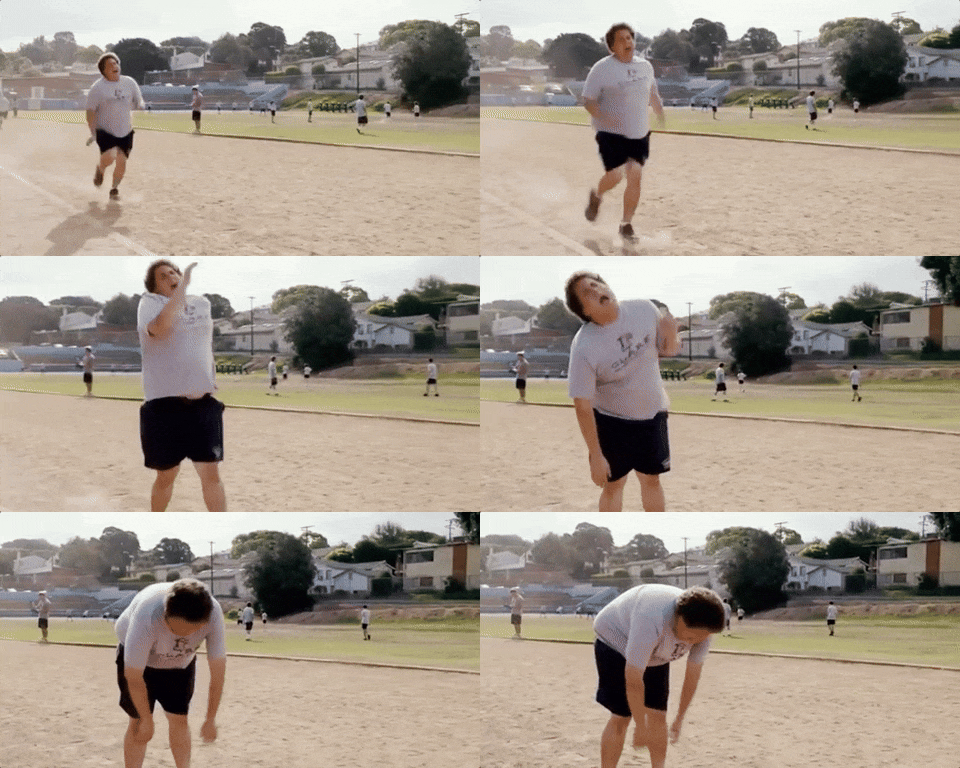
Good editing is selective:
- Cut dead air when it hurts pacing (3+ sec. pauses)
- Tighten repetitious responses
- Remove tangents that don’t serve the listener
- Smooth transitions
- Balance the audio so it’s consistent and comfortable
And for video:
- Switch angles with intention (to create rhythm)
- Use angle changes to hide cuts
- Crop/zoom thoughtfully when shot in 4K to add variety without losing quality
That’s what creates the “this feels expensive” effect without ever trying to be flashy.
The Podcast Production Checklist
If you want a simple way to evaluate your current setup, use this checklist:
- Pre-production: I have an outline that creates flow, confidence, and a clear listener takeaway
- Audio: We have clear microphones, consistent volume, minimal echo
- Lighting: It's controlled, flattering, not overhead-only (bonus points for 3-point setup)
- Camera: Strong single 4k camera at minimum; 3-camera setup for more pizazz and editing ease
- Framing: We have a clean background with an intentional setup, and no distractions
- Editing: We have an experience human editor that may add AI-guided polish (not overly “AI-squeezed”)
If you hit those basics, you’ll already be ahead of most podcasts in the landscaping industry. And more importantly, your expertise will come through the way it deserves to.
Again, don't miss the previous article, The Podcast Strategy Green Industry Brands Need First!
What’s Next: Promoting Your Podcast
In article 3, we’ll talk about Promotion because “posting the episode” is not a distribution strategy.
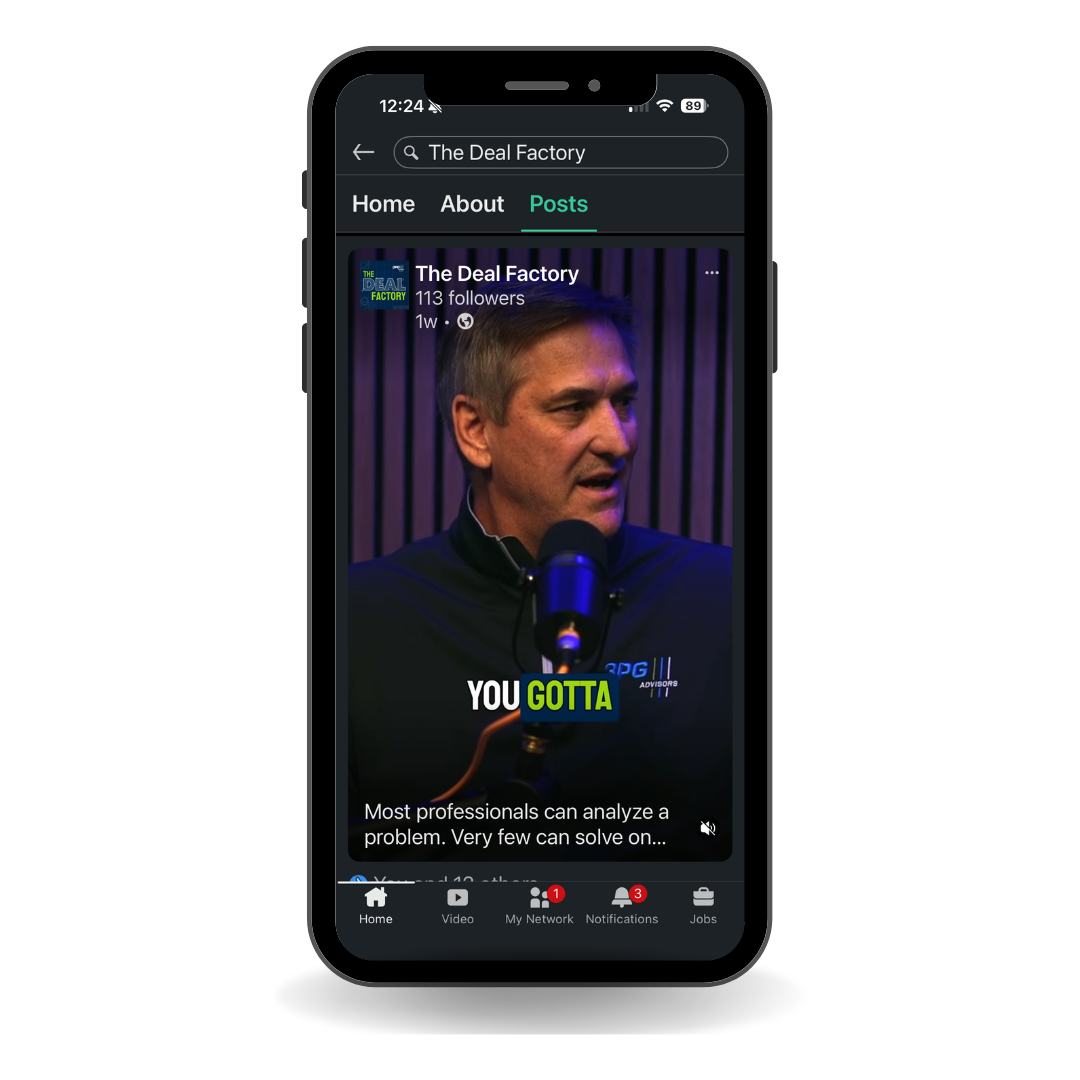
We’ll walk through how to turn one episode into a month (or more) of awareness: clips, cutdowns, quote graphics, carousels, and a real distribution plan. This way, the right people actually see the show you worked so hard to produce.
If you’re considering a podcast in the green industry, we invite you to learn more about our podcast production and promotion services, see examples of our work, and see our open slots in the Landscape Leadership® Podcast Network.