


Think about the last prospect who told you, "No".
Maybe they chose a cheaper competitor. Maybe they decided to stay with their current landscaping or lawn care provider. Perhaps they liked your company but weren't ready to make a change.
What happened next?
If you're like many landscaping salespeople I've known over the years, you probably moved on to the next opportunity. I've certainly been guilty of that myself.
You invested time meeting with that prospect, walking their property, understanding their needs, and preparing a proposal. When they chose someone else, the relationship effectively ended.
What if some of your best future clients are the ones who have already turned you down, possibly more than once?
I recently explored this topic with Chris Psencik of McFarlin Stanford on the Landscape Leadership® Podcast. Chris spent years in leadership roles in the landscaping industry, including helping grow a company from $4 million to $32 million in revenue. Today, he helps landscape companies improve their operations, sales, and overall business performance.
One thing that caught my attention was Chris's willingness to pursue certain prospects for three, four, even five years before winning their business.
His approach offers some valuable lessons for landscaping, lawn care, and tree service companies looking to get more out of the sales opportunities they've already worked so hard to create.
Image Source: Level Green Landscaping
A Lost Sale Doesn't Have to Mean a Lost Relationship
One of Chris's guiding principles is simple:
"No, it may be a no for now, but it's not a no for forever."
Consider how much effort and expense go into generating a qualified sales opportunity. Your marketing attracted the prospect. Someone answered their call, qualified their needs, met with them, and invested time preparing an estimate or proposal.
You've already done much of the hard work.
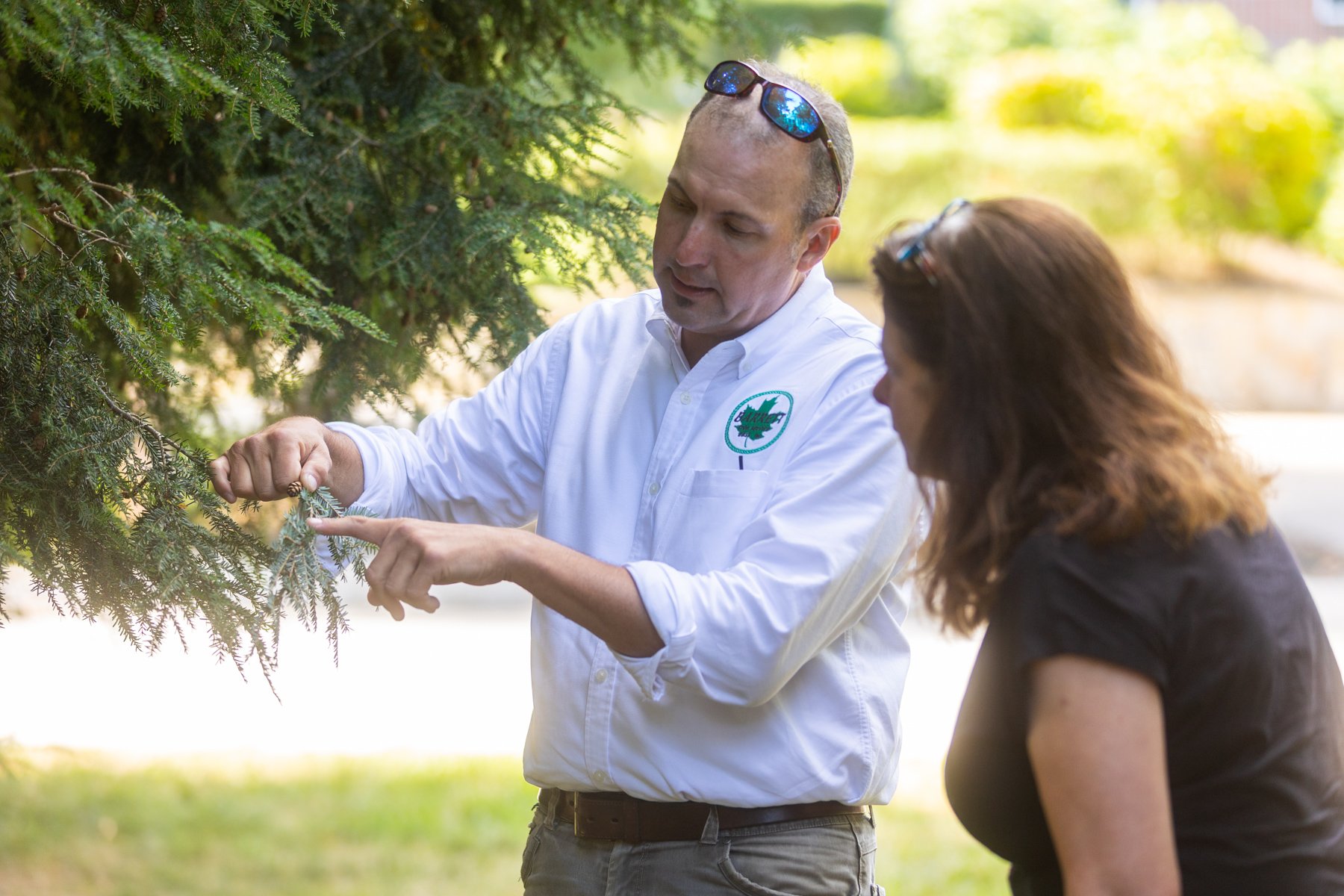
Image Source: Barrett Tree Service East
Chris believes abandoning that relationship after one unsuccessful proposal can mean walking away from a valuable future opportunity.
Of course, you can't invest the same amount of time in every lost prospect. Some are a poor fit, and others may never become profitable customers.
The key is identifying the prospects you genuinely want to work with and developing a strategy to remain relevant to them over time.
Learn More From the Sales You Lose
Chris argues that lost opportunities can teach you more than the ones you win.
A sale might close because you submitted the lowest bid, responded faster, or happened to be the only company that provided a proposal. Winning doesn't necessarily tell you what you did particularly well.
Losing can reveal where your sales process, pricing, or presentation needs improvement.
Image Source: KD Landscape
Chris recommends going back to decision-makers and asking for honest feedback.
-
Was there a particular line item where your pricing wasn't competitive?
-
Did your competitor propose something different?
-
Were there concerns about your company's experience or capabilities?
He shared an example of discovering that his irrigation pricing was consistently high because his company subcontracted that work while competitors performed it themselves.
Without those conversations, he might never have understood why certain proposals weren't competitive.
There is another benefit to asking for feedback. You're demonstrating that you care about understanding the prospect's needs, not simply winning their business.
That can become the beginning of a stronger relationship, even when you don't win the immediate opportunity.
Stay in Touch Without Becoming an Annoyance
Here's where many salespeople struggle.
They understand the importance of following up, but their approach consists of periodic emails or phone calls asking whether the prospect is ready to reconsider.
Chris was pretty direct about this. Nobody wants to repeatedly hear someone say, "I'm just following up."
I agree.

Image Source: Alan Horticulture
Reaching out simply because you want another opportunity doesn't give the prospect much reason to engage with you.
Instead, consider how you can make those interactions meaningful.
Chris shared that some of his strongest relationships developed through conversations that had little to do with business. College football, family activities, and other shared interests created natural opportunities to stay connected.
That works particularly well when you've developed a personal relationship with a property manager, landscape architect, or commercial client.
Of course, you won't have that kind of relationship with every prospect. That's where sharing useful information can help.
For example, you might send:
-
An article about a common issue
-
A seasonal property checklist
-
An interactive tool that helps them fairly evaluate proposals or contractors
-
Relevant customer success stories
The point is to give prospects a reason to appreciate hearing from you, even when they're not ready to buy.
Become a Resource Before You Become Their Contractor
Chris shared a particularly good example of how he developed a relationship with a prominent landscape architect in North Texas.
The architect was nationally recognized and had little reason to spend time with a young salesperson submitting proposals.
Rather than continually trying to get in front of the decision-maker, Chris began building relationships with the people supporting him.
He offered lunch-and-learns for junior landscape architects and designers. He helped them understand products, construction methods, and project budgets.
His goal was to help those employees become more knowledgeable and successful in their own jobs.
Over time, the architect began noticing that his team was receiving consistently helpful information and accurate budgets from the same person.
Eventually, Chris earned an introduction.

Image Source: Groundscapes
What I particularly like about this story is that Chris wasn't trying to demonstrate how smart he was. He was helping other people become more successful.
That distinction matters.
-
If you sell commercial landscape maintenance, perhaps you can help an assistant property manager better understand irrigation issues or prepare for a landscape budget meeting.
-
If you sell design-build projects, you could help a prospective client understand the planning and budgeting process before they're ready to hire a contractor.
When you consistently help people make better decisions, you give them a reason to trust you.
Let Your Existing Customers Help Build That Trust
Our conversation also turned to residential sales and how these principles apply when you're trying to reach homeowners.
Chris had recently hired an arborist to remove a tree from his property. He noticed that many neighboring properties had large trees that could also benefit from professional care.
Image Source: Hughes Tree Service
Rather than simply being another satisfied customer, Chris encouraged the arborist to leverage the relationship and ask for introductions.
That conversation helped generate two additional tree care jobs.
There's a valuable marketing lesson here.
Your satisfied customers can often communicate your value more convincingly than you can.
I've long encouraged landscaping companies to use customer stories, testimonials, and videos to demonstrate their expertise. When prospective customers see people like themselves describing a positive experience, it can build trust in a way that company-centered marketing struggles to achieve.
This matters especially when you're trying to stay connected with prospects who previously rejected your proposal.
Imagine sharing a short video of an HOA property manager explaining how your team improved communication, reduced resident complaints, and helped simplify property management.
That's far more compelling than another email asking whether their maintenance contract is coming up for renewal.
Sometimes Prospects Need to Experience a Different Provider
Chris used an analogy I really liked during our discussion.
"Sometimes prospects need to touch the stove before they realize it's hot."
They may choose a lower-priced competitor believing they're getting essentially the same service for less money.
Over time, they might discover that crews don't arrive when expected, communication is inconsistent, or quality problems aren't being addressed.
Their expectations can change through experience.
Image Source: Salt & Soil Garden Co.
Chris shared an example of a landscape company in South Texas that has repeatedly won back customers after competing providers failed to deliver the experience those customers expected.
The important lesson isn't to hope your competitors fail.
It's to recognize that a prospect's reasons for choosing someone else today may be very different from their priorities a year or two from now.
If you've maintained a positive relationship, you may be one of the first companies they contact when they're ready for a change.
Don't Trash Your Competitors When That Opportunity Comes
I presented Chris with a hypothetical situation involving an HOA manager who was frustrated with their current landscape maintenance provider.
The manager complained about missed schedules, poor cleanup, and resident complaints.
How should a salesperson respond?
Chris emphasized empathy rather than criticizing the competition.
He would acknowledge the frustrations, then explain how his company trains employees, communicates with customers, manages quality, and addresses problems when they arise.
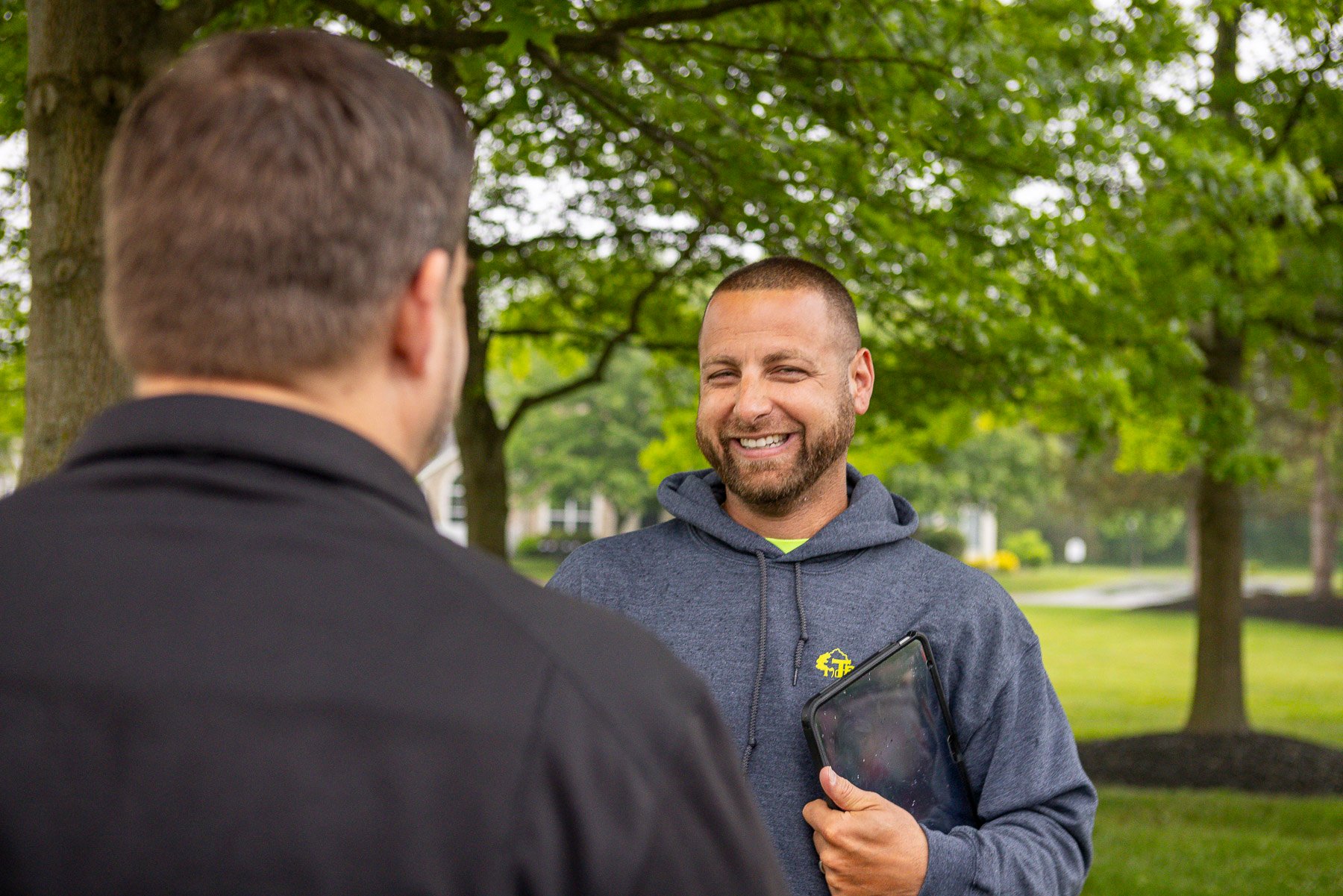
Image Source: Trimline Landscape Management
Importantly, he wouldn't promise perfection.
Weather delays happen. Plants die. Employees make mistakes. What matters is how your company responds when something goes wrong.
Chris shared a memorable story about a crew accidentally launching a fence post onto an expensive tile roof during a landscape project.
Rather than hiding the mistake or making excuses, he proactively contacted the homeowner, documented the damage, committed to repairing it, and used the experience to improve his team's processes.
The customer was understandably upset, but the company's response ultimately strengthened the relationship.
I've always believed that showing prospects how you handle problems is more credible than promising they'll never experience any.
That kind of transparency can be a powerful differentiator when someone is reconsidering their service provider.
Your Marketing Should Support Your Long-Term Sales Process
One of my biggest frustrations in working with landscaping companies is seeing useful marketing content go largely unused by their sales teams.
A company invests in customer testimonial videos, case studies, educational articles, and other valuable resources. Those assets get published on the website or social media, but salespeople rarely incorporate them into their conversations.
That's a missed opportunity.
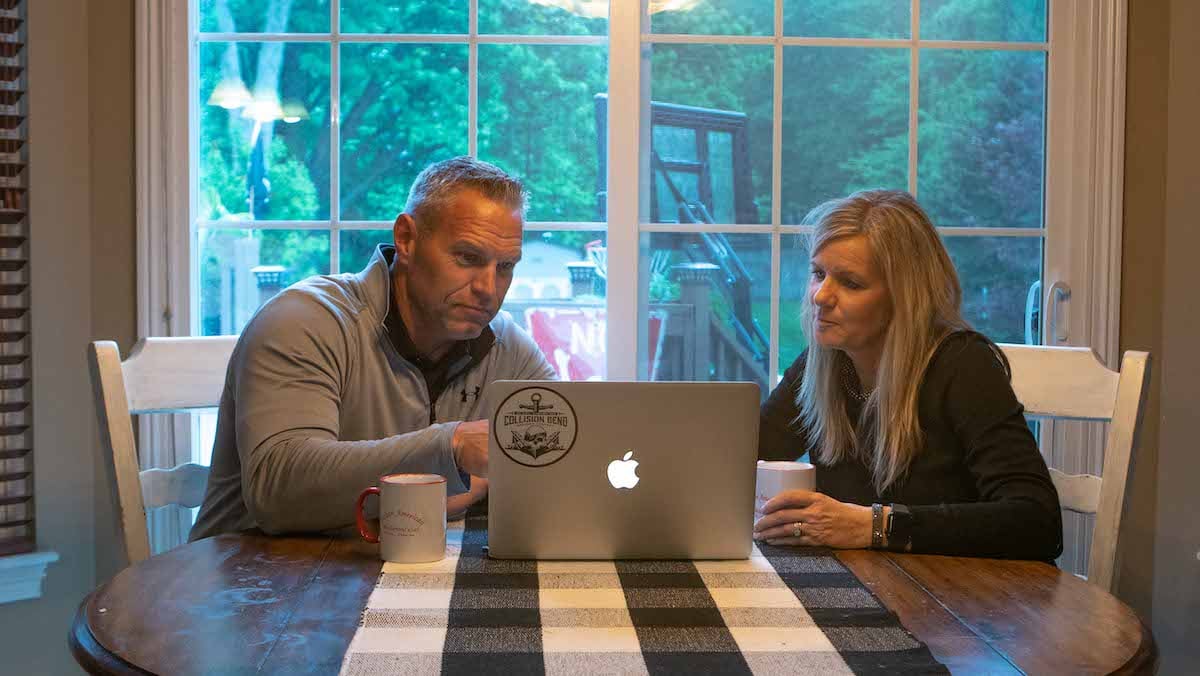
Image Source: Turf Pride Lawn Care
Chris described marketing as a resource that continues working on your behalf when you're not meeting with prospects, preparing proposals, or making phone calls.
He's right.
I would take that a step further. Your salespeople should be intentionally using those resources throughout the sales process, including after an opportunity has been lost.
-
A customer case study can provide a natural reason to reconnect with a commercial property manager.
-
An educational article can help a homeowner better understand how to choose a solution specific for their property.
-
A video introducing your production team can help a prospective customer understand who would actually be caring for their landscape.
Instead of another generic follow-up, you're offering something useful.
You don't need to create an entirely new collection of marketing assets to make this happen. Start by looking at what you already have and identifying opportunities to put those resources into your sales team's hands.
Put a Long-Term Follow-Up Process in Place
If you want to turn more lost opportunities into future customers, you need a process that doesn't depend entirely on a salesperson's memory.
Start by reviewing the proposals you've lost over the past year.
Identify prospects who still fit your ideal customer profile, particularly those with substantial recurring revenue potential or opportunities for future projects.
Make sure you understand why those opportunities were lost and document what you learned.
Then develop a realistic plan for staying connected.
For some prospects, that might mean periodic personal conversations. For others, it could include relevant educational emails, invitations to events, customer success stories, or updates about your company's capabilities.
Your CRM should help your sales team remember these relationships and identify when it's appropriate to reconnect.

Image Source: Outback Landscape
Sales leaders should also review these longer-term opportunities with their teams. Don't focus exclusively on new leads and proposals expected to close this month.
Ask what relationships are being developed for next year and beyond.
You can begin with a relatively small group of high-value prospects and expand the process once you've established what works.
Your Next Great Customer May Already Know You
Generating new leads is important. Your company needs a consistent flow of new opportunities to grow.
However, it's worth considering how many potential customers you've already invested time and money attracting, meeting, and preparing proposals for, only to never speak with them again.
Some of those relationships may still have tremendous potential.
Chris's approach is a good reminder that successful salespeople aren't simply persistent. They're patient, curious, helpful, and intentional about building relationships.
They understand that winning someone's trust can take longer than winning a single proposal.
Perhaps your next great customer isn't another new lead.
Maybe it's someone who already knows your company and just hasn't had the right reason to choose you yet.
Do you love insightful conversations like these? Consider joining 5,000+ of your green industry peers and subscribe to our blog. And, if you're ready for a comprehensive marketing strategy that includes assets your sales team can use to re-engage past prospects, reach out to request a consultation.