

You needed a salesperson for your landscaping, lawn care, or tree service company.
You found someone with green industry experience. They interviewed well. Everyone liked them. They seemed to check all the boxes.
Six months later, they're gone. Or you're wondering whether you made the wrong hire.
I've seen this scenario play out plenty of times. And it's easy to conclude that the problem was the person.
But what if it wasn't?
What if the bigger problem was what happened after you hired them?
That's the conversation I recently had with Kayla Lujan, founder of GRIT (Green Industry Talent). Kayla has spent nearly two decades in the green industry, including years as an individual salesperson and sales leader before launching GRIT, where she now helps companies with sales placement, coaching, training, and fractional sales leadership.
Our conversation reinforced something I've believed for a long time: finding talented people matters, but expecting talented people to simply "figure it out" is not a sales development strategy.
Ride-Alongs Aren't an Onboarding Program
I've seen plenty of onboarding programs that basically look like this:
-
Ride with Bob this week.
-
Ride with Susan next week.
-
Learn the estimating software.
-
Meet a few people.
-
Here's your territory.
Good luck.
It feels like training because the new salesperson is busy and surrounded by experienced people.
But there's a huge difference between exposure and intentional training.
Kayla pointed out that ride-alongs can absolutely be valuable. The problem is that companies often don't define what the new salesperson is supposed to learn.
If they're spending a day with an account manager, what should they understand by the end of that day? What questions should they ask? Does the account manager even know what they're supposed to teach them?
That's where a little intentionality can make a huge difference.
The same applies to all the information we throw at new salespeople.
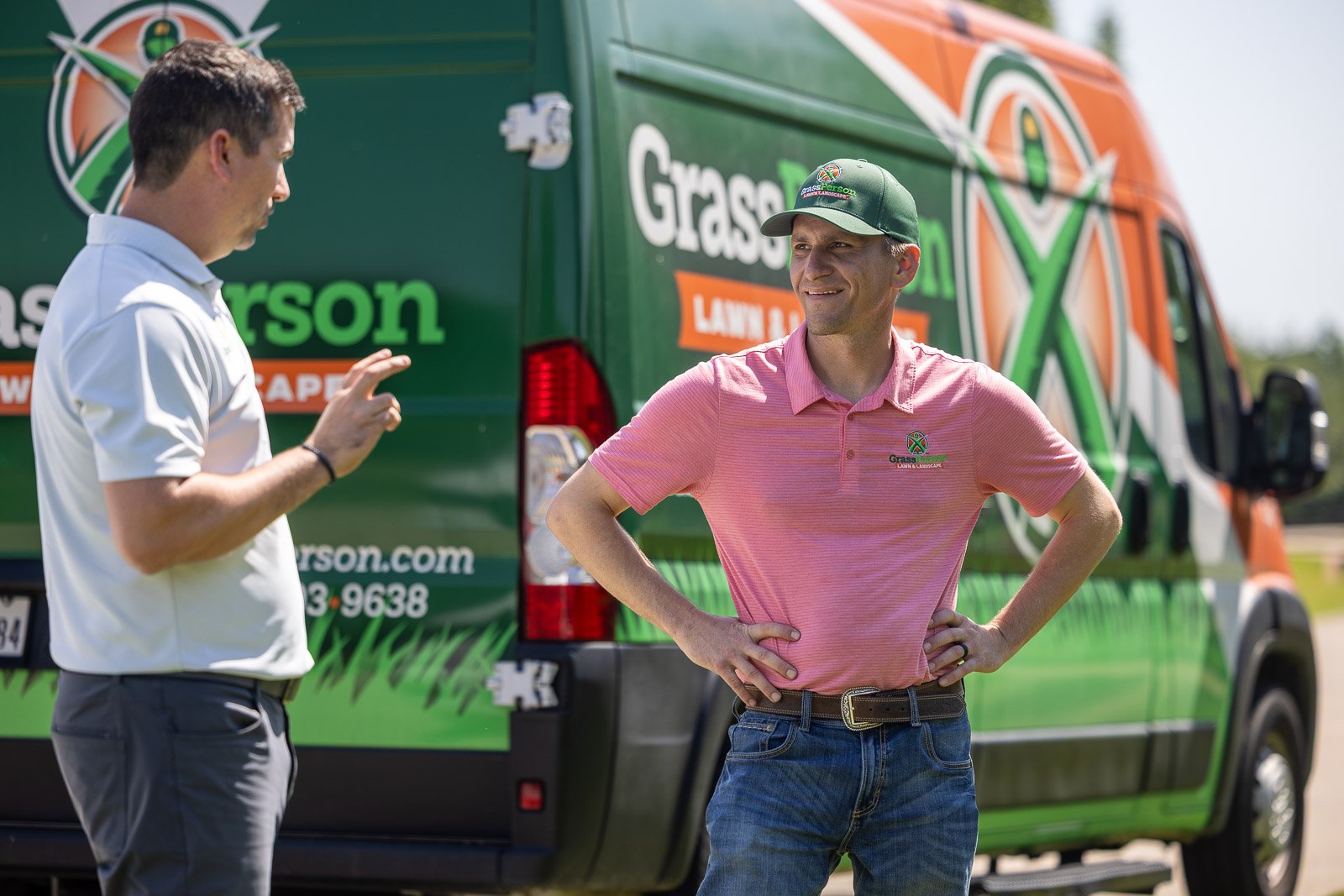
Image Source: Grassperson Lawn & Landscape
They need to understand your services, estimating, operations, customers, CRM, sales process, and a dozen other things. But dumping all of that information on them during their first week isn't necessarily helping them.
As Kayla explained, that knowledge needs to be broken into bite-sized pieces and applied as they progress through their first 30, 60, and 90 days.
Stop Managing Salespeople Only by the Numbers
This was probably one of my favorite parts of our conversation.
Sales leaders love dashboards. How many opportunities are in the pipeline? What's the close rate? How much revenue has been sold? Are we ahead or behind goal?
Those numbers matter. But they're also looking backward.
As Kayla put it, the numbers tell you what has already happened.
Coaching changes what happens next.
That's a big distinction.
A lawn care or landscaping salesperson could be hitting their goal and still have enormous opportunities to improve. Maybe they could ask better questions. Maybe they're not establishing rapport quickly enough. Maybe they're talking too much during sales appointments. Maybe their follow-up is inconsistent.
Image Source: Trimline Landscape Management
Improving one small part of the sales process might make that salesperson 10% better.
But you won't discover those opportunities by staring at a CRM dashboard.
You have to spend time with your people.
Kayla recommends sales leaders regularly get into the field with their salespeople, not sitting in the passenger seat answering emails, but actually being present.
Watch them interact with prospects. Listen. Ask questions. Debrief afterward.
That's coaching.
Great Sales Coaching Starts With Relationships
Something else Kayla said really resonated with me: you have to know your people.
Not just their sales numbers. Them.
When she managed salespeople, Kayla kept notes about the things that mattered to each person: their family, interests, important dates, favorite restaurants, and other details she learned by actually getting to know them.
That might sound unrelated to sales performance. I think it's the opposite.
We teach salespeople that rapport and trust have to exist before you can compel a prospect to take action. Why would managing people be any different?
When someone believes their manager genuinely cares about them and has their back, coaching feels different.
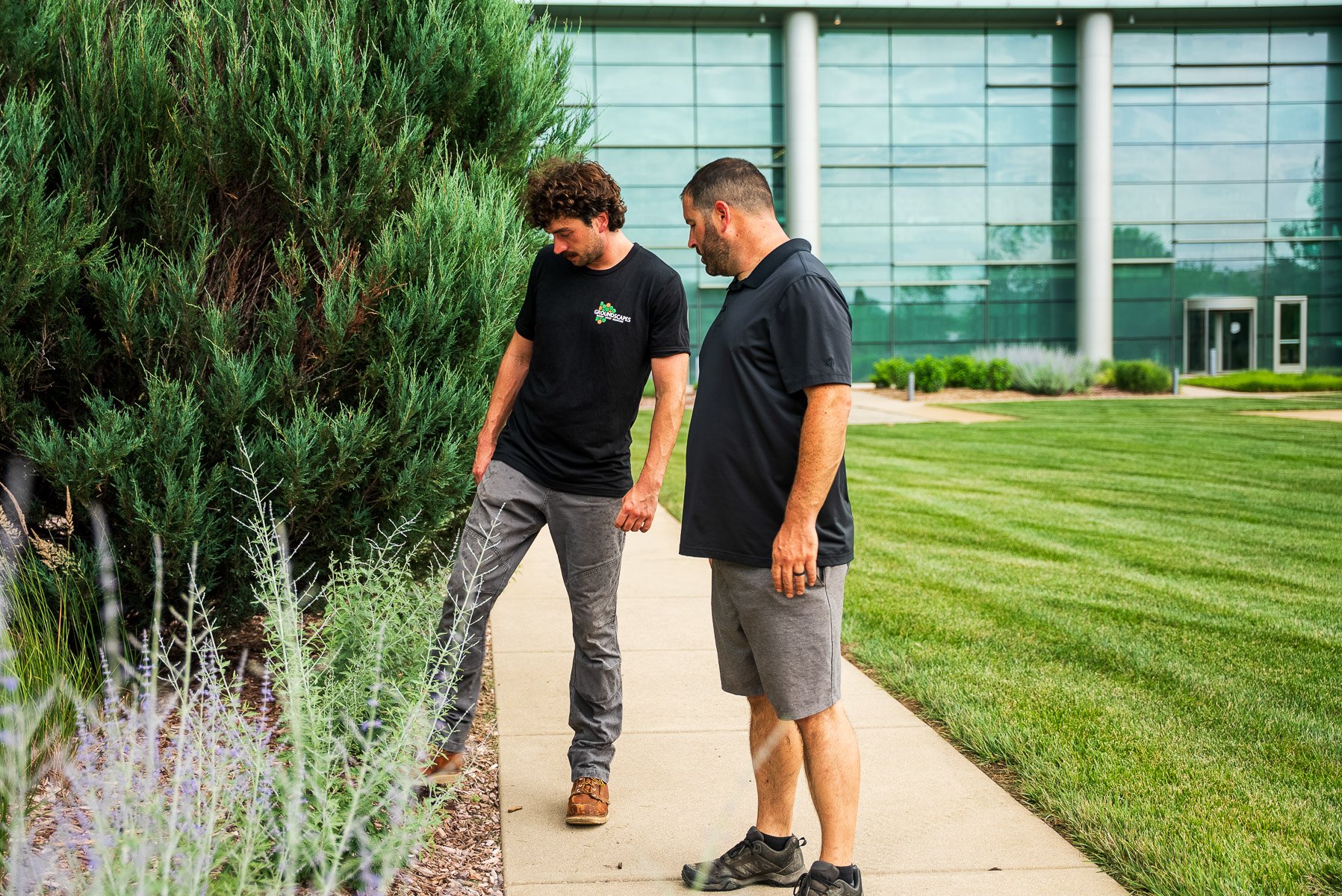
Image Source: Groundscapes
Feedback is less likely to feel like micromanagement. People are more willing to admit where they're struggling. You can have more productive conversations about what needs to improve.
And that's especially important with a new salesperson who is trying to figure out where they fit.
Set Better Expectations for the First 90 Days
Kayla shared a story about a landscape company owner who was frustrated with a salesperson after only five weeks.
The salesperson had industry experience, so the assumption was that results should already be coming.
There was just one problem. There wasn't really an onboarding process. We can't give someone five weeks of limited direction and then be disappointed that they're not producing like an established salesperson.
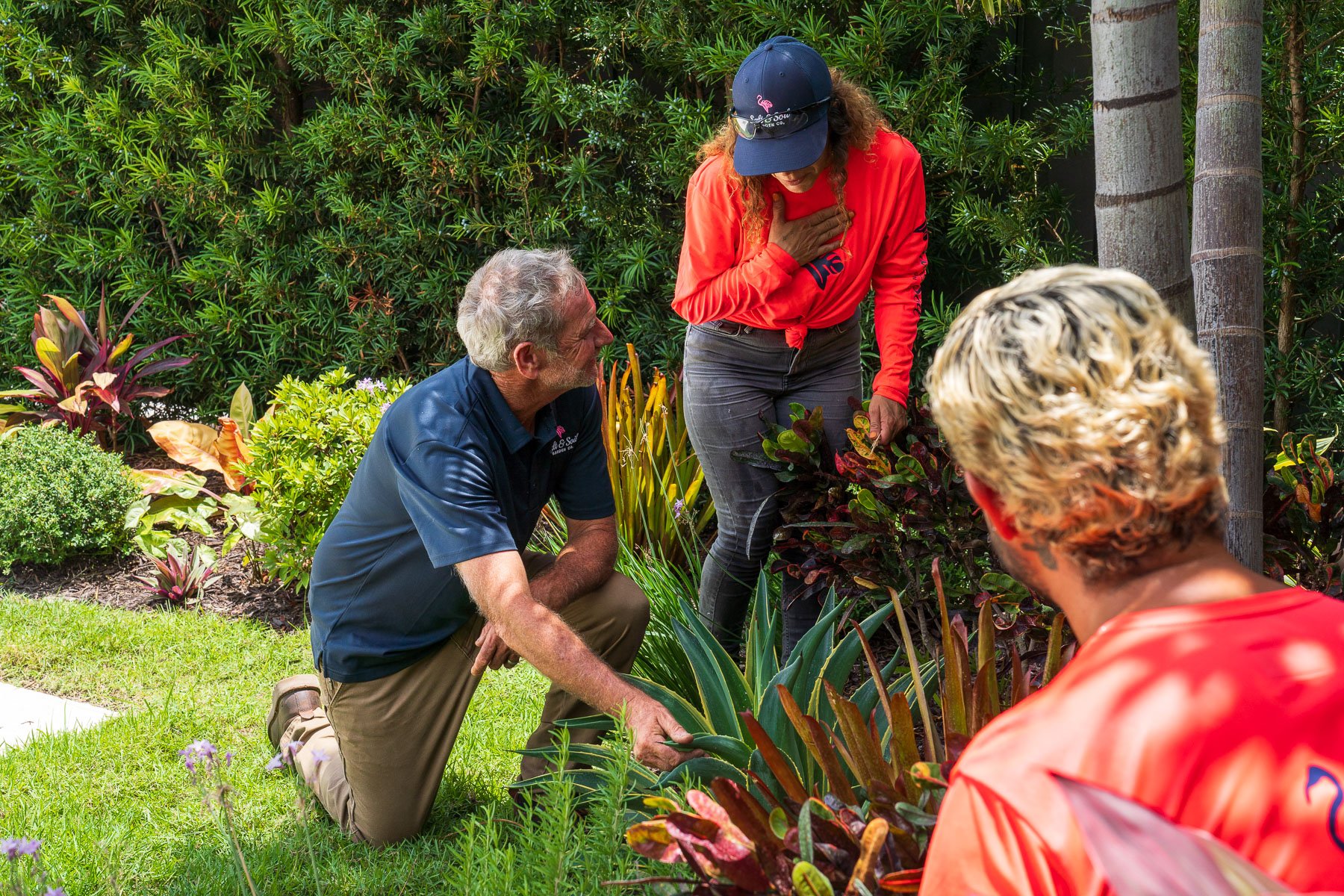
Image Source: Salt & Soil Garden Co.
Kayla suggested thinking differently about the first 90 days.
The First 30 Days
-
Look for curiosity. Are they asking questions? Are they learning how the business actually works?
-
Are they spending time around operations and trying to understand how your company delivers what they'll eventually be selling?
Days 31 to 60
-
You should start seeing eagerness to get into the market.
-
They should want to network, prospect, make calls, and begin building relationships.
By 90 Days
-
You should expect much more independence and a pipeline that reflects the activity they've generated over the previous two months.
Those behaviors give you much more useful information than simply asking, "How much have they sold?"
Hire for Traits, Not Just Green Industry Experience
This is another area where Kayla's thinking has changed over the years and mine has too.
Green industry experience is attractive. It feels safer. But industry experience doesn't automatically make someone a great salesperson.
There's less technical knowledge to teach. They know the terminology. They understand how landscape companies operate.
Image Source: Level Green Landscaping
Kayla now puts much more weight on traits like:
-
Curiosity
-
Resilience
-
Coachability
-
Attitude
-
Self-motivation
I think that's worth paying attention to.
Technical knowledge can be taught. Your estimating process can be taught. Someone can learn plants, irrigation, lawn care, tree care, or whatever service they're selling.
It's much harder to teach someone to be curious. It's hard to coach someone who doesn't want to be coached. And it's incredibly difficult to overcome an attitude that says every missed goal is somebody else's fault.
That doesn't mean experience isn't valuable. It means it shouldn't become the shortcut we use to avoid evaluating whether someone actually possesses the traits necessary to become a great salesperson.
You Can't Hire Your Way Out of a Development Problem
Toward the end of our conversation, I asked Kayla for one hill she'd be willing to die on when it comes to green industry sales.
Her answer was simple:
"You can't hire your way out of a people development problem."
I think that's the big takeaway. Recruiting great people is important. But the best lawn care, tree service, and landscape companies aren't going to build exceptional sales teams simply by becoming better recruiters. They have to become better developers of people.
Image Source: Seacoast Tree Care
That means:
-
Creating intentional onboarding instead of handing someone a laptop and a ride-along schedule
-
Setting realistic expectations for the first 90 days
-
Coaching behaviors instead of only reviewing numbers.
-
Spending time in the field with them
-
Building relationships strong enough that people actually want your coaching
So, if your last sales hire didn't work out, it's certainly possible you hired the wrong person.
But before you post that job opening again, I'd ask another question:
"Did we give that person everything they needed to succeed?"
The answer might change how you approach your next hire and every salesperson already on your team.
Build Better Green Industry Salespeople, Not Just a Bigger Sales Team
If there's one thing I hope you take away from my conversation with Kayla, it's this: hiring the right salesperson is only the beginning.
If you'd like help finding, onboarding, coaching, or developing salespeople, check out GRIT (Green Industry Talent). Kayla works specifically with green industry companies through sales talent placement, sales coaching and training, and fractional sales leadership.
And if you enjoyed this conversation, subscribe to the Landscape Leadership® Podcast wherever you listen to podcasts. And if you're ready to improve your marketing to supply great leads for your sales team, feel free to request a consultation with us.
Here's to building a stronger sales team and becoming a leader in your marketplace.