


You want your green industry website content to do more than generate visits. It should help potential customers understand why they should trust your company over another one.
The problem?
Much of the content in the lawn, landscape, and tree care industries still sounds interchangeable.
Your company may have decades of experience, certified professionals, and people who know the work inside and out, yet very little of that knowledge may actually be making its way onto your website.
That makes it harder to differentiate your brand, build trust with potential customers, or give search engines and AI systems meaningful information about what your team actually knows.
So how do you win at this game? Expert-led content.
Companies that want their content to stand apart are going further than adding credentials, expert quotes, or a quick subject-matter review. They are making firsthand knowledge part of the content itself.

Image Source: Kingstowne Lawn & Landscape
Experienced technicians, arborists, designers, account managers, and other subject-matter experts are explaining their reasoning, exceptions, firsthand observations, local insight, and details that generic research doesn’t uncover.
An Expert Quote Is Not the Same as Expert-Led Content
You can put a certified arborist’s name underneath a quote that says:
“Proper pruning is important for tree health.”
The credential is meaningful. However, the information is not particularly useful.
A homeowner still does not know how an arborist decides whether a tree needs pruning, what they are evaluating, when pruning may not be the right approach, or why the advice might change based on the tree’s species, age, condition, structure, and location.
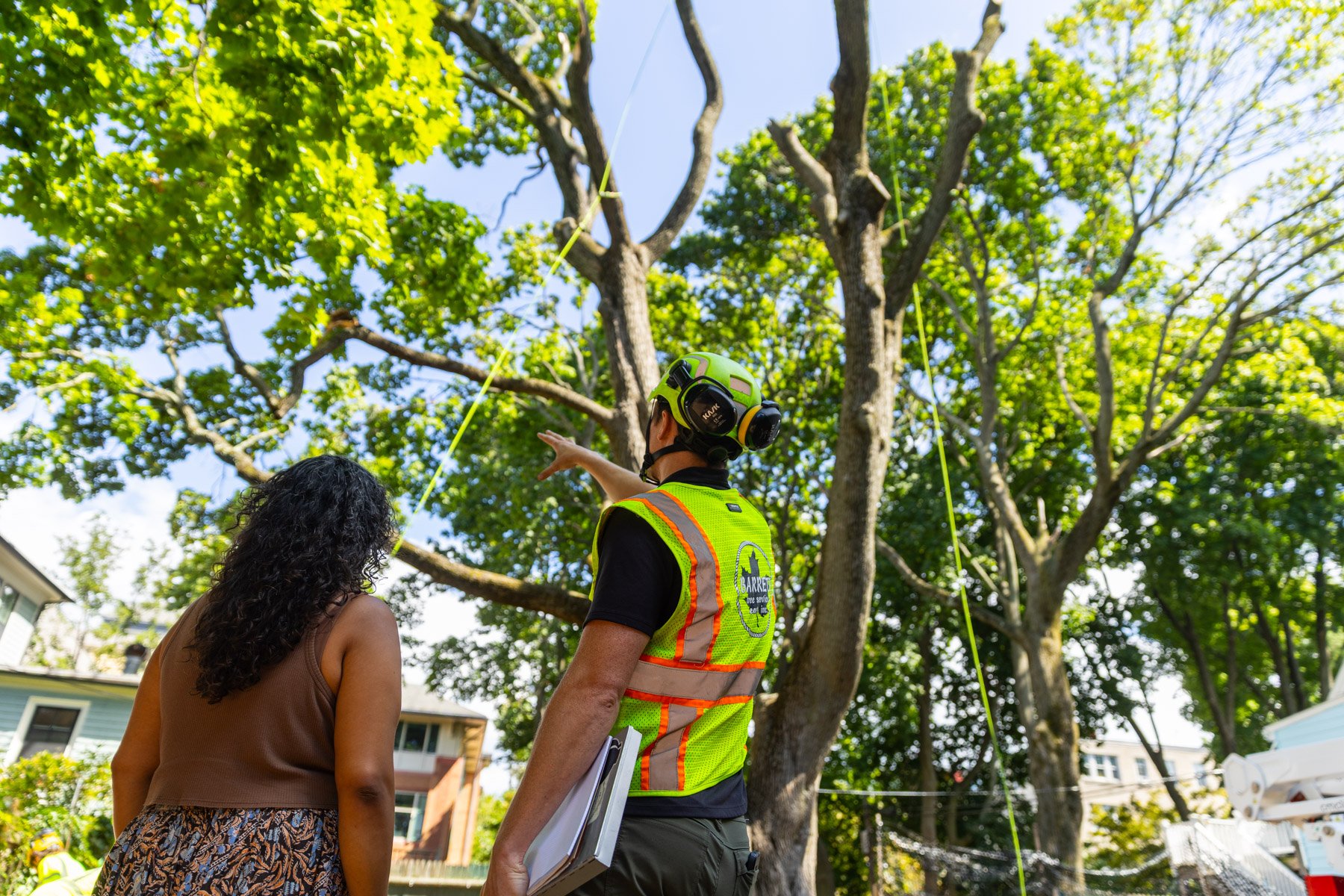
Image Source: Barrett Tree Service
An experienced arborist may:
-
Know that homeowners frequently assume a tree needs to be trimmed when the more important concern is a structural defect.
-
See recurring damage caused by improper pruning or know that an approach that works well for one species would be inappropriate for another.
Those are the details that begin to demonstrate actual expertise.
Credentials and blog author bios still have a role. They help establish who is behind the information and why their perspective is credible. But the expertise should also come through in the content itself.
What Real Expertise Adds to Website Content
Basic information is easy to reproduce. What is harder to replicate is the judgment that comes from diagnosing problems, making recommendations, and seeing the results over time.
Explain the Reasoning Behind the Recommendation
Generic content can tell someone what is commonly recommended.
An experienced professional can explain how they decide whether that recommendation actually makes sense.
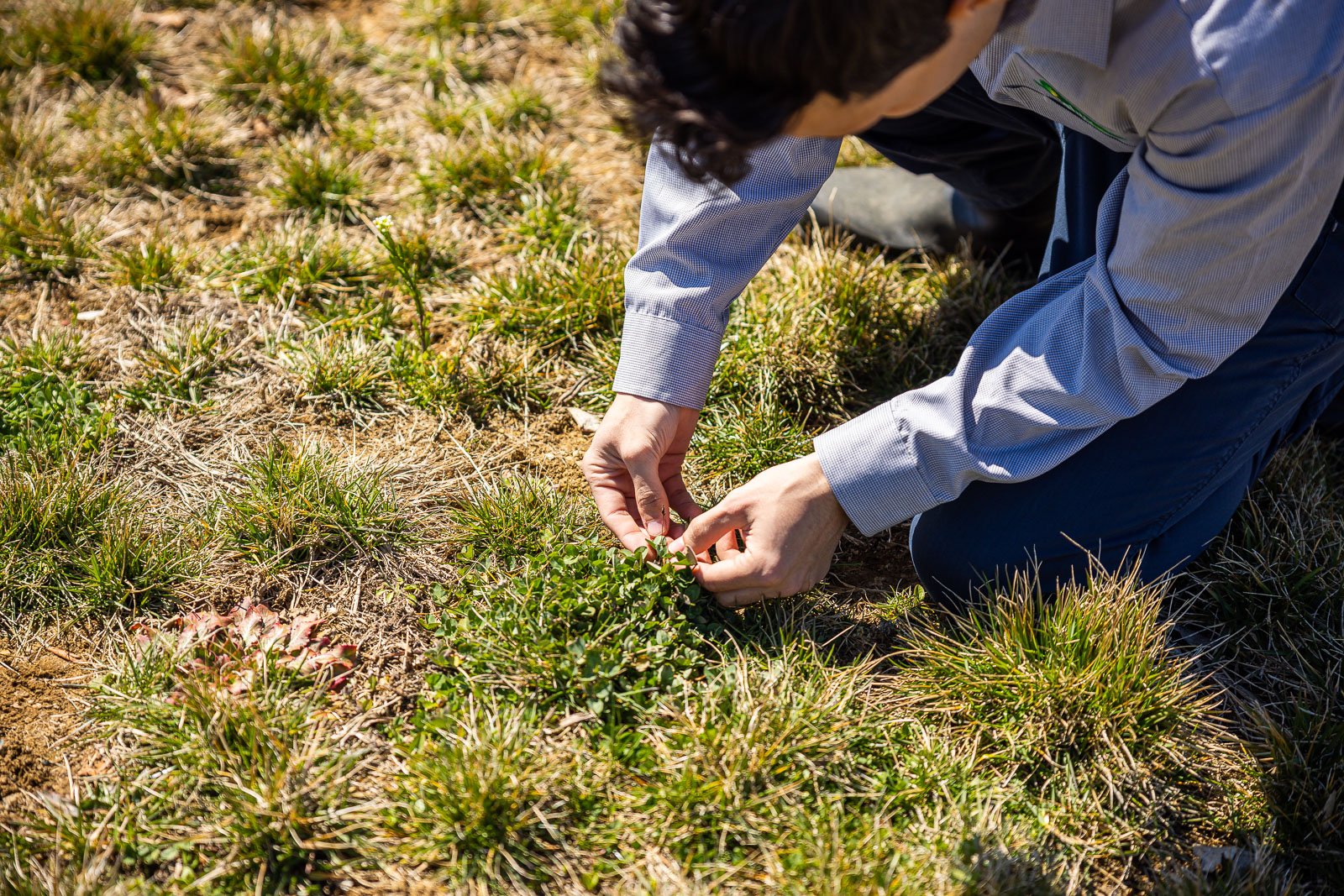
Image Source: Turf Pride Lawn Care
Take a thinning lawn. A homeowner may assume it needs more fertilizer or seed, but a lawn care professional may first look at soil conditions, drainage, irrigation, sunlight, mowing practices, turf density, and signs of disease or insect damage. The right solution depends on what is actually causing the problem.
Including that reasoning helps a homeowner understand why a professional may recommend something different from the solution they expected.
Include Exceptions, Tradeoffs, and Real-World Experience
People who have done the work for years also know where standard advice falls short.
-
A landscape designer may have learned that a plant commonly recommended for the region struggles on properties with poor drainage.
-
An arborist may inspect a declining tree that a homeowner expects to remove and determine that preservation is still a reasonable option.
-
A commercial account manager may know that choosing the lowest-maintenance landscape does not always result in the lowest long-term cost.
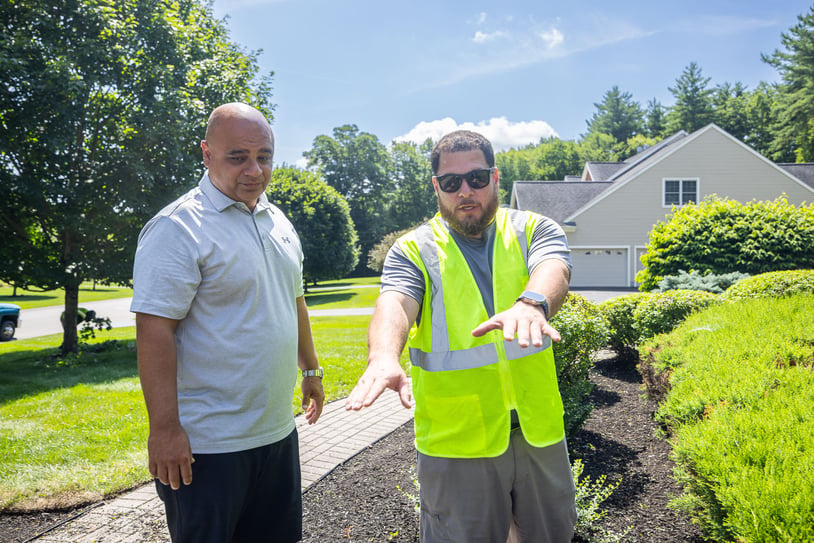
Image Source: Gallivan Corporation
Experience also reveals the mistakes customers make repeatedly, problems crews are often called in to correct, and situations where the obvious solution is not the best one.
Expertise is not simply knowing the standard answer. It is knowing when the answer needs to change and being able to explain why.
Add Local Knowledge That Goes Beyond a City Name
Real local expertise comes through in the advice itself, not just in the city or service area mentioned on the page. Where a customer lives can change the advice that is actually useful to them.
Aeration is a good example. A homeowner searching online may find plenty of articles recommending fall aeration. That can be appropriate for cool-season lawns, but in warmer regions where warm-season grasses are common, aeration is often better timed for active growth in the spring or early summer.
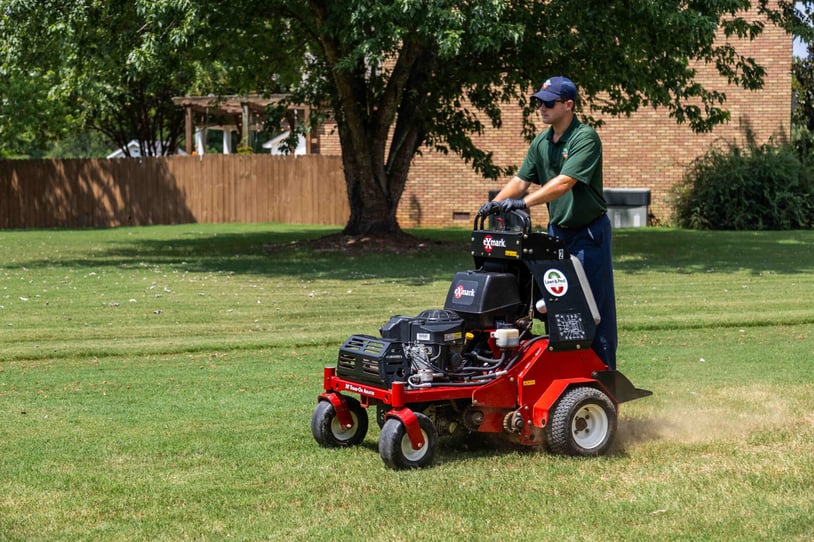
Image Source: Lawn & Pest Solutions
Someone who works with lawns in that area understands which general recommendations apply locally and what conditions may change the answer for a particular property.
The same principle applies across the green industry:
-
A tree care company may see the same pests or diseases show up year after year.
-
A landscaper may learn how local rainfall, winter weather, soil conditions, or irrigation needs affect plant selection and maintenance.
That is very different from saying: “Our landscaping company understands the unique needs of homeowners in [CITY].”
The sentence tells someone where the company works. It does not show what the company knows about working there.
Useful local content explains what matters in that market and how those conditions affect the work or the recommendations customers receive.
How Do You Get This Information Out of Your Experts?
You do not need your arborist or lawn technician to sit down and write a 1,500-word article.

Image Source: Seacoast Tree Care
You need to ask questions that uncover what a writer could not learn through basic online research. Then your writer should ask them these questions to pull out these expertise-driven answers.
If you are creating website content about tree pruning, asking, “Why is pruning important?” will likely produce a broad answer.
Questions like these can reveal much more:
-
What do you evaluate before recommending pruning?
-
What do customers commonly misunderstand about this?
-
What problems do you repeatedly see in the field?
-
What factors are most likely to change your recommendation?
-
Can you think of a recent example where the obvious recommendation was not the right one?
These conversations can also uncover good opportunities for engaging videos. Some topics are especially useful when customers can hear directly from the person who does the work, whether they are explaining a common problem, walking through a recommendation, or sharing an example from the field. That video can then be used on social media, blog articles, service pages, and other website content.
The goal is not to interview someone just to get a quote. It is to understand how they think and uncover the experiences, examples, and observations that come from doing the work.

Image Source: Outback Landscape
Those are often the details that make the content more valuable. A subject-matter expert may remember a problem they have seen repeatedly, an unusual situation that changed their recommendation, or a mistake customers commonly make.
AI can summarize common advice or help organize information, but it cannot supply your team’s firsthand experiences.
Those practical examples show what happens in real situations and why the answer is not always that simple.
Depending on the subject, the best information may come from someone in the field, sales, account management, or operations.
It can also help to involve the subject-matter expert again once the draft is written. Instead of simply asking whether it is accurate, ask whether anything has been oversimplified, whether an important exception is missing, or whether they would actually give that advice to a customer.
Content can be technically correct and still fail to reflect how the company handles the situation in real life.
Expert-Led Content Belongs on More Than Your Blog
Blog articles are an obvious place to use firsthand knowledge, but they are not always where it matters most. Expertise should also show up across the website and in other content your company publishes.
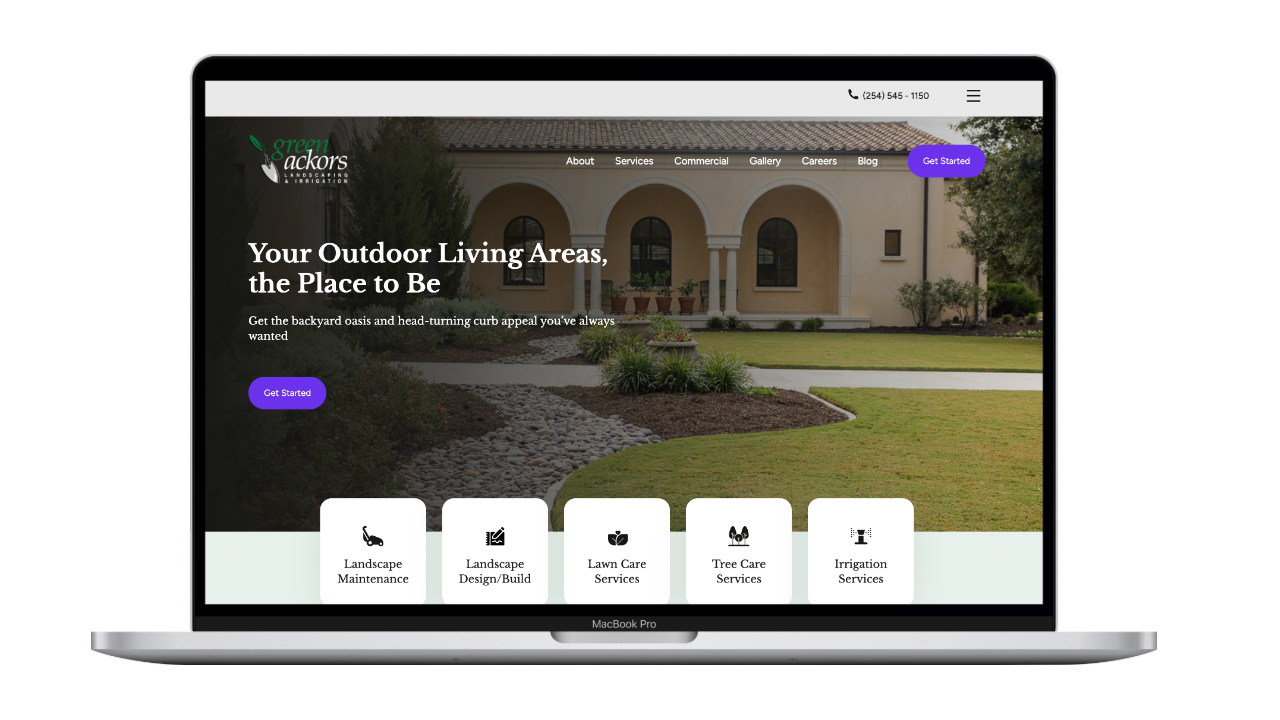
Service Pages
This content can explain how the company evaluates problems, what influences its approach, and what someone should expect from the process. A tree removal page becomes more useful when it explains how an arborist determines whether removal is necessary rather than simply promising “safe, professional tree removal.”
Blog Articles & Guides
These longer format pieces have more room for troubleshooting, comparisons, common misconceptions, and detailed explanations. Useful content should leave someone better prepared to make a decision, not simply better informed about a topic.
Location (City) Pages
Here you can demonstrate familiarity with real local conditions instead of repeating geographic keywords.
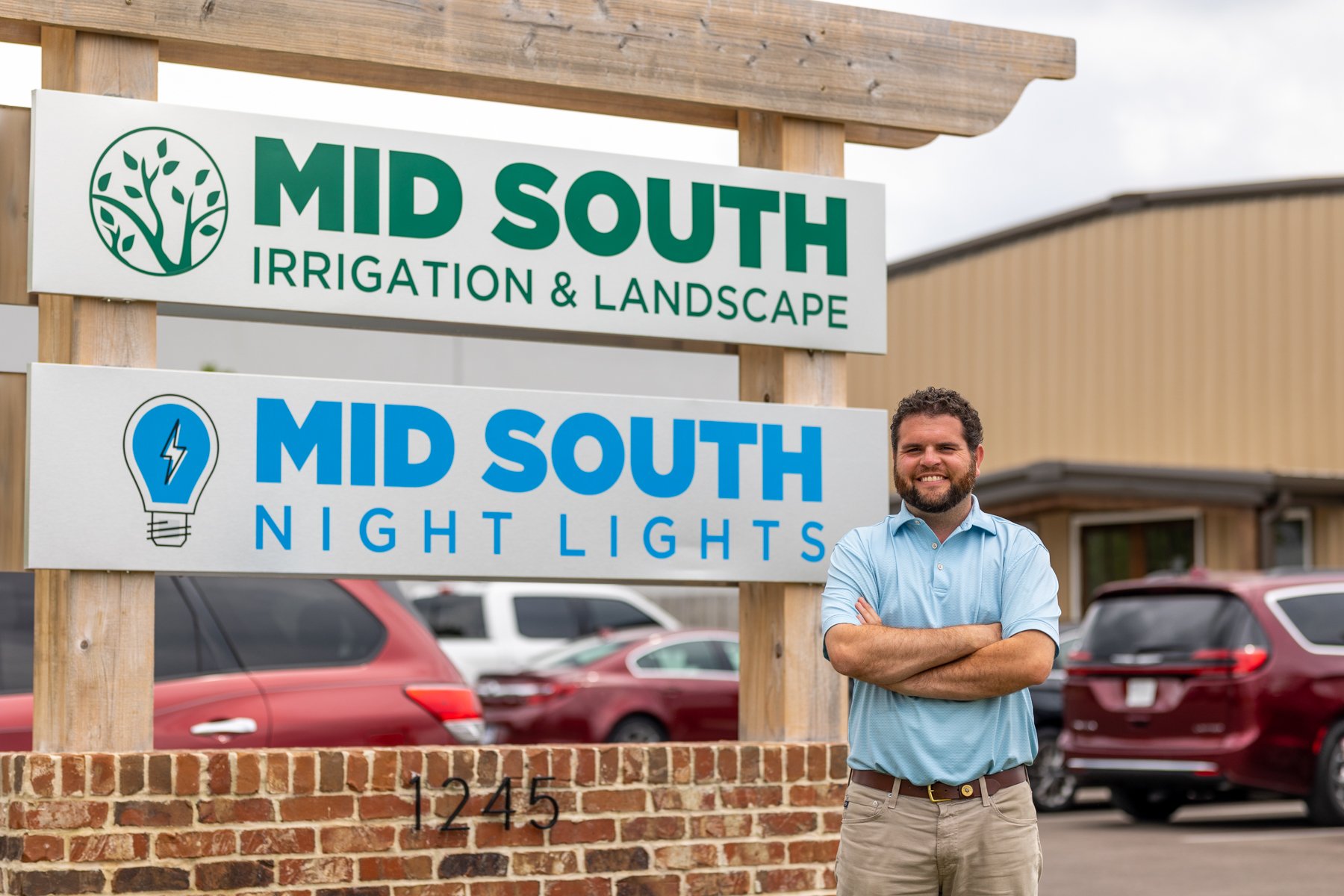
Image Source: Mid-South Irrigation & Landscape
If soil, weather, pest pressure, property types, or seasonal timing affect the service, explain how.
FAQs
These answer the questions customers actually ask. If the truthful answer is “it depends,” explain what it depends on instead of forcing a simple yes-or-no response.
Video Content
Here, potential customers get a chance to hear directly from the people who do the work.
A technician, arborist, designer, or account manager can explain a problem, walk through a recommendation, or share a real example in their own words. Those videos can be distributed on social media and embedded on service pages, blog articles, or other website content to add depth to the written information.
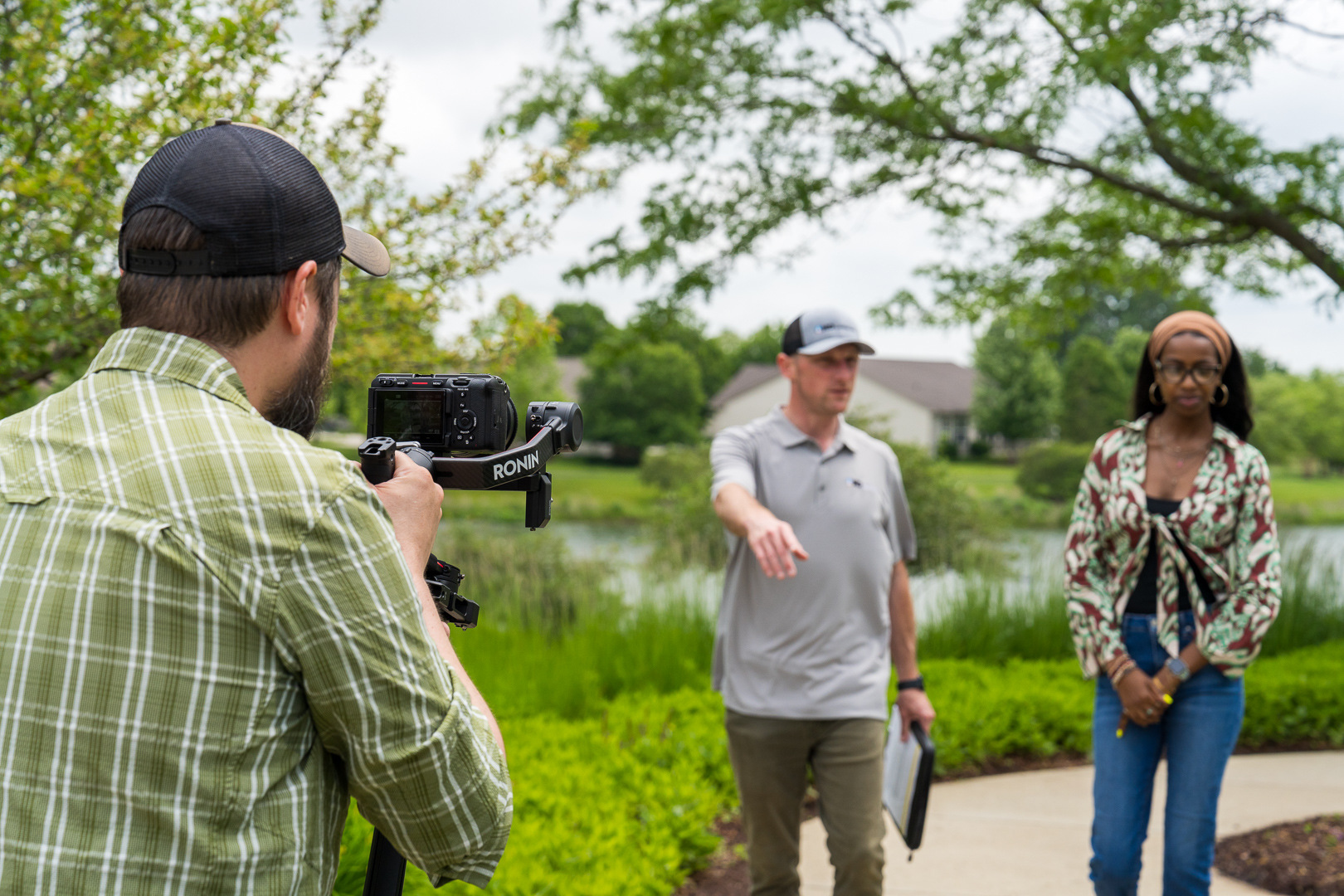
Image Source: KD Landscape
Someone may first discover your company through a blog post, video, or social media. Your website is often where they decide whether they trust your company enough to make contact. The quality and depth of the information should be consistent wherever they encounter your expertise.
How Expert-Led Content Supports SEO and AI Search
Generic claims like “We provide customized solutions and exceptional service” say very little about what your company actually knows.
Content that explains the problems your team solves, what professionals evaluate, which factors influence their decisions, and what they have learned through experience provides much more context.

Image Source: Lawn Buddies
Google has been clear that firsthand experience and original information can make content more useful.
Its newer guidance for AI search makes a related point: companies should contribute information based on what they actually know and have experienced, rather than publishing another version of information that is already widely available online.
That does not make expert involvement a shortcut to better rankings or AI visibility. Google still emphasizes the same foundational SEO practices for AI-powered search rather than a separate set of “AEO” or “GEO” tactics.
[Related Reading: Want AI to Recommend Your Lawn Care or Landscaping Company? Do These 10 Things]
A lawn care service page that explains how a technician evaluates why a lawn is thinning or browning before recommending treatment says more than one that repeatedly describes the company as providing “expert lawn care.”
A commercial landscaping page that explains how decisions change based on property use, irrigation, plant material, budget, and long-term goals demonstrates more than a promise of “customized solutions.”
That detail also helps customers.
A homeowner may better understand why professional advice differs from something they found online, while a property manager can see why two contractors are proposing different approaches.
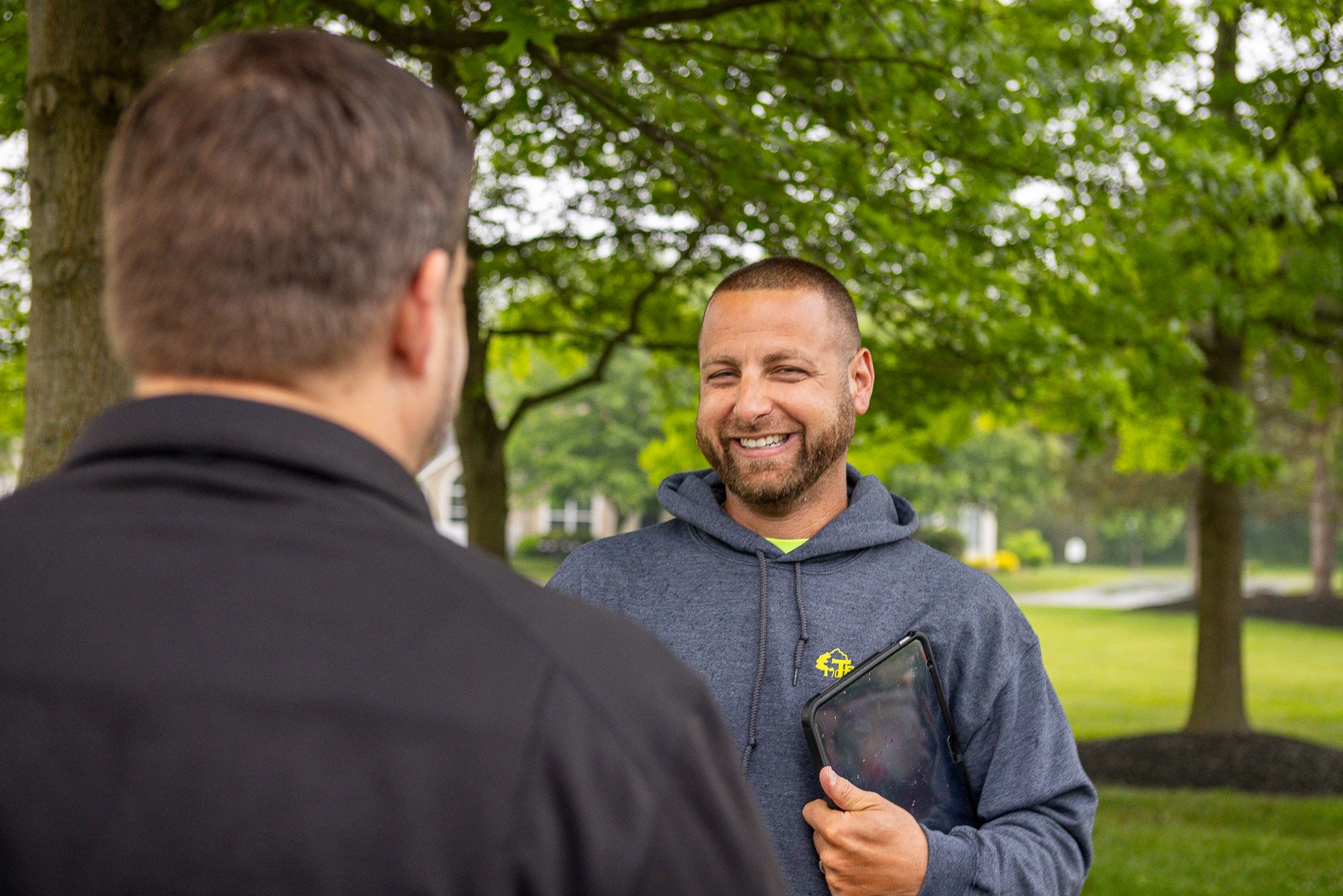
Image Source: Trimline Landscape Management
Getting the right people to your website matters. The content also needs to give them a reason to trust what they find when they arrive.
Does the Content Actually Reflect Your Expertise?
There is a simple way to evaluate whether content is truly expert-led.
Remove the expert’s name, company name, credentials, and quotes.
Could one of your competitors publish essentially the same article? If the answer is yes, the expert may be visible in the content without having much influence on it.
A genuinely expert-led page will usually contain some combination of professional judgment, reasoning, exceptions, firsthand observations, specific examples, local knowledge, and meaningful decision factors.
Not every page needs all of them. There should simply be evidence that real experience changed what was written.
Creating strong website content takes more than access to a writer or an AI tool. It requires a marketing process that can recognize useful information, ask the right follow-up questions, and turn what your experts know into content that is clear and genuinely helpful.

At Landscape Leadership®, part of our job is helping green industry companies uncover that knowledge and turn it into content that is useful to potential customers and supports the larger marketing strategy.
And if you'd like more practical insight on green industry marketing, SEO, content strategy, and AI search, join 5,000+ green industry professionals who subscribe to the Landscape Leadership® blog.
If you'd like to talk through how your comprehensive marketing strategy could do a better job of demonstrating what your company actually knows, feel free to request a consultation.